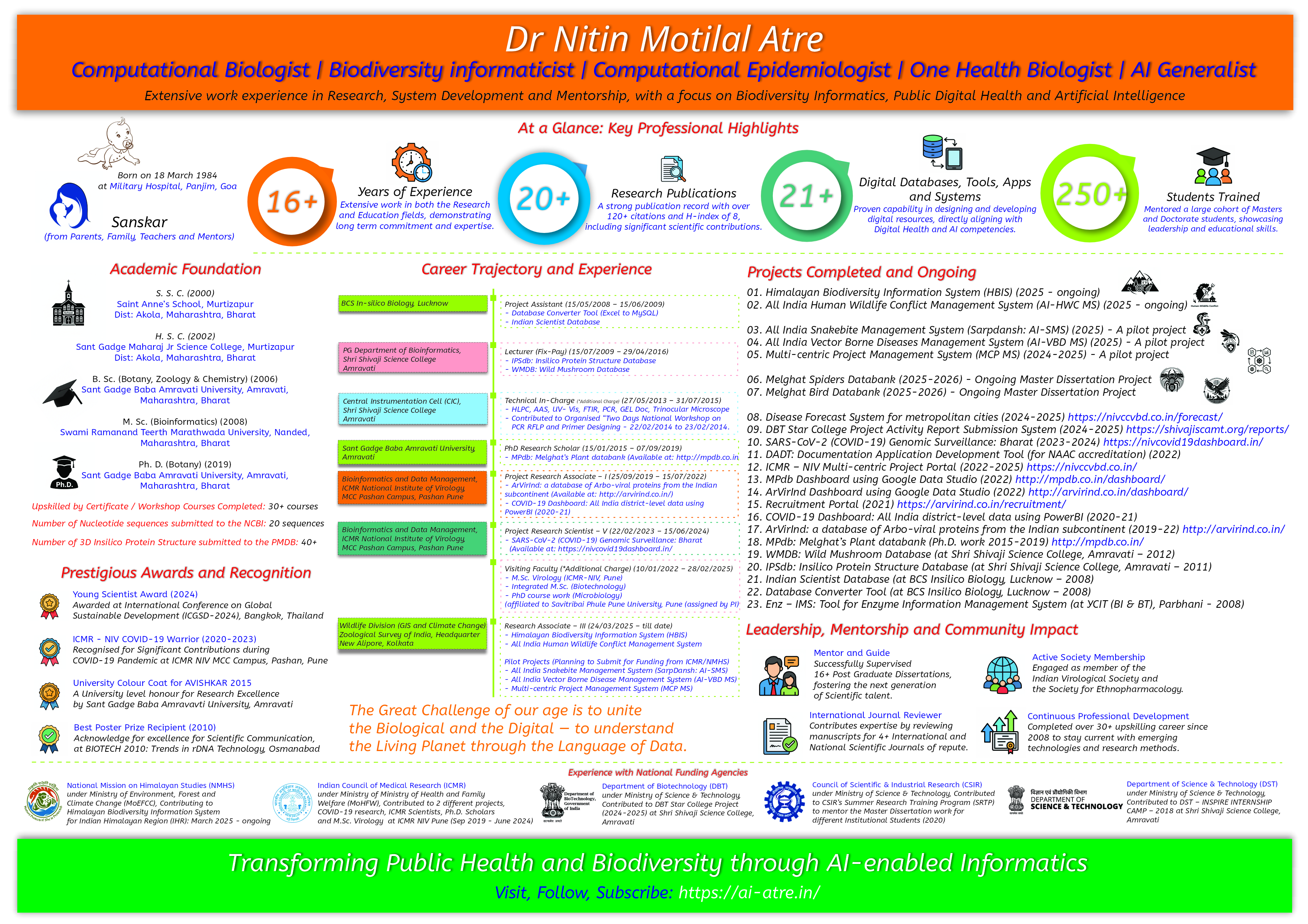
Hindi:
English:
A certified AI generalist, Computational Leader, and Principal Data Architect with 18+ years of strategic research and academic experience in designing, securing, and implementing Biodiversity Informatics solutions led to National One Health initiatives. My expertise spans the critical convergence of Computational Biology, Biodiversity Informatics, Computational Epidemiology, and AI-driven Analytics. I possess a demonstrated ability to transition advanced research into impactful National policy, driving evidence-based solutions at scale:
Architecting Digital Ecosystems: Successfully translating complex data science and bioinformatics workflows (including knowledge base of Arbo-Viral antigenic proteins, Multi-epitope Peptide Vaccine candidates (against Chandipura and Zika virus) Multi-omics (Genomics) Surveillance and Disease Forecasting, AI-enabled Early Warning Systems for ICMR funded projects) into production-ready, Scientific Dashboards that unify Epidemiology and Public Health Intelligence.
Driving Multi-Domain Commitments: Spearheading national initiatives that bridge organizational mandates (ICMR & ZSI), such as the NMHS Integrated Biodiversity Database and AI-Management Systems (e.g., All India – Human Wildlife Conflict Management System ( AI-HWC MS), All India – Snakebite Management System (
 Sarpdansh: AI-SMS), All India – Vector Borne Diseases Management System (
 AI-VBD MS)), fulfilling India`s comprehensive the
  National Digital Health Mission (NDHM), now known as the Ayushman Bharat Digital Mission (ABDM), National One Health Mission, IndiaAI Mission under MeitY, and National Biodiversity Mission (NBM), also known as the National Mission on Biodiversity and Human Well-Being (NMBHWB) agenda.
Programmatic Leadership: Exhibiting proven managerial and research guidance competence and capacity building through the teaching 250+ (M.Sc. Bioinformatics (SGBAU, Amravati), M.Sc. Virology (@ ICMR-NIV, Pune at SPPU, Pune), Integrated M.Sc. in Biotechnology (@ Institute of Bioinformatics and Biotechnology (IBB) at SPPU, Pune) and PhD Course Work (SPPU, Pune)) students and guidance of 12+ Master`s-level research student dissertations.
Led research under a National Mission on Himalayan Studies (NMHS) funded project focused on:
- Building an integrated digital database of Himalayan biodiversity - covering flora, fauna, and ecosystems.
- Enabling evidence-based policy decisions to support conservation and meet India’s national biodiversity commitments.
- Collaborating with government agencies and stakeholders to mainstream scientific data into actionable policy frameworks.
Currently Working on:
- Himalayan Biodiversity Information System (HBIS): Faunal datasets
- AI-HWC MS: All India Human Wildlife Conflict Management System
Pilot Project Developed:
- AI-SMS (Sarpdansh): All India Snakebite Management System (A Pilot Project)
- AI-VBD MS: All India Vector Borne Diseases Management System (A Pilot Project)
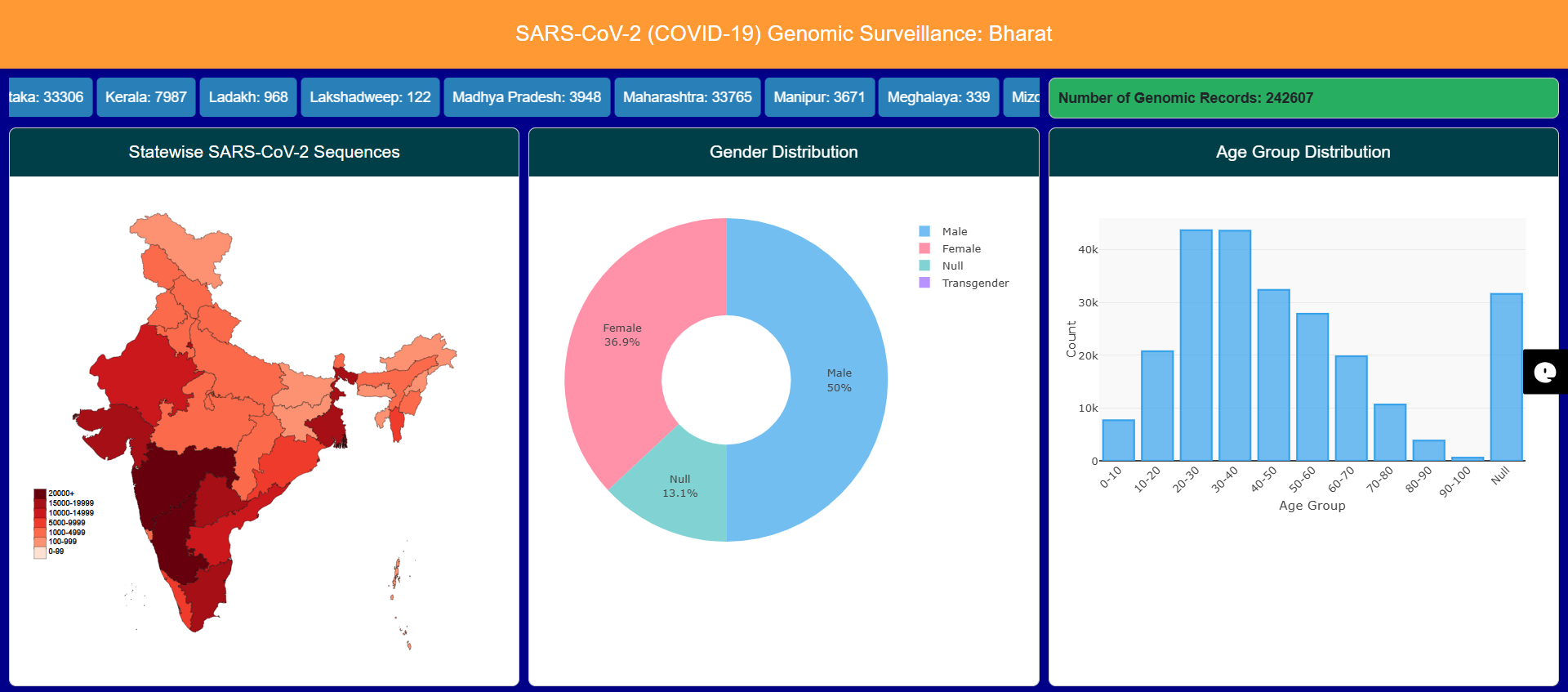
Led research under Indian Council of Medical Research (ICMR) funded project to design and development of an interactive, python-based dashboard, to integrate and visualize multi-omics data (genomics, proteomics) on COVID-19 from across India.
- Engineered advanced data-processing pipelines for aggregation, and quality control of large-scale genomics datasets.
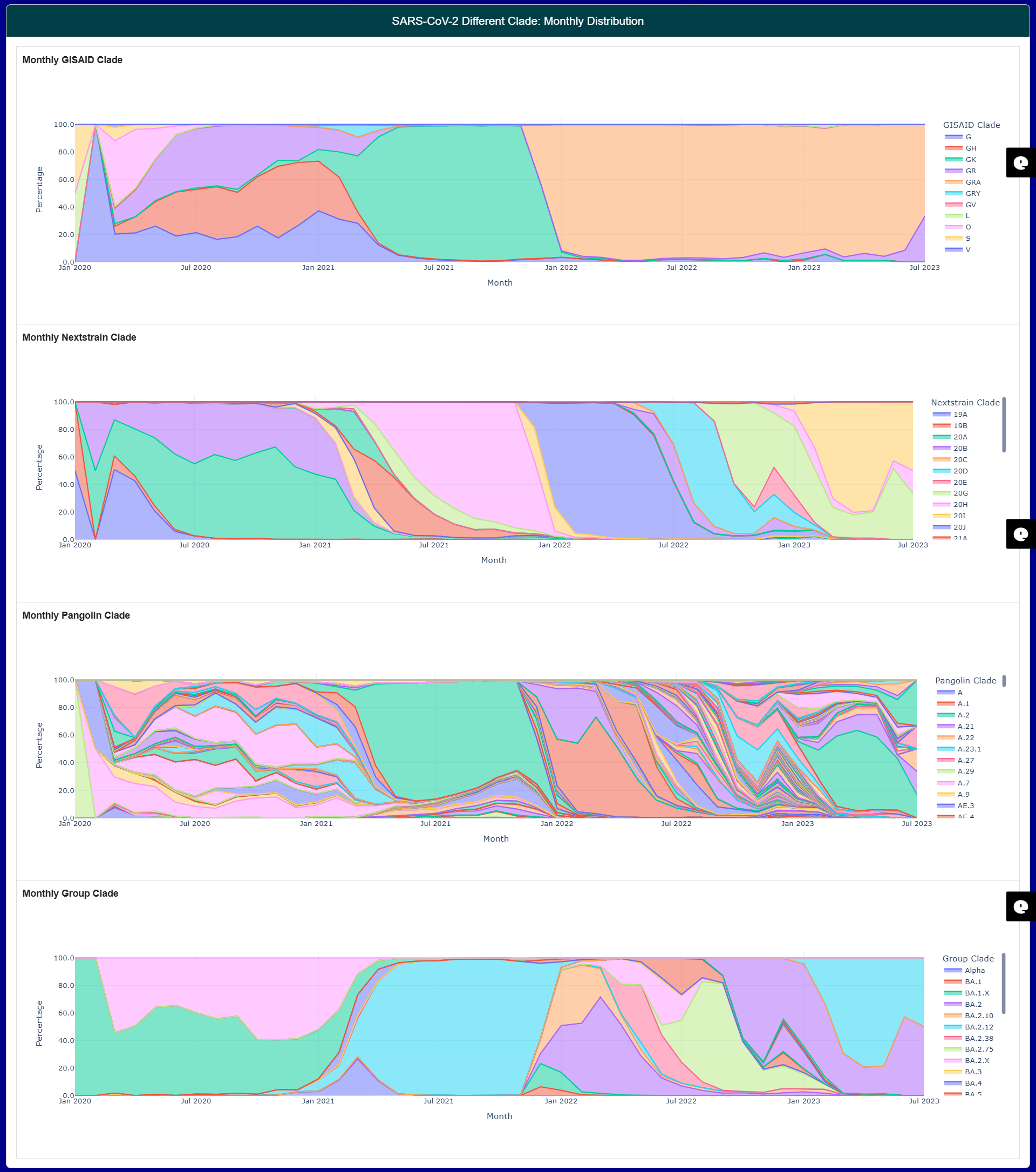
- Implemented intuitive user interfaces to compare COVID-19 variant datasets through dynamic visualizations and analytics.
- Collaborated with interdisciplinary teams, to ensure the dashboard addressed key research and policy requirements.
Noteworthy: Contributed to the initial development of High-Performance Computing (HPC) infrastructure, providing technical inputs on system architecture, infrastructure planning, and multi-agency consultations. (Team ICMR NIV Pune: Dr Priya Abraham, Dr Sarah Cherian, Dr Varsha A Potdar, Dr Pratip Shil and team, Dr Goldi Mishra (IISER Pune) and CDAC Pune team).
Database Developed:
- SARS-CoV-2 (COVID-19) Genomic Surveillance: Bharat (https://nivcovid19dashboard.in/)
Collaborated Pilot Project Developed:
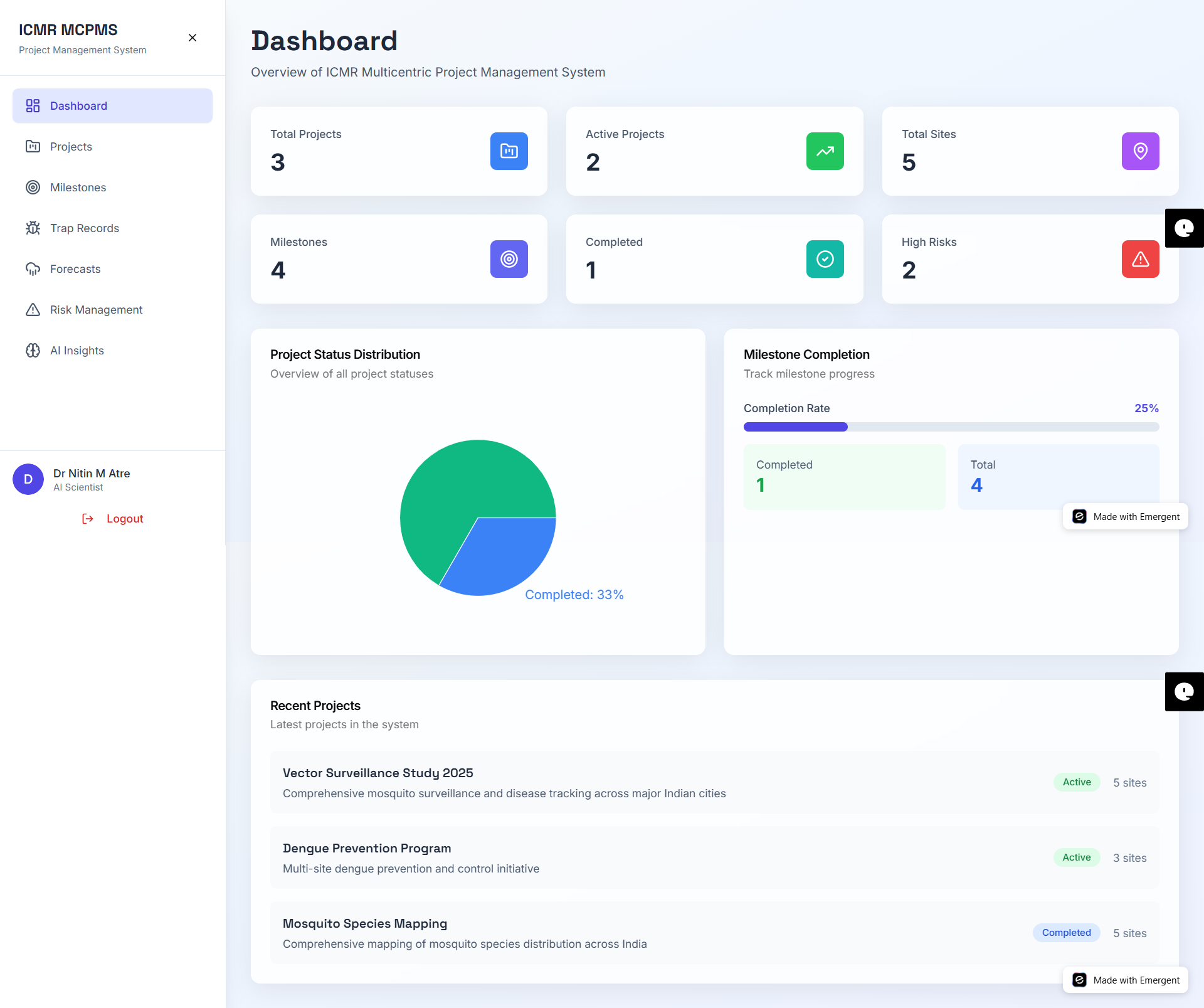
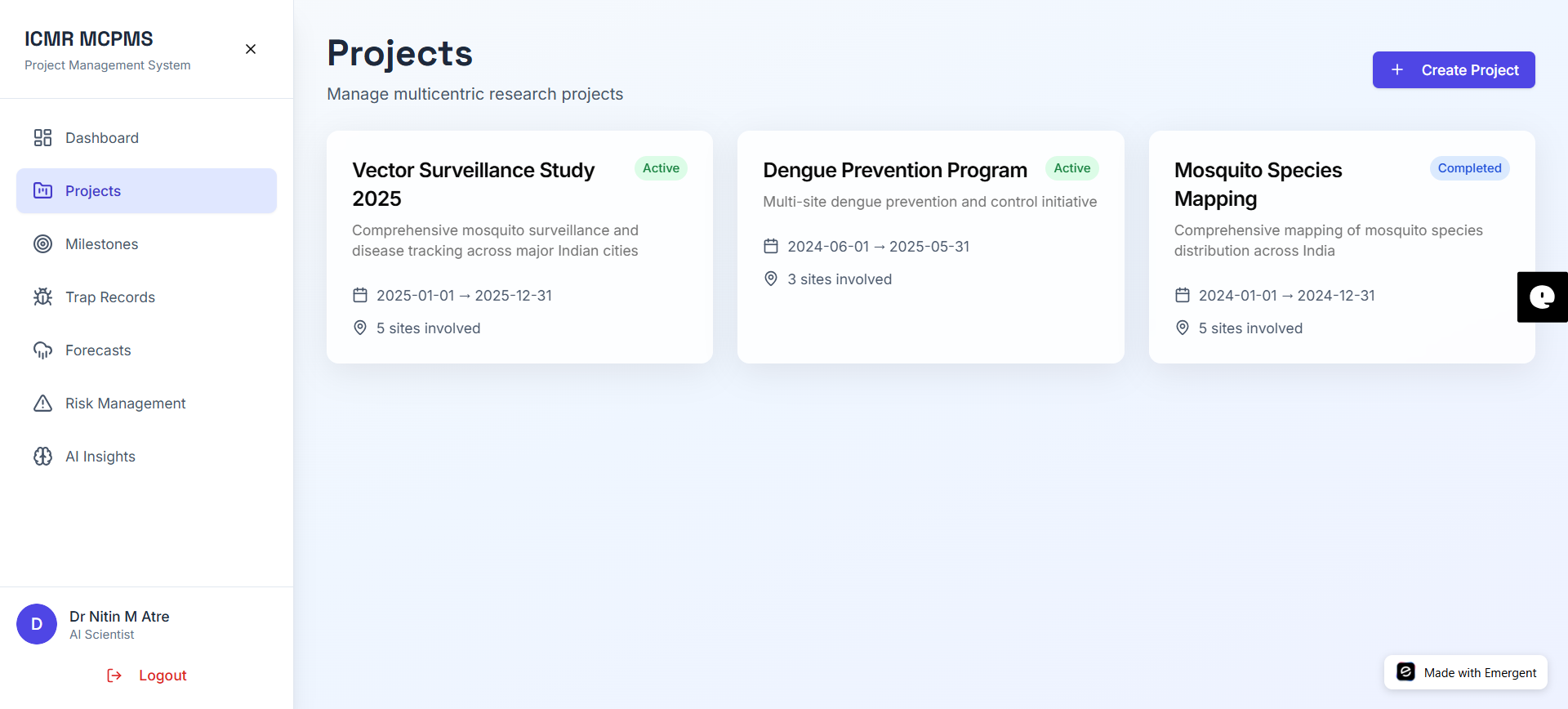
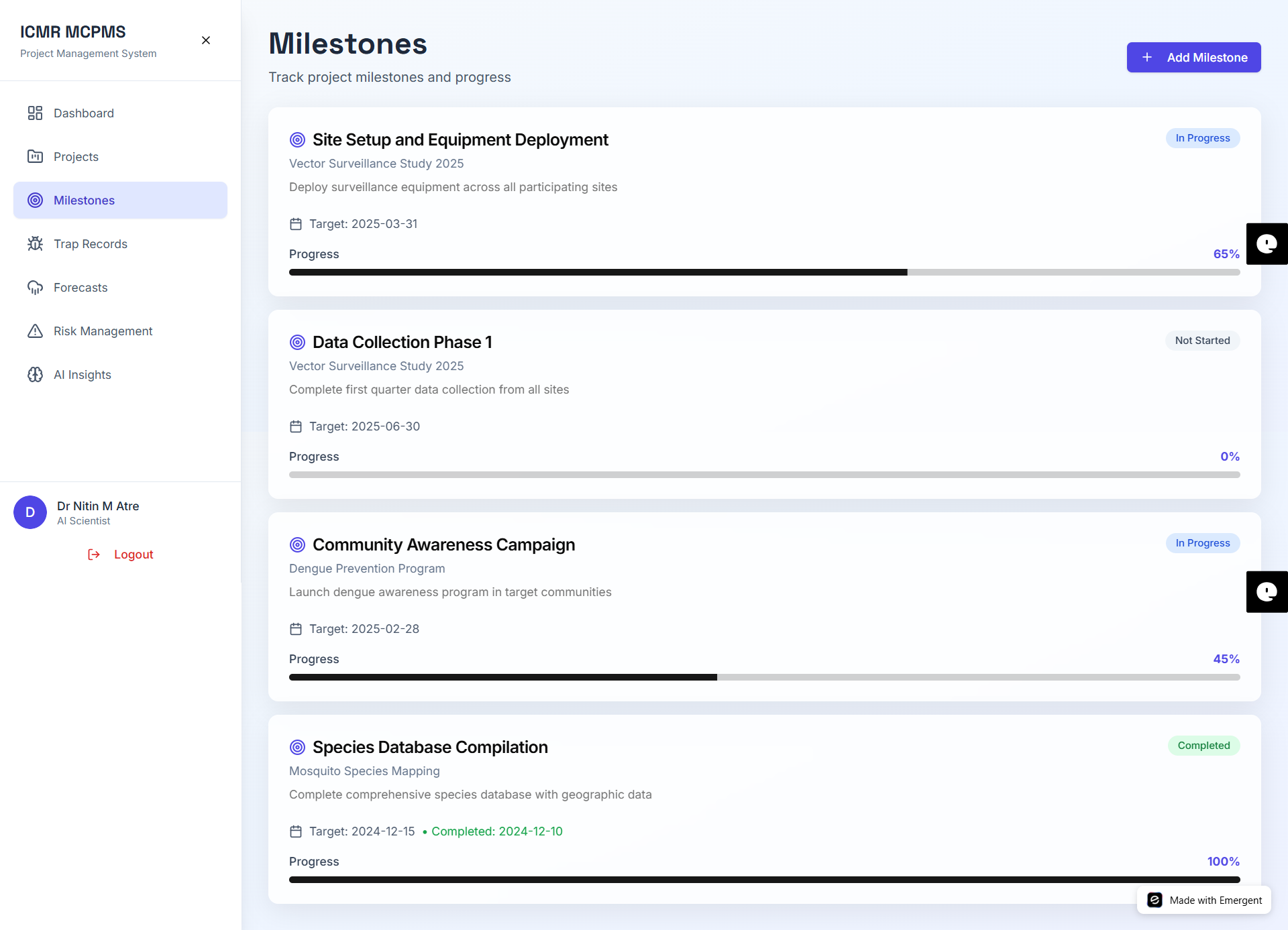
- MCP MS: Multicentric Project Management System (A Pilot Project)
Delivered advanced lectures and interactive sessions for the M.Sc. (Virology) program at ICMR-NIV Pune, covering key concepts in Bioinformatics and Computational Biology in Virology.
- Designed and taught coursework for Integrated M.Sc. (Biotechnology) at Institute of Bioinformatics and Biotechnlogy (IBB)
- Taught Ph.D. Coursework (Microbiology) programs for role of Bioinformatics and Research Methodologies.
- Supervised laboratory practicals and student research projects
- Mentored postgraduate and doctoral students on thesis projects, scientific writing, and career development.
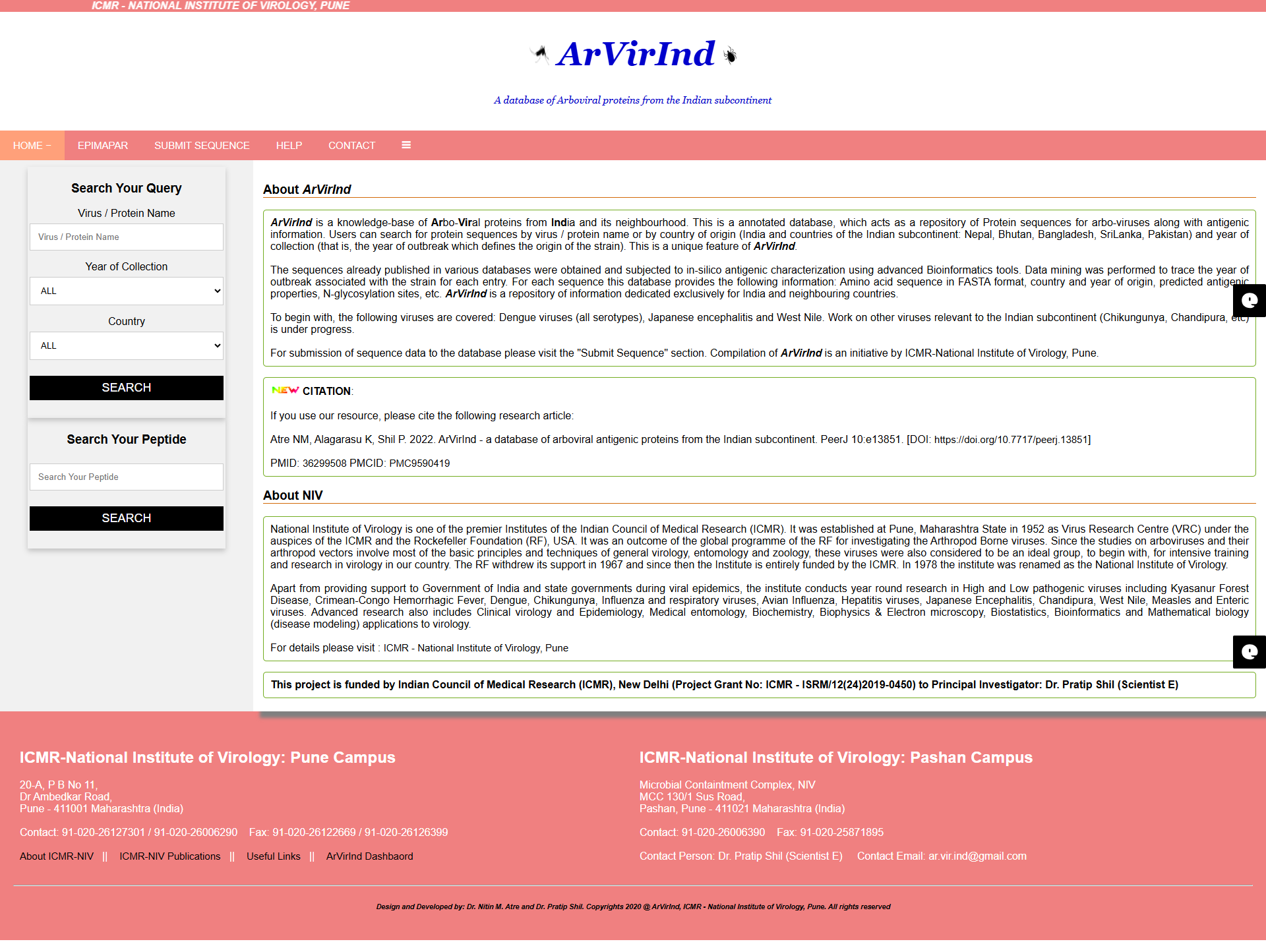
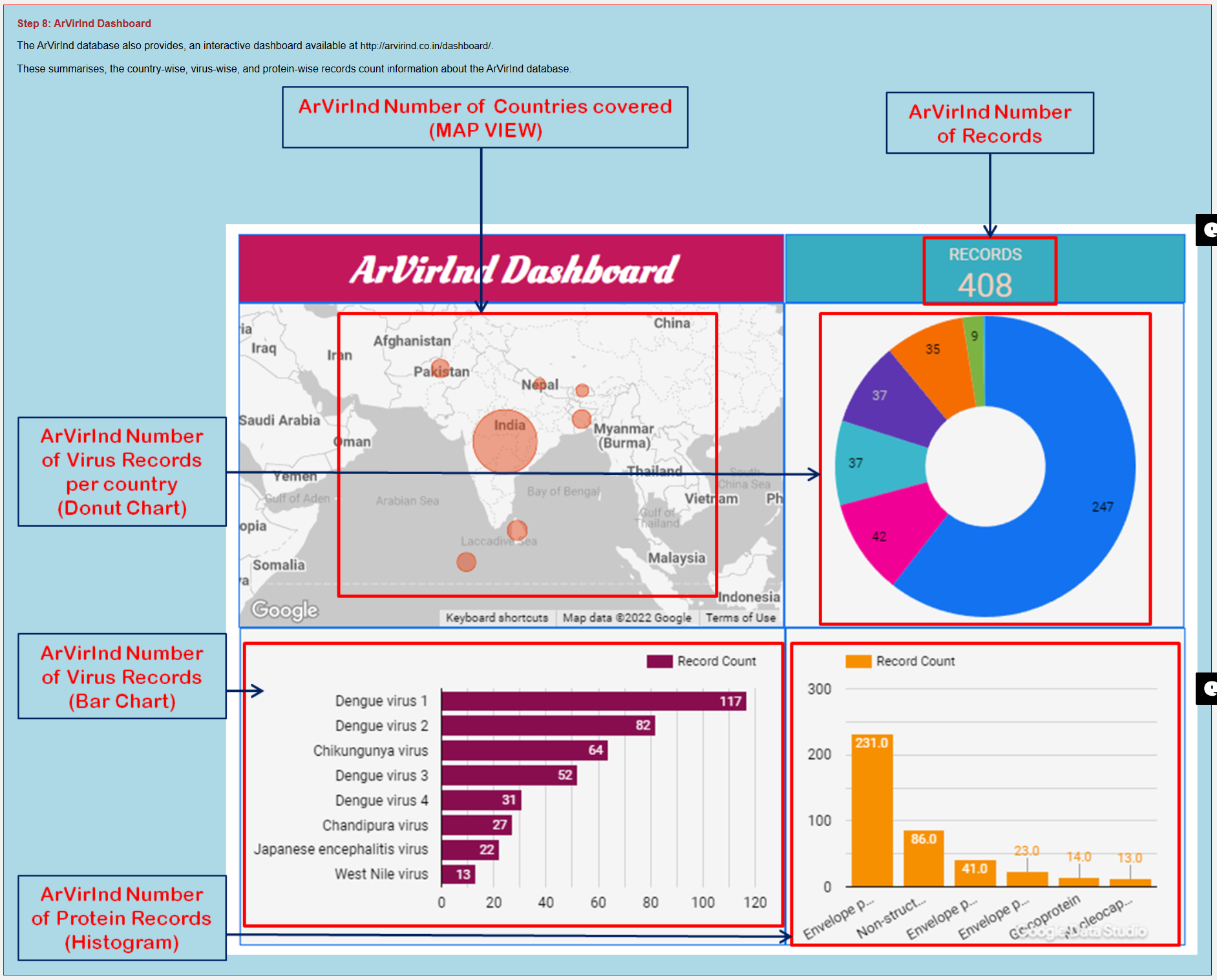
Contributed to the Indian Council of Medical Research (ICMR) funded ArVirInd Project, focusing on the development and curation of a comprehensive database of arboviral (arthropod-borne viral) antigenic proteins from the Indian subcontinent.
- Collected, analyzed, and annotated antigenic protein sequences for different arboviruses
- Employed bioinformatics tools and pipelines to predict antigenic sites (B-cell epitope), classify viral proteins
- Assisted in preparing project documentation, reports, and peer-reviewed publications.
Database Developed:
- ArVirInd: A database of Arboviral proteins from the Indian subcontinent (https://arvirind.co.in/)
Other Collaborated Tool / Database Developed:
- ICMR - NIV: A Multicentric Project Portal (https://nivccvbd.co.in/)
Worked on my PhD work entitled as "Digitization and Bioprospecting Medicinal Plant Knowledge from Melghat (MS) region using Biodiversity Informatics"
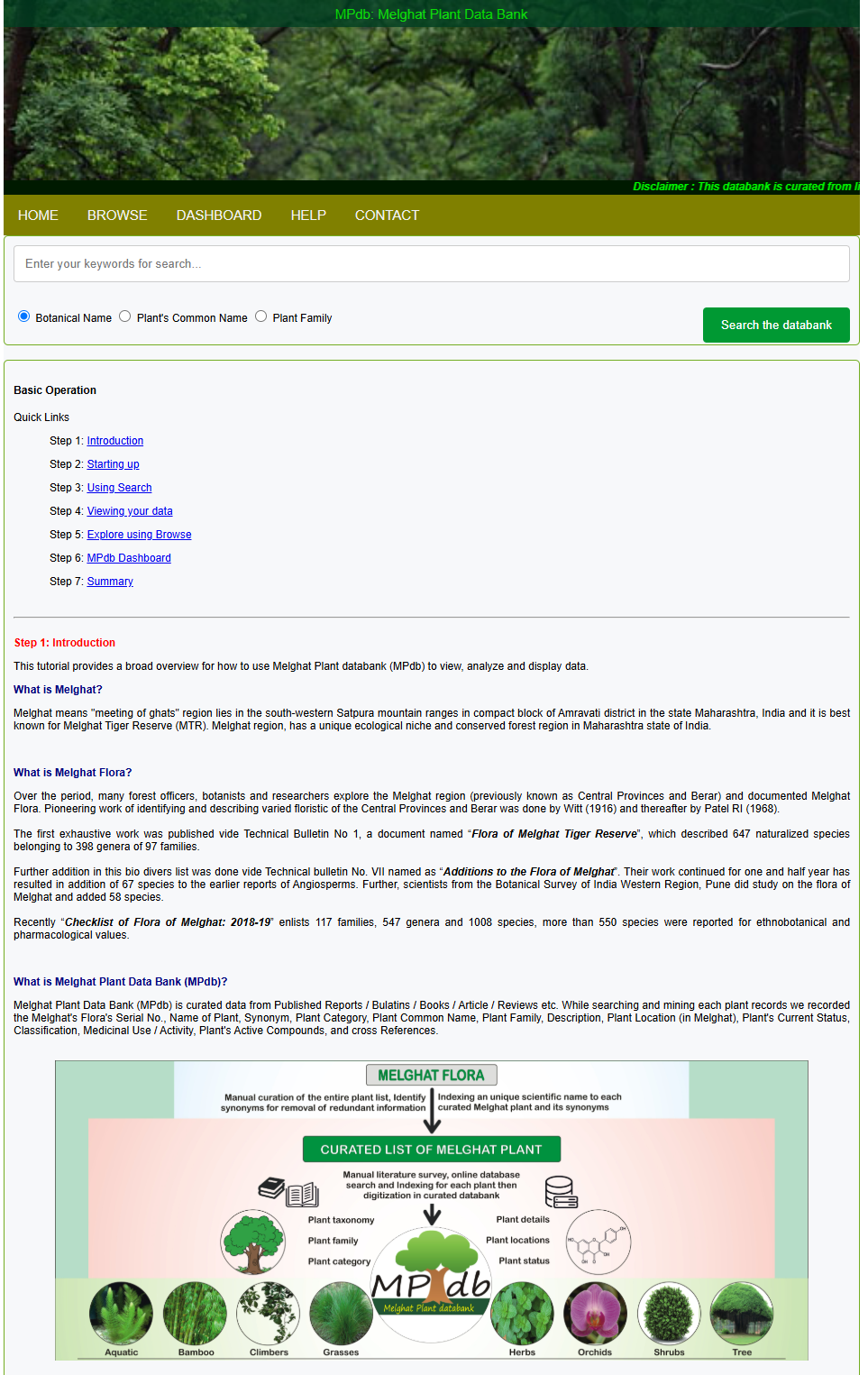
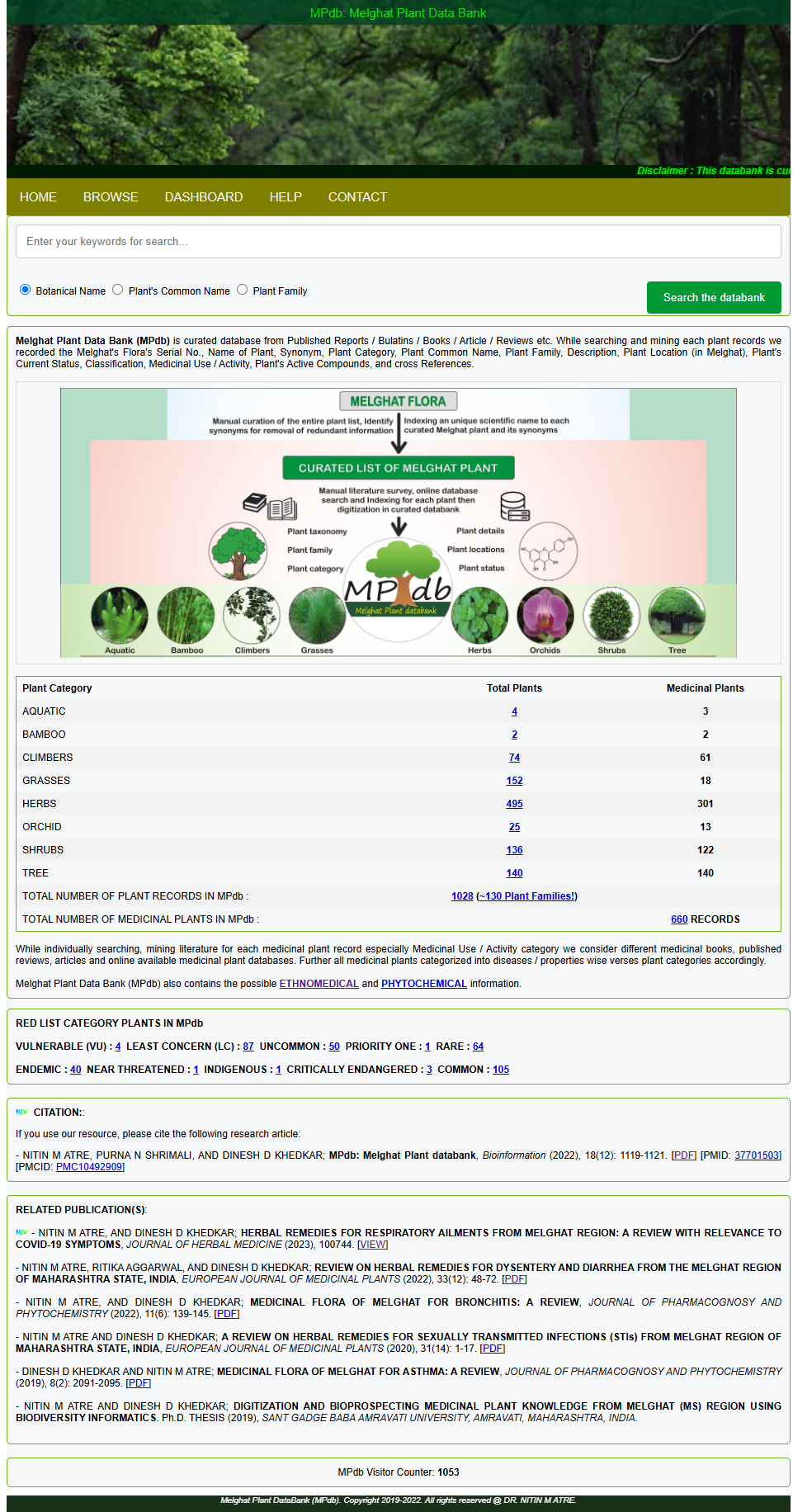
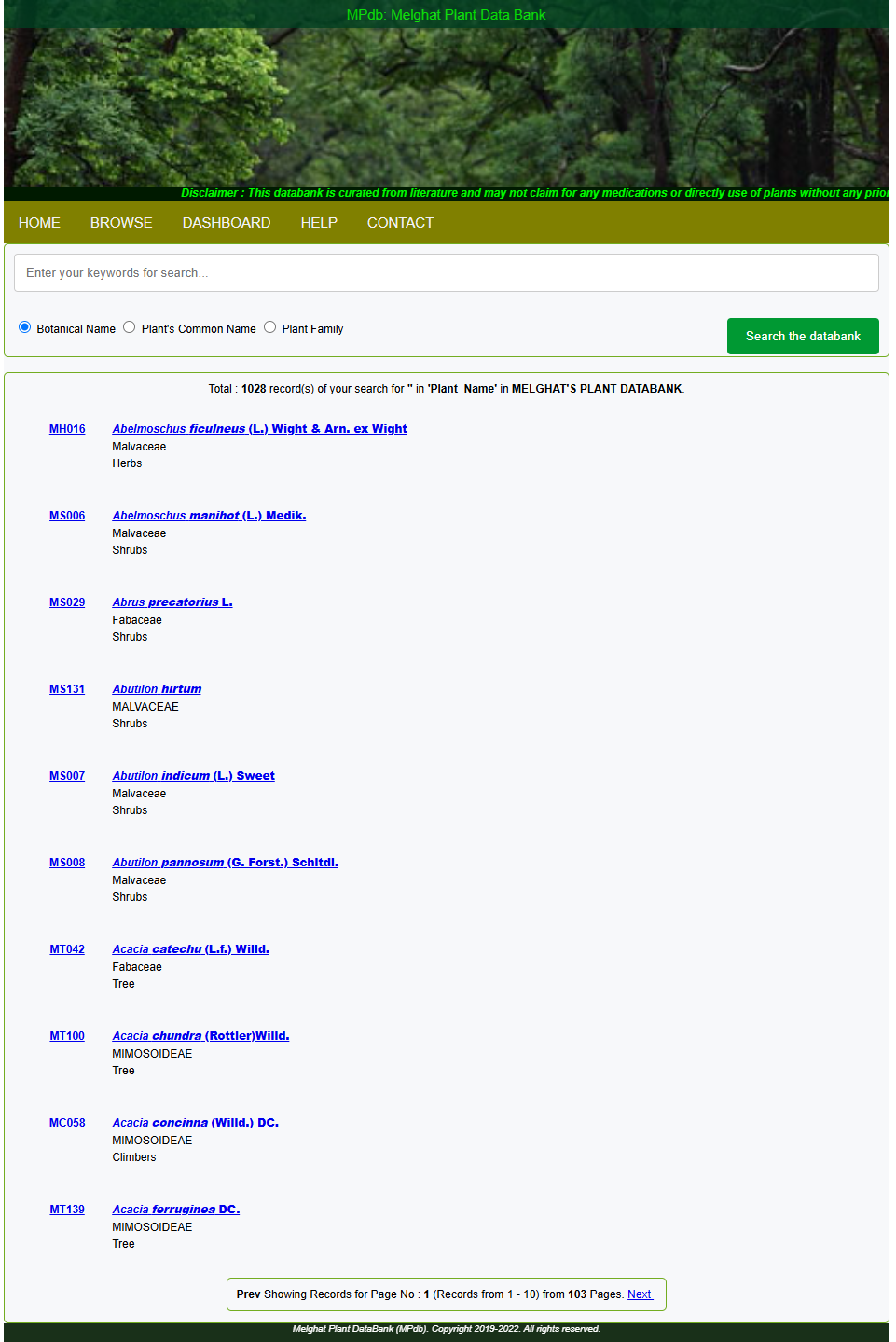
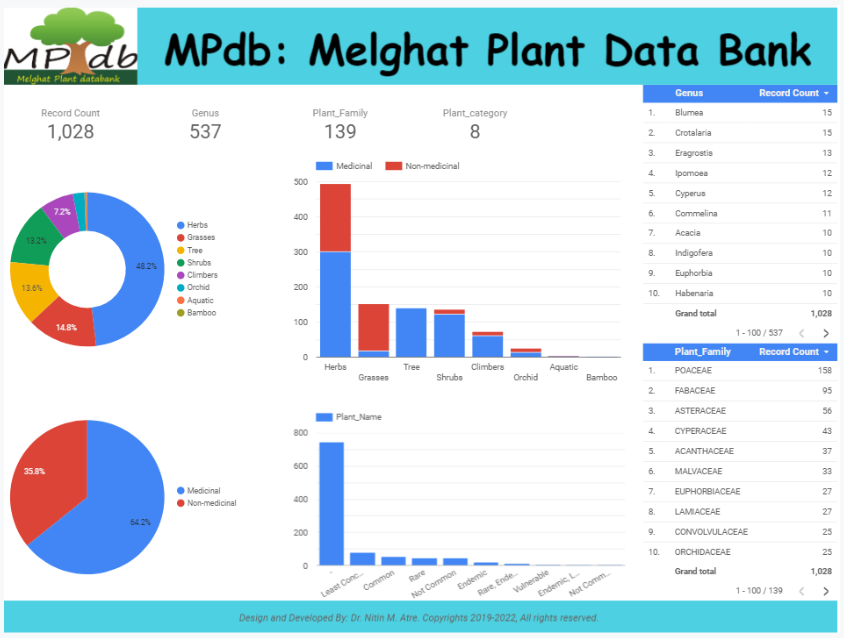
I develop the Melghat’s Plant databank (MPdb) is a curated database that has been constructed via literature mining followed by manual curation of information gathered, enlists 131 families, 562 genera, and 1032 plant records enlists as Aquatic (4), Bamboo (2), Climbers (74), Grasses (154), Herbs (497), Orchids (25), Shrubs (136) and Trees (140) from the Melghat region.
- Curated information gathered for ethnobotanical and medicinal plants from the Melghat region reached 661 medicinal plant records in MPdb.
- MPdb records show the number of plants frequently used to treat Asthma (128 species), Sexual Transmitted Diseases (STDs) (167 species), Bronchitis (118 species), Diarrhea (150 species), Dysentery (124 species), Fever (177 species), Cough (115 species), Skin problems (168 species), Tonic (135 species), Pain (118 species), Wounds (113 species), Ulcer (113 species), Cancer (103 species), Tuberculosis (126 species), Diabetes (128 species) etc. from a wide range of medicinal plants in Melghat.
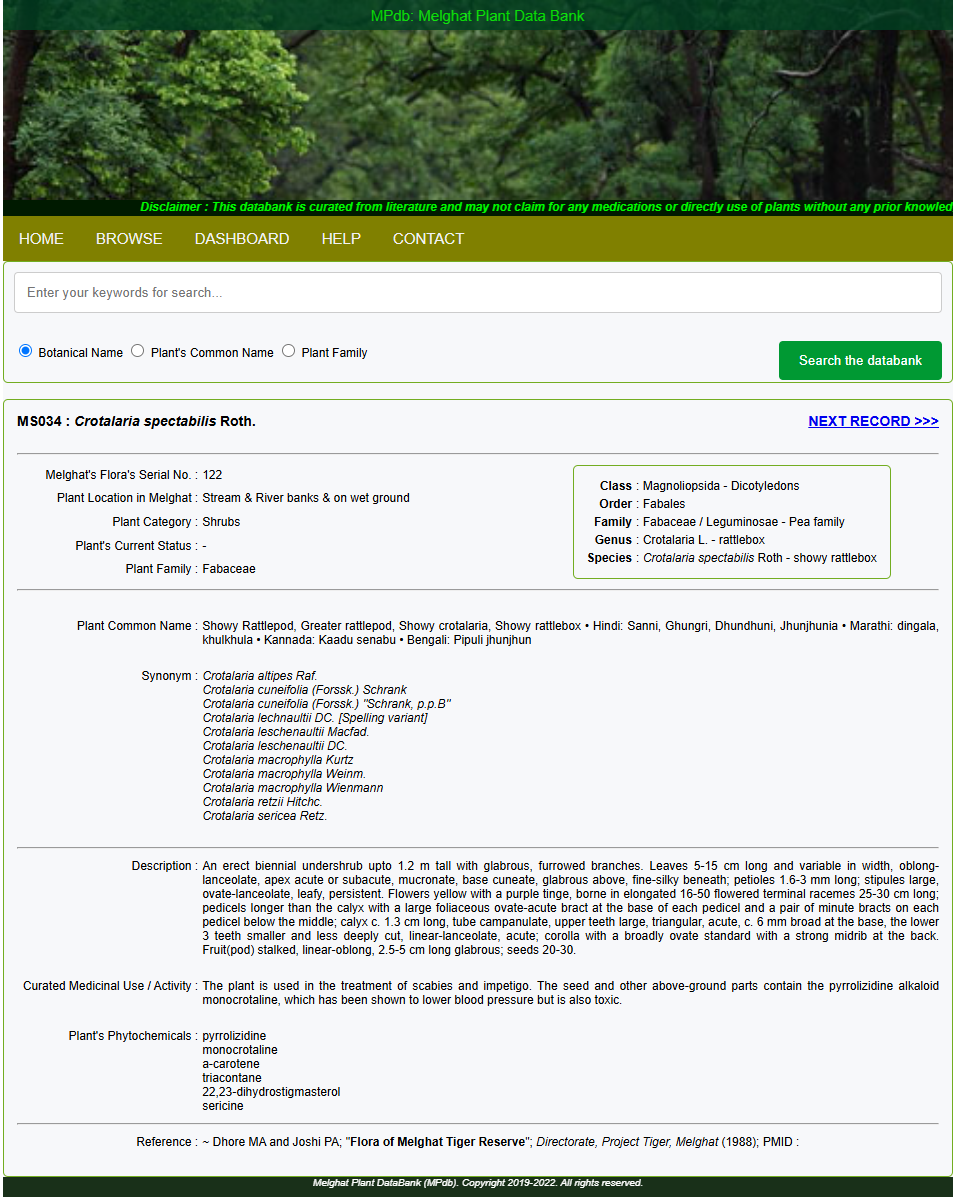
- Importantly, MPDB records show >3344 phytochemicals with respective plant records and related citations.
- Plant-derived active anti-cancer compounds library of 163 compounds was recorded. The active compounds library is assembled with curated 686 in-vitro activity records and 612 target protein records.
Best five Molecular Dcoking score against the Human Hsp90 target (PDB ID: 1YET) protein are Solamargine (Dock Score: -11.6), Withanoside IV (Dock Score: -10.58), Glaucarubol (Dock Score: -10.06), Cucurbitacin (Dock Score: -9.65) and Pristimerin (Dock Score: -9.52).
- For each docking result, pharmacophore analysis and alignment were performed.
Database Developed:
- MPdb: Melghat Plant DataBank (https://mpdb.co.in/)
Oversaw the management, maintenance, and calibration of advanced scientific instrumentation
* Atomic Absorption Spectrophotometer (AAS),
* High Performance Liquid Chromatography (HPLC),
* FT-IR Spectrophotometer (FTIR),
* Ultraviolet and Visible Absorption Spectrophotometer (UV-VIS),
* Trinocular Axio Lab.A1 Fluorescence Microscope with Digital Camera,
* Polymerase Chain Reaction (PCR),
* Gel Documentation
- Coordinated instrument scheduling, user training, and access for faculty, researchers, and students
- Developed and implemented standard operating procedures (SOPs) and safety protocols
- Assisted principal investigators and postgraduate students with experimental setup, data acquisition, and method optimization
- Facilitated workshops and demonstration sessions to enhance users’ technical competencies.
Delivered lectures and hands-on training (practicals) for M.Sc. Bioinformatics in core bioinformatics subjects, including sequence analysis, structural biology, genomics, and proteomics.
- Designed and taught modules on bioprogramming, covering the fundamentals of scripting (C and Perl)
- Supervised laboratory practicums and student projects, emphasizing the application of computational tools
- Developed curriculum content, lecture materials, and assessment strategies to align with advancing trends in bioinformatics
- Mentored postgraduate students on research design, data analysis, and Master thesis work.
Tool(s) / Database(s) Developed:
- IPSdb: Insilico Protein Structure Database
- WMDB: Wild Mushroom Database
Assisted in the design, development, and deployment of specialized biological databases to support in-silico research projects
- Conducted computational biology analyses, including sequence alignment, 3D protein structure predictions
- Contributed to data curation, quality control, and documentation to ensure database accuracy
- Participated in the preparation of scientific reports and presentations to communicate project progress.
Tool(s) / Database(s) Developed:
- Database Converter Tool (Excel to MySQL)
- Indian Scientist Database
- Dr Indra Dutt Bhatt,
Scientist G and Head,
Centre for Biodiversity Conservation & Management (CBCM),
Kosi-Katarmal, Almora – 263 643 Uttarakhand, India - Dr Lalit Kumar Sharma,
Scientist E and Group Incharge,
Wildlife Division (GIS and Climate Change), Zoological Survey of India (HQ), Prani Vigyan Bhawan,
New Alipore, Kolkata – 700 053 West Bengal, India - Prof Sunil Nautiyal,
Director,
G.B. Pant National Institute of Himalayan Environment (GBPNIHE),
Kosi-Katarmal, Almora – 263 643 Uttarakhand, India
Himalayan Biodiversity Information System (HBIS)
NMHS funded Project: The Integrated Database of the Himalayan Biodiversity project is a flagship initiative aimed at consolidating and digitizing comprehensive biodiversity information across the Indian Himalayan Region (IHR). The project will serve as a centralized repository for agrobiodiversity and species profiles at granular scales — village, district, and protected area levels. By leveraging advanced geospatial and informatics tools, it will facilitate real-time biodiversity curation, support environmental performance indexing, and mainstream scientific data into actionable policy frameworks. A digitized repository will be developed and made accessible through a user-friendly web portal and a citizen science–based mobile application, enabling both researchers and local communities to contribute and validate field data.
Product OverviewAI-HWCMS: All India Human Wildlife Conflict Management System
All India Human–Wildlife Conflict Management System (AI-HWCMS) is a next-generation, AI-driven national platform envisioned to systematically monitor, predict, and manage human–wildlife conflicts involving 17 priority wildlife species across all districts of India, spanning diverse ecological, climatic, and socio-cultural landscapes. The system integrates ground-level field reports, citizen science inputs, remote sensing data, historical conflict records, and advanced predictive analytics to enable early-warning alerts, hotspot identification, and rapid response mechanisms at district, state, and national scales. AI-HWCMS supports real-time decision-making, optimized resource deployment, targeted mitigation strategies, inform adaptive conservation planning, policy formulation, and long-term wildlife management strategies in India.
Product OverviewAI-SMS (Sarpdansh): All India Snakebite Management System (A Pilot Project)
AI-SMS (Sarpdansh) is a comprehensive Indian snake database and management platform integrating detailed profiles of venomous and non-venomous species with key identification features and all-India distribution maps. It combines climate-based, district-wise habitat suitability and rural-urban snakebite hotspot analytics with real-time access to nearest Primary Health Centers (PHCs) and facility resources, enabling targeted prevention, rapid response, and optimized clinical management across snakebite-prone areas.
Product OverviewAI-VBDMS: All India Vector Borne Diseases Management System (A Pilot Project)
AI-VBDMS is a nationwide vector-borne disease management system featuring an extensive database of 414 mosquito species and 69 sandfly species. It supports targeted surveillance and control of eight major diseases—Dengue, Malaria, Chikungunya, Zika, Lymphatic Filariasis, West Nile Virus, Japanese Encephalitis, and Kala-azar—by integrating species distribution, vector ecology, and epidemiological data for district-wise hotspots. The system provides real-time alerts, mapping and real-time decision support in India’s public health landscape.
Product Overview- Dr Pratip Shil,
Scientist E,
Bioinformatics and Data Management, ICMR – National Institute of Virology (NIV),
MCC Campus, Pashan, Pune – 411 021 Maharashtra, India - Dr Sarah S. Cherian,
Scientist G and Group Incharge,
Bioinformatics and Data Management, ICMR – National Institute of Virology (NIV),
Camp Campus, Dr Ambedkar Road, Pune – 411 001 Maharashtra, India - Dr Varsha A. Potdar,
Scientist E and Head Influenza Group,
Influenza, ICMR – National Institute of Virology (NIV),
Camp Campus, Dr Ambedkar Road, Pune – 411 001 Maharashtra, India

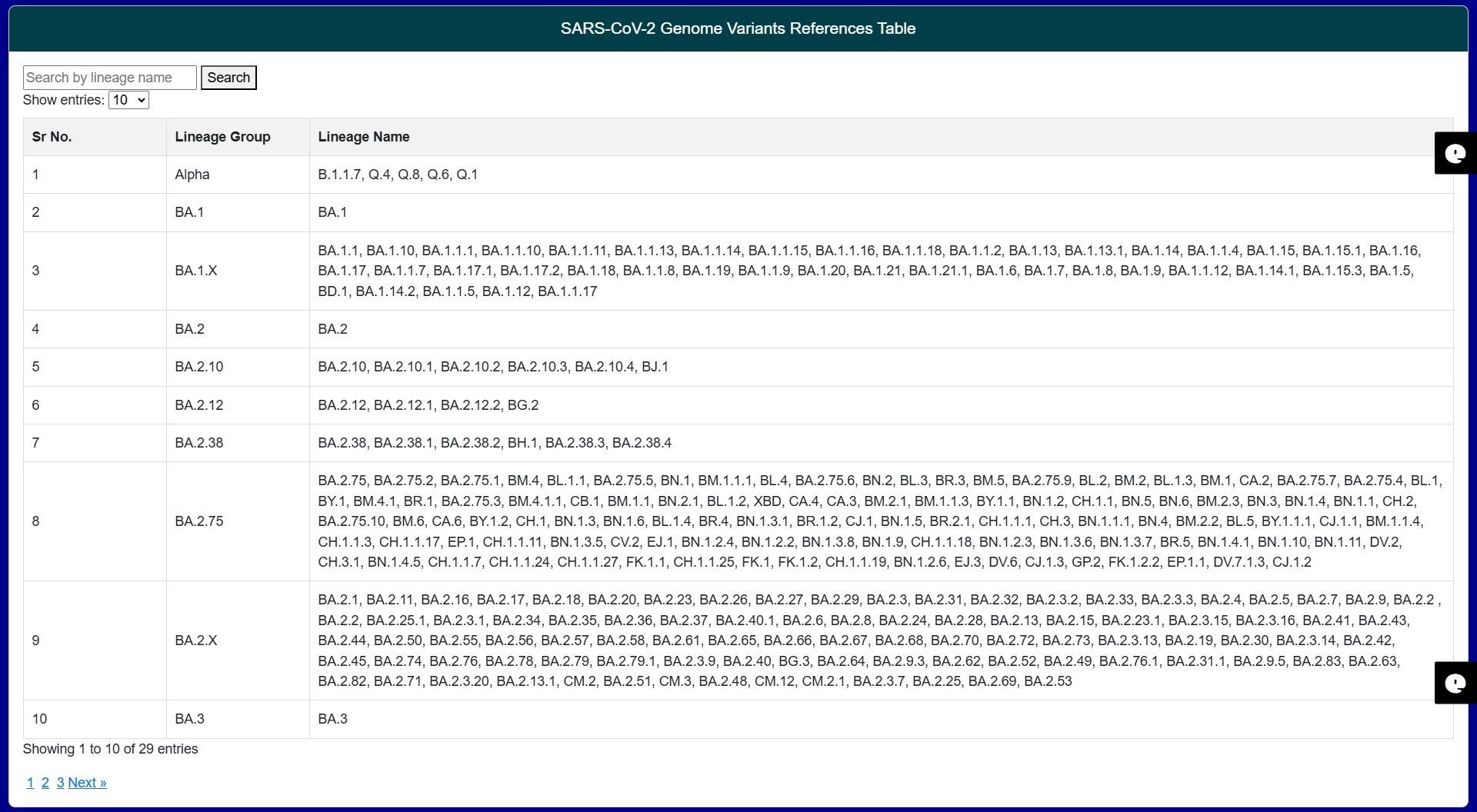
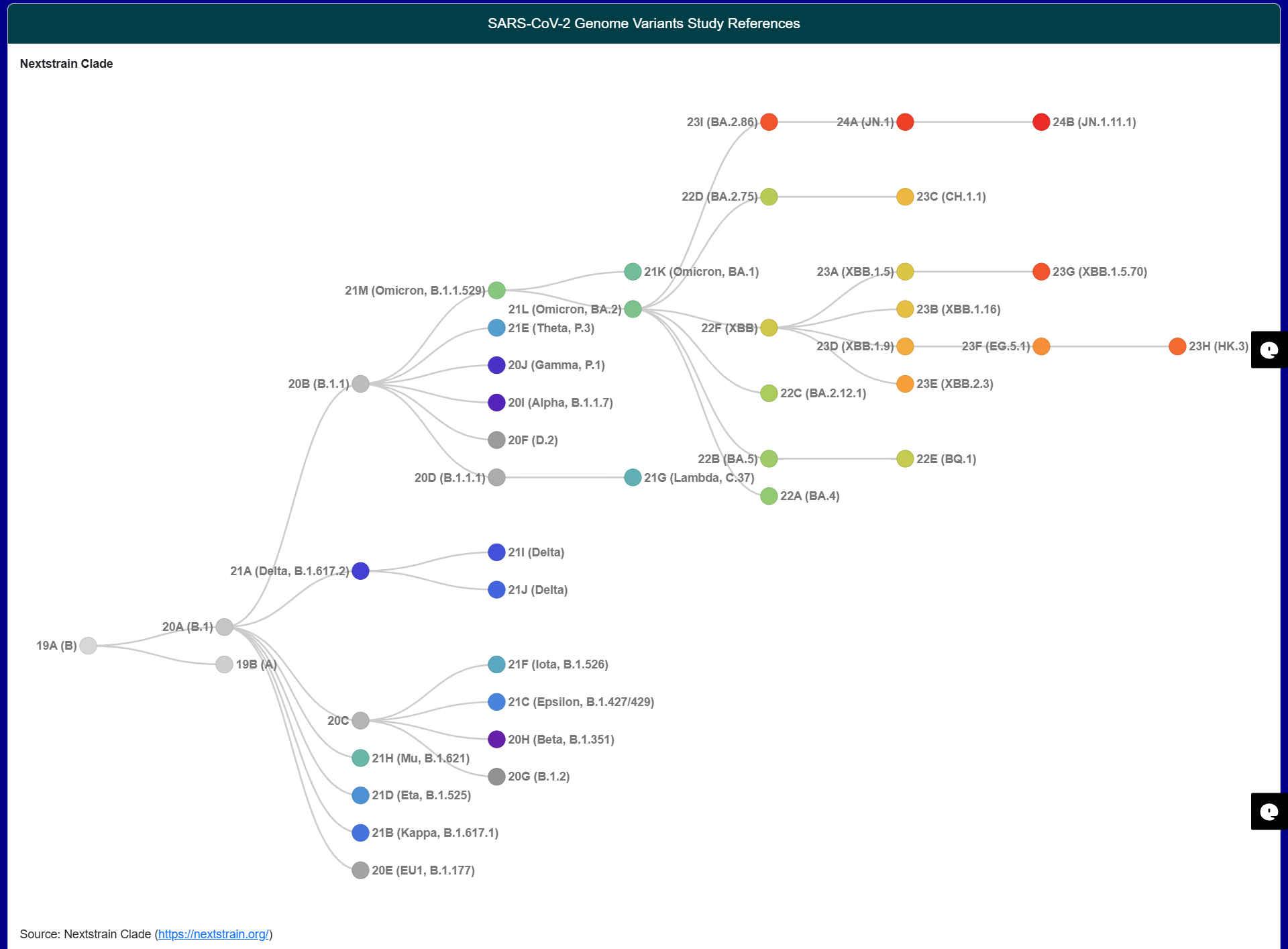
SARS-CoV2 Dashboard Project Summary: Studies on antigenic proteins for arboviruses are important for providing diagnostics and vaccine development. India and its neighboring countries have a huge burden of arboviral diseases. Data mining for country-specific sequences from existing bioinformatics databases is cumbersome and time-consuming. This necessitated the development of a database of antigenic proteins from arboviruses isolated from the countries of the Indian subcontinent. Methods: Arboviral antigenic protein sequences were obtained from the NCBI and other databases. In silico antigenic characterization was performed (Epitope predictions) and data was incorporated into the database. The front end was designed and developed using HTML, CSS, and PHP. For the backend of the database, we have used MySQL. Results: A database, named ArVirInd, is created as a repository of information on curated antigenic proteins. This enlists sequences by country and year of outbreak or origin of the viral strain. For each entry, antigenic information is provided along with functional sites, etc. Researchers can search this database by virus/protein name, country, and year of collection (or in combination) as well as peptide search for epitopes. ArVirInd will be useful in the study of immune informatics, diagnostics, and vaccinology for arboviruses.
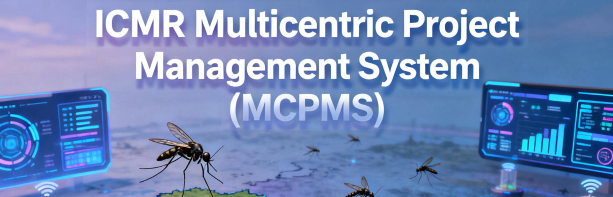
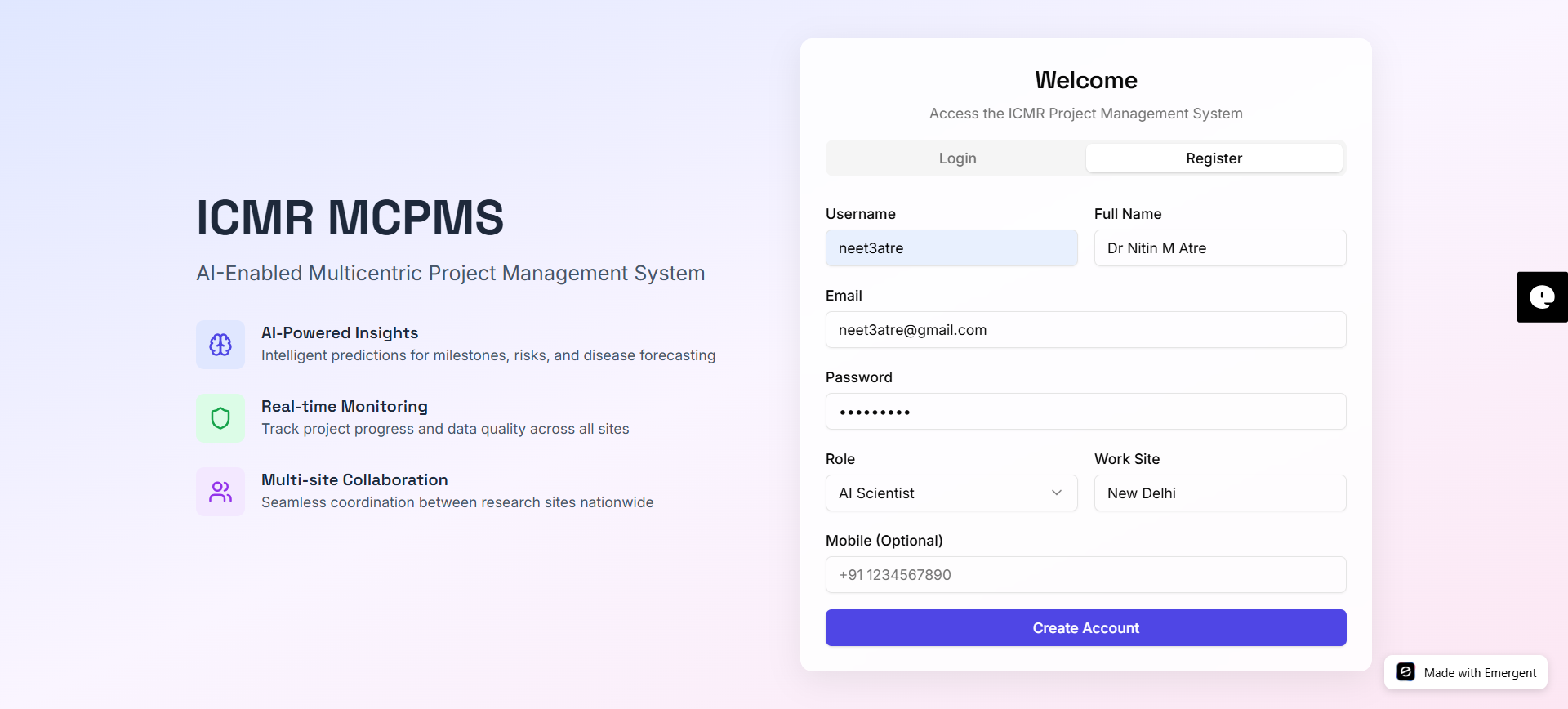
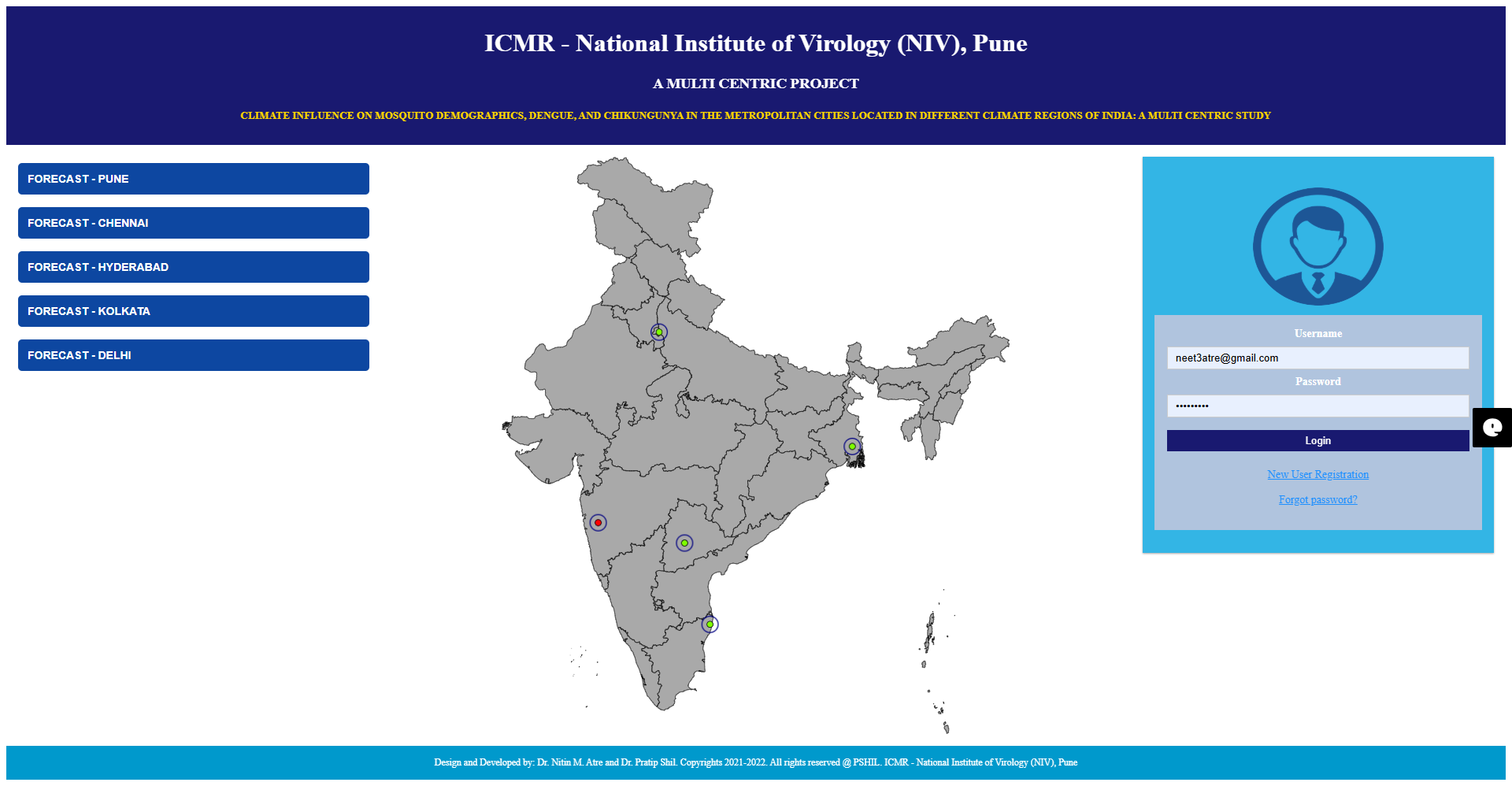
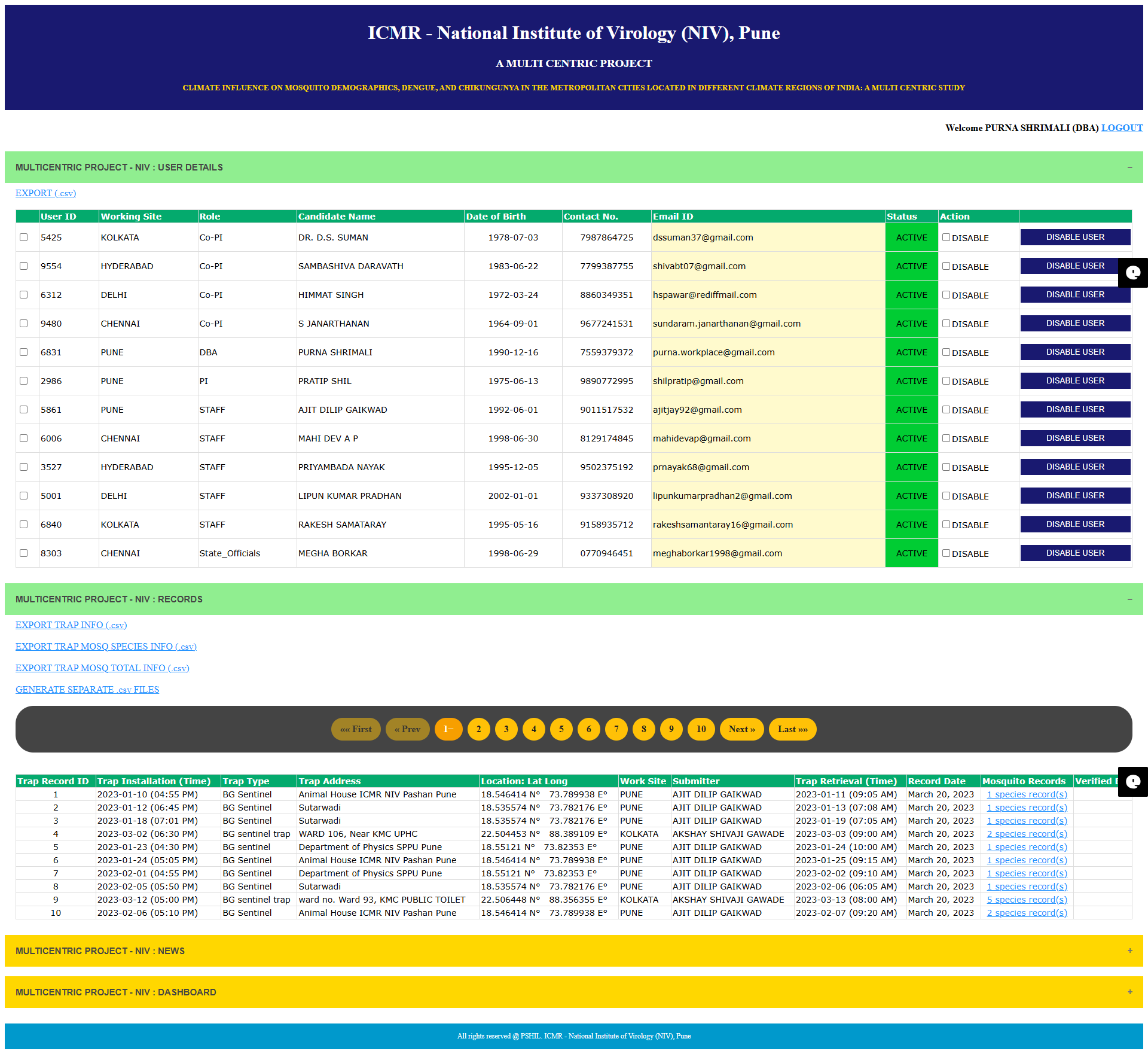
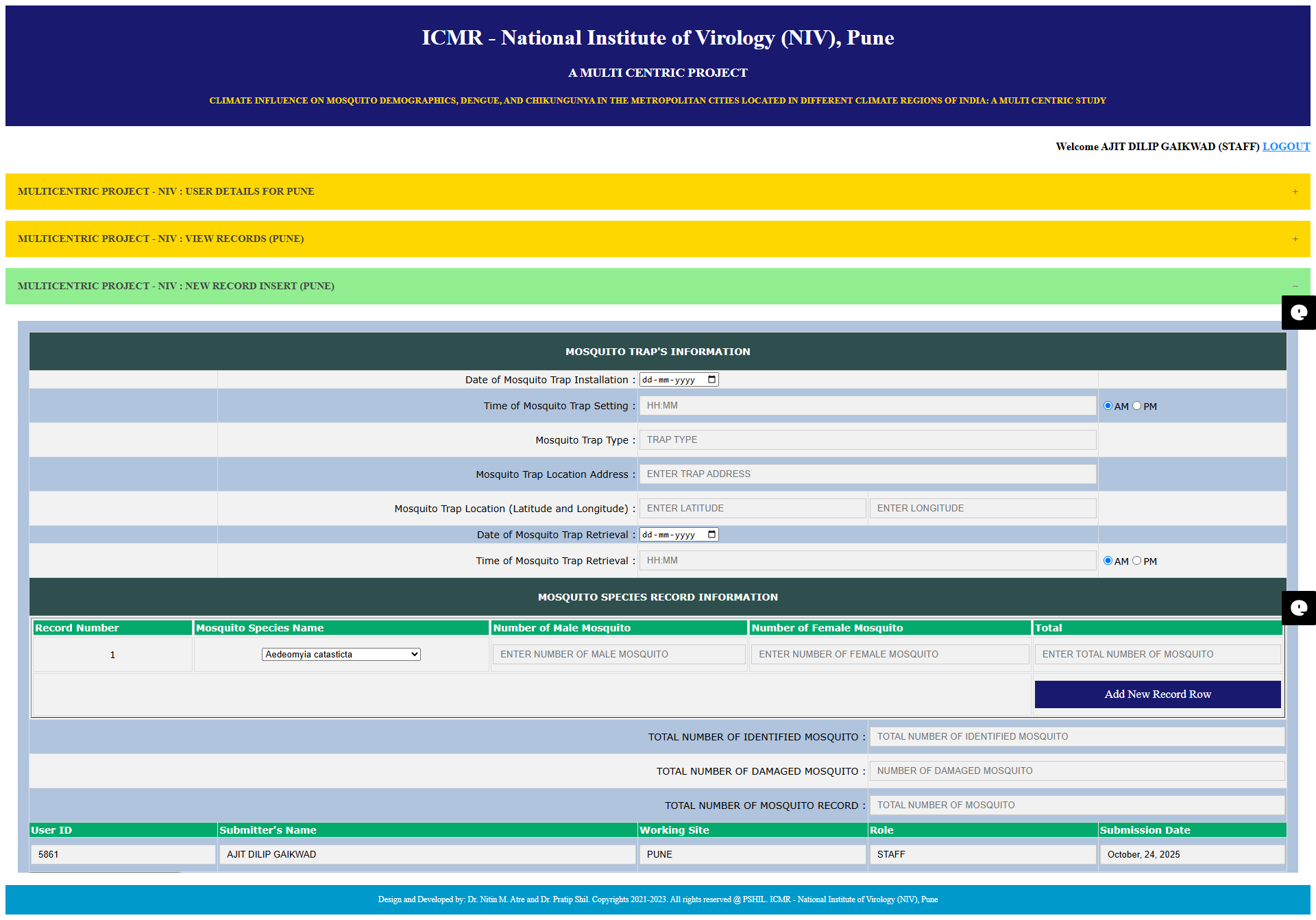
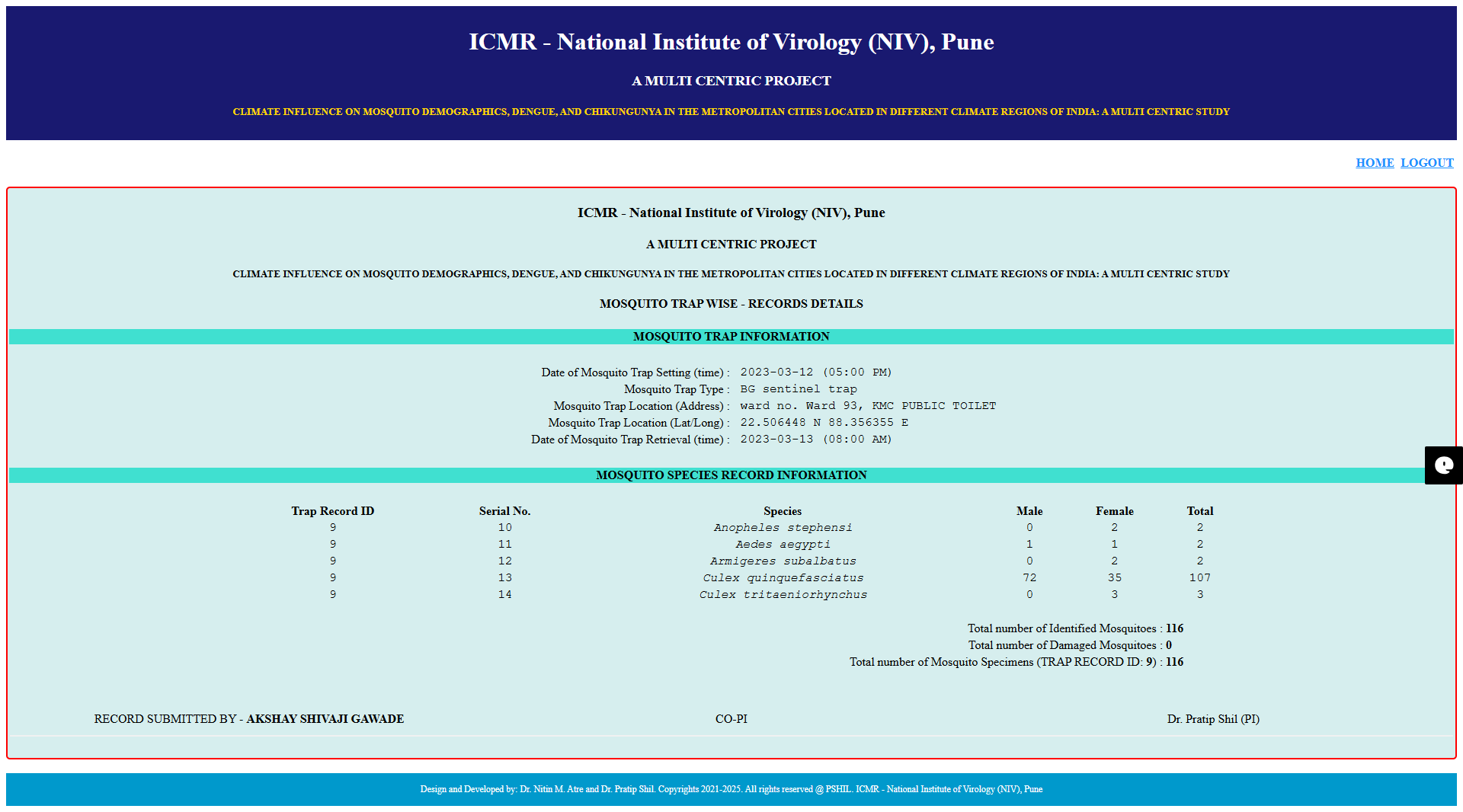
Summary: The ICMR Multicentric Project Management System (MCPMS) enables coordinated mosquito-borne disease surveillance, forecasting, and risk management across multiple sites in India. The primary goal is to collect real-time vector and epidemiological data, harmonize reporting processes, and use AI analytics for forecasting disease trends and supporting public health interventions. Objectives include mapping mosquito species distribution, predicting outbreaks using climate and case data, and providing actionable risk mitigation strategies. The system utilizes trap deployments, milestone tracking, and integrated dashboards. Results demonstrate nationwide species database completion, accurate monthly outbreak forecasts (e.g., dengue in Pune), and identified project risks mitigated via automated checks and equipment protocols. MCPMS advances proactive public health decision-making through robust, multi-site data intelligence and collaboration.
Note: Based on our findings and experience in previous project "This tool was developed in 2021-2025 under the Supervision of Dr Pratip Shil. We are working on further project fine refinements and project proposal for the ICMR Extrameural Project Fund.
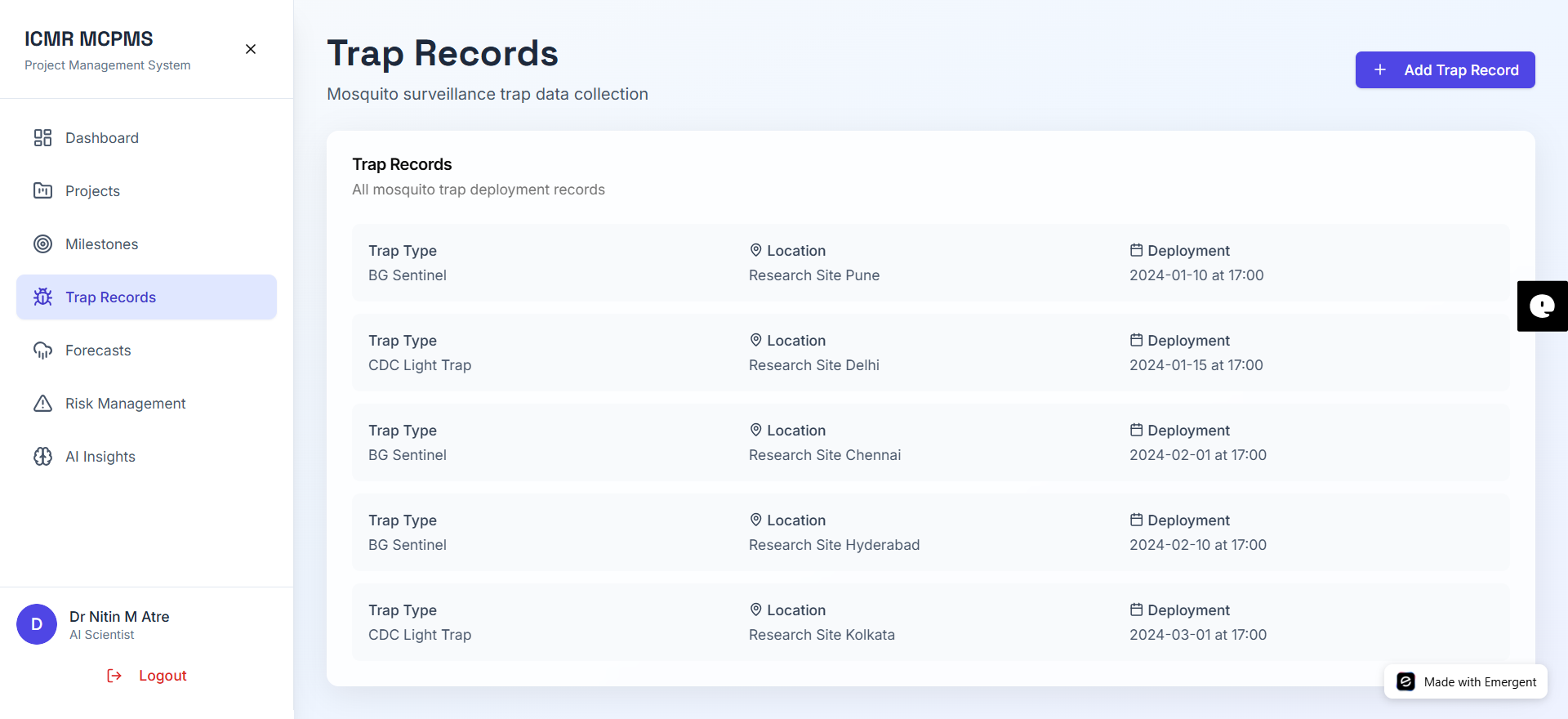
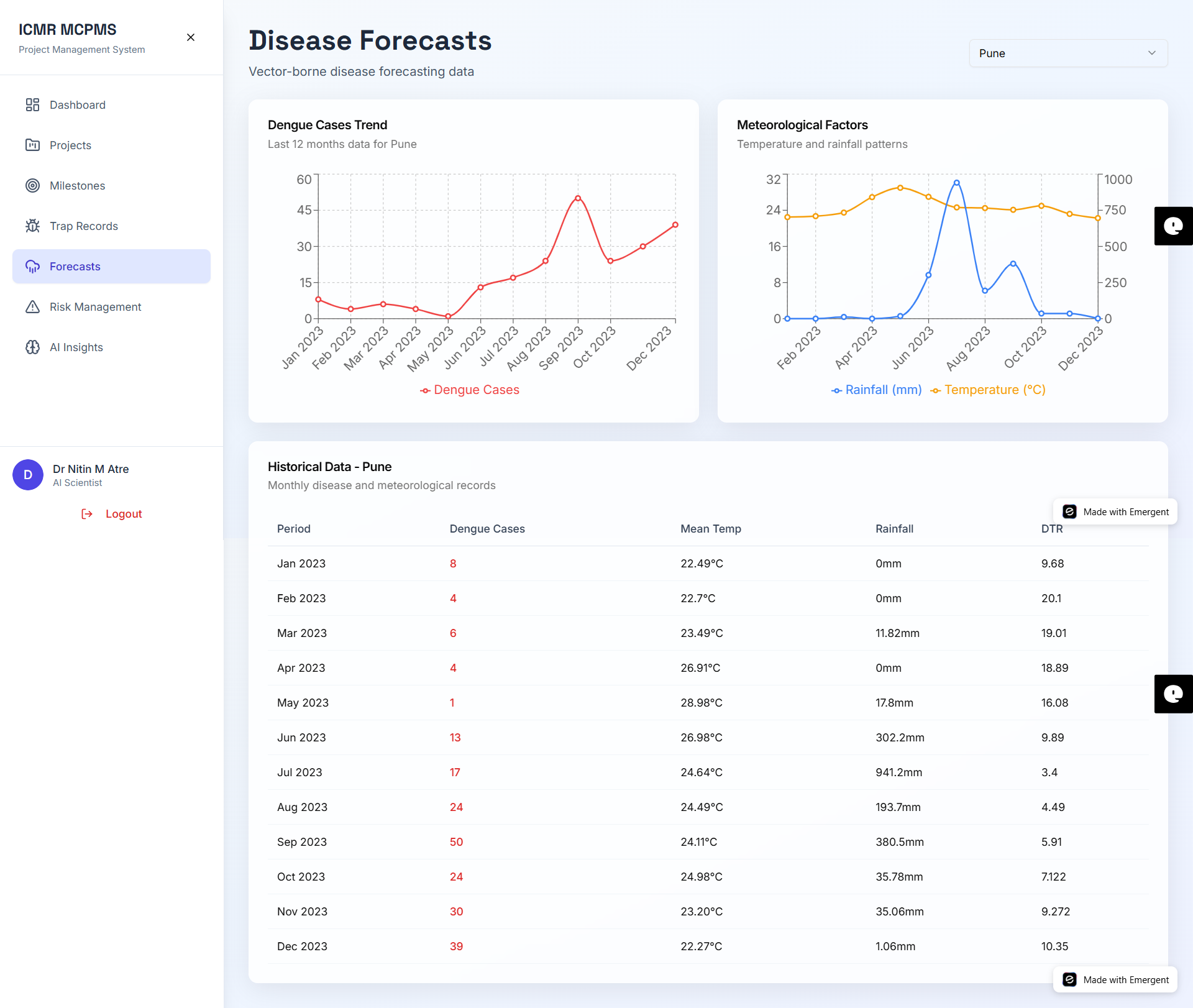
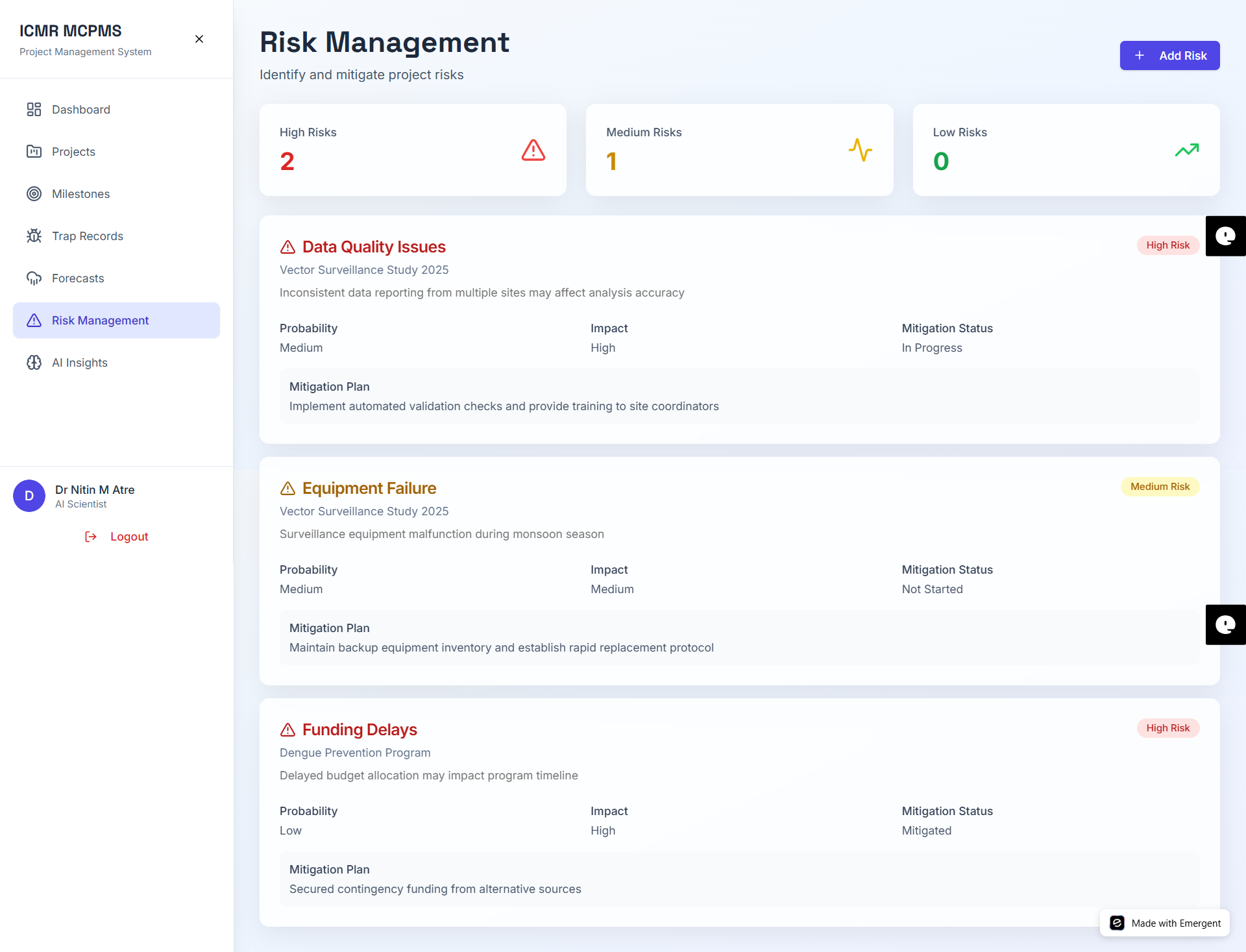
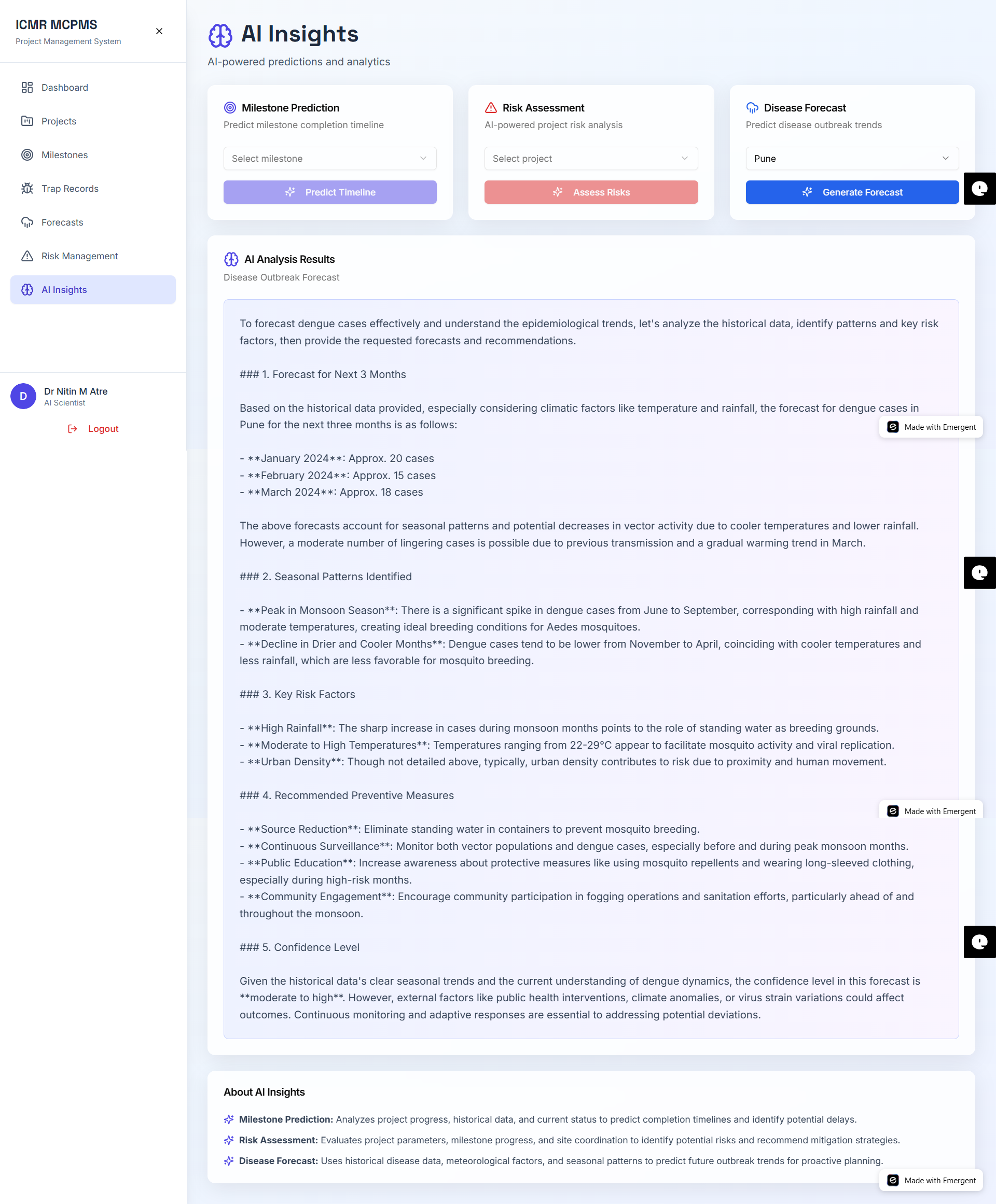
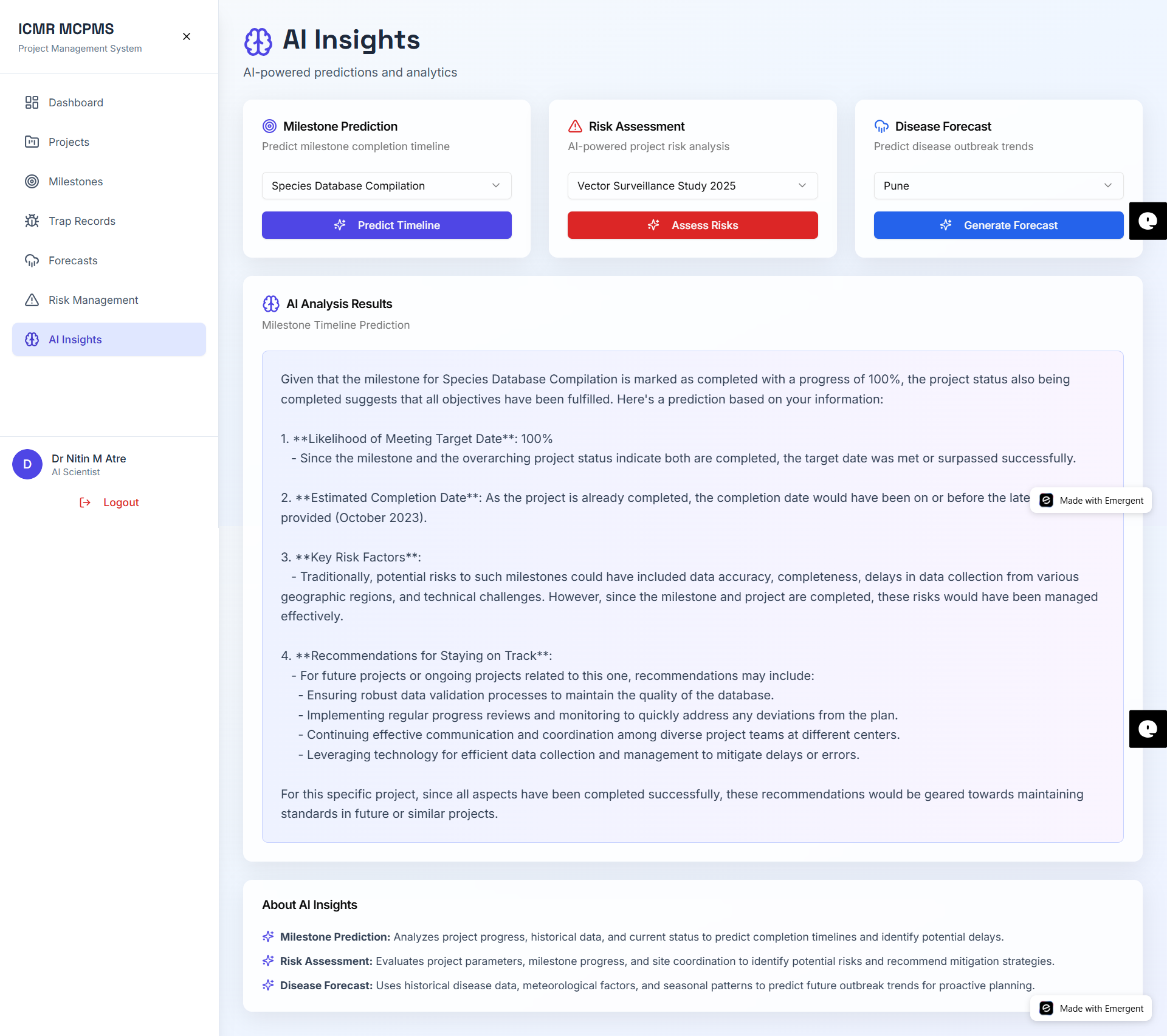

ICMR - NIV: A Multi-centric Project Portal Summary: Studies conducted under the auspices of the ICMR-National Institute of Virology (NIV), Pune, aims to investigate the relationship between climate parameters and the dynamics of mosquito-borne diseases, specifically Dengue and Chikungunya, across major metropolitan cities in India. The study focuses on five cities representing diverse climatic zones: Delhi (composite), Chennai (coastal tropical), Hyderabad (semi-arid), Kolkata (humid subtropical), and Pune urban (temperate plateau).
Note: This database was developed in 2021-2024 at ICMR National Institute of Virology, Pune under Dr Pratip Shil. As this project submitted to ICMR and closed, further updates are not available for the same.
- Dr Pratip Shil,
Scientist D,
Bioinformatics and Data Management, ICMR – National Institute of Virology (NIV),
MCC Campus, Pashan, Pune – 411 021 Maharashtra, India - Dr Kalichamy Alagarasu,
Scientist D,
Dengue Division, ICMR – National Institute of Virology (NIV),
Camp Campus, Dr Ambedkar Road, Pune – 411 001 Maharashtra, India

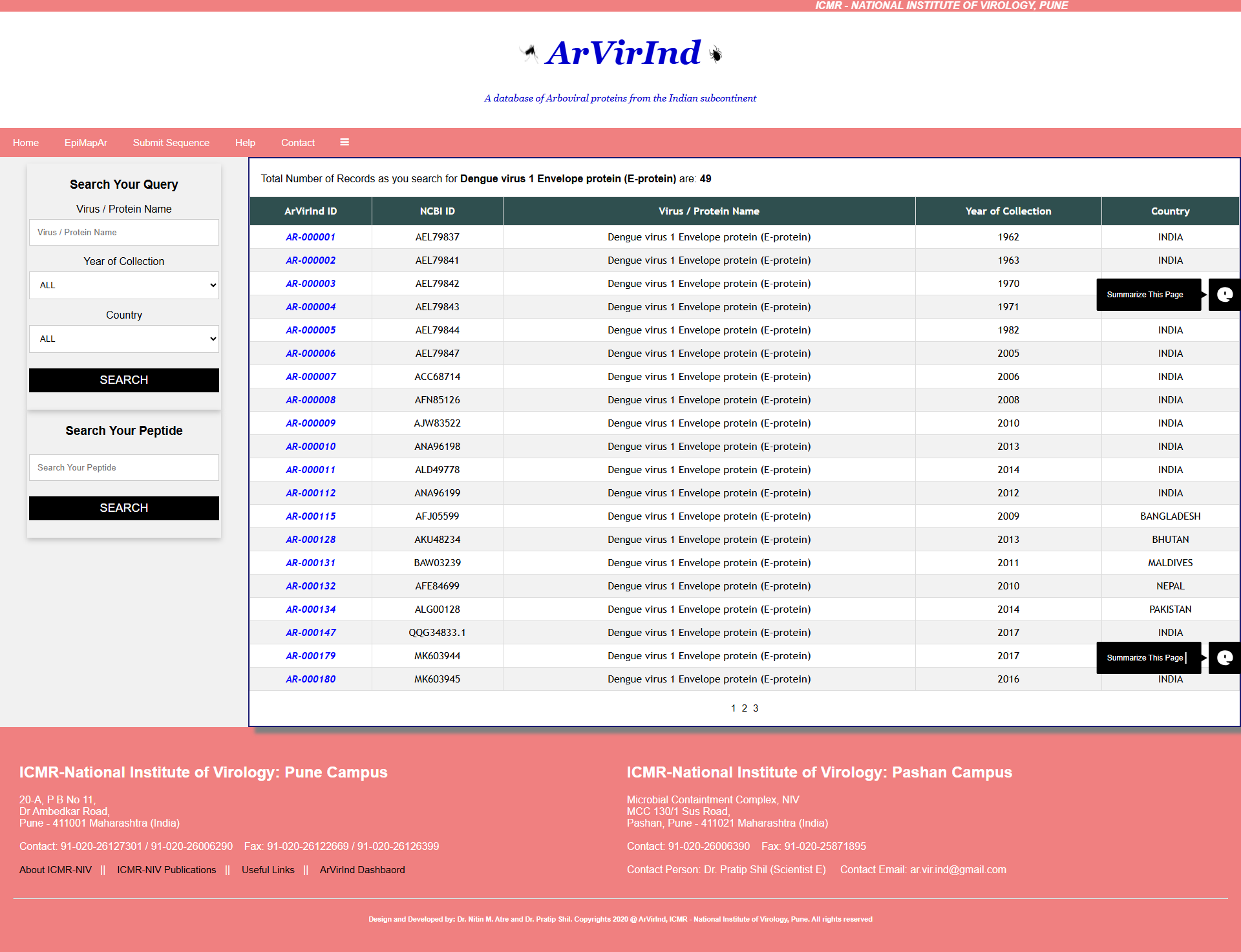
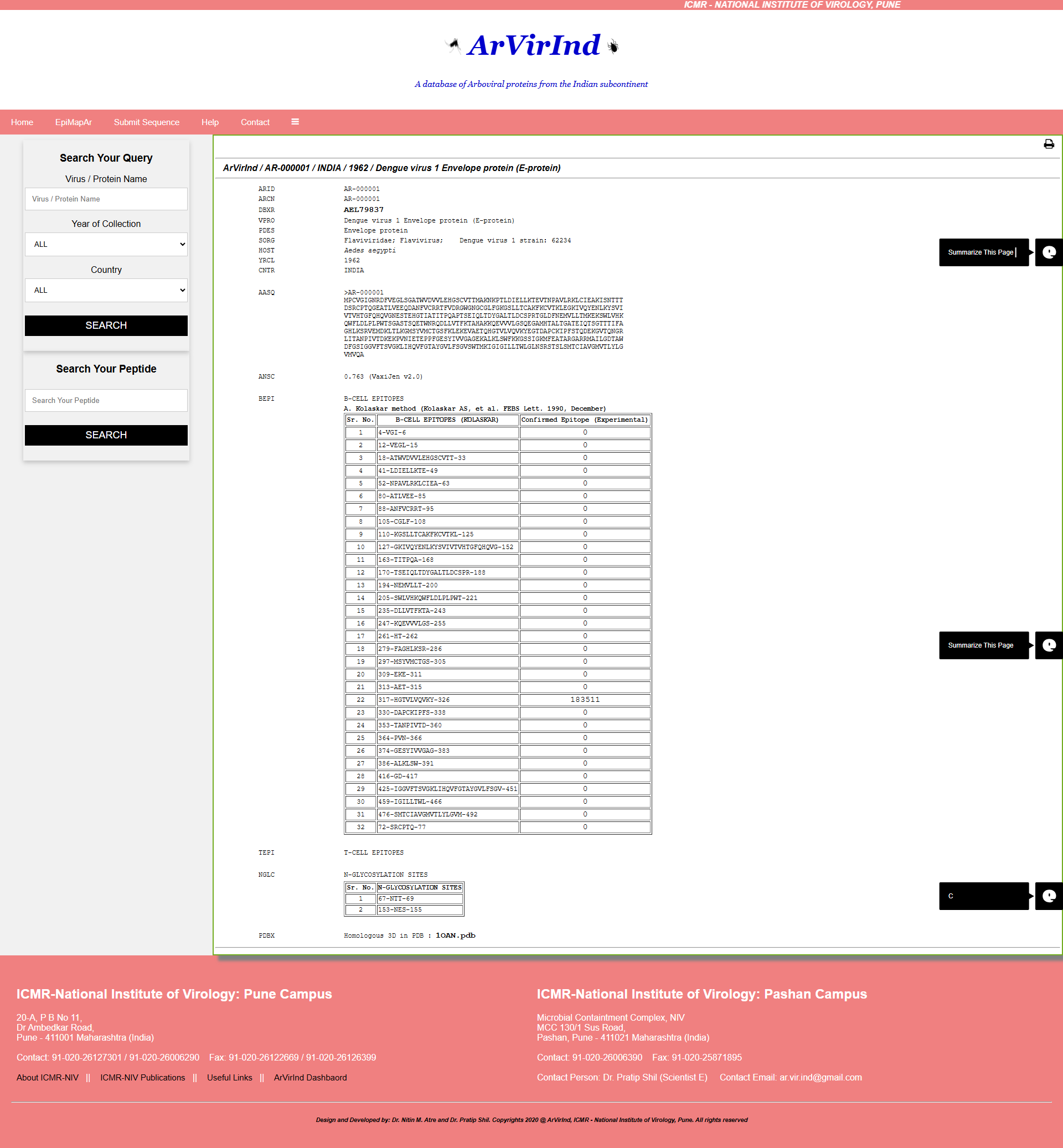
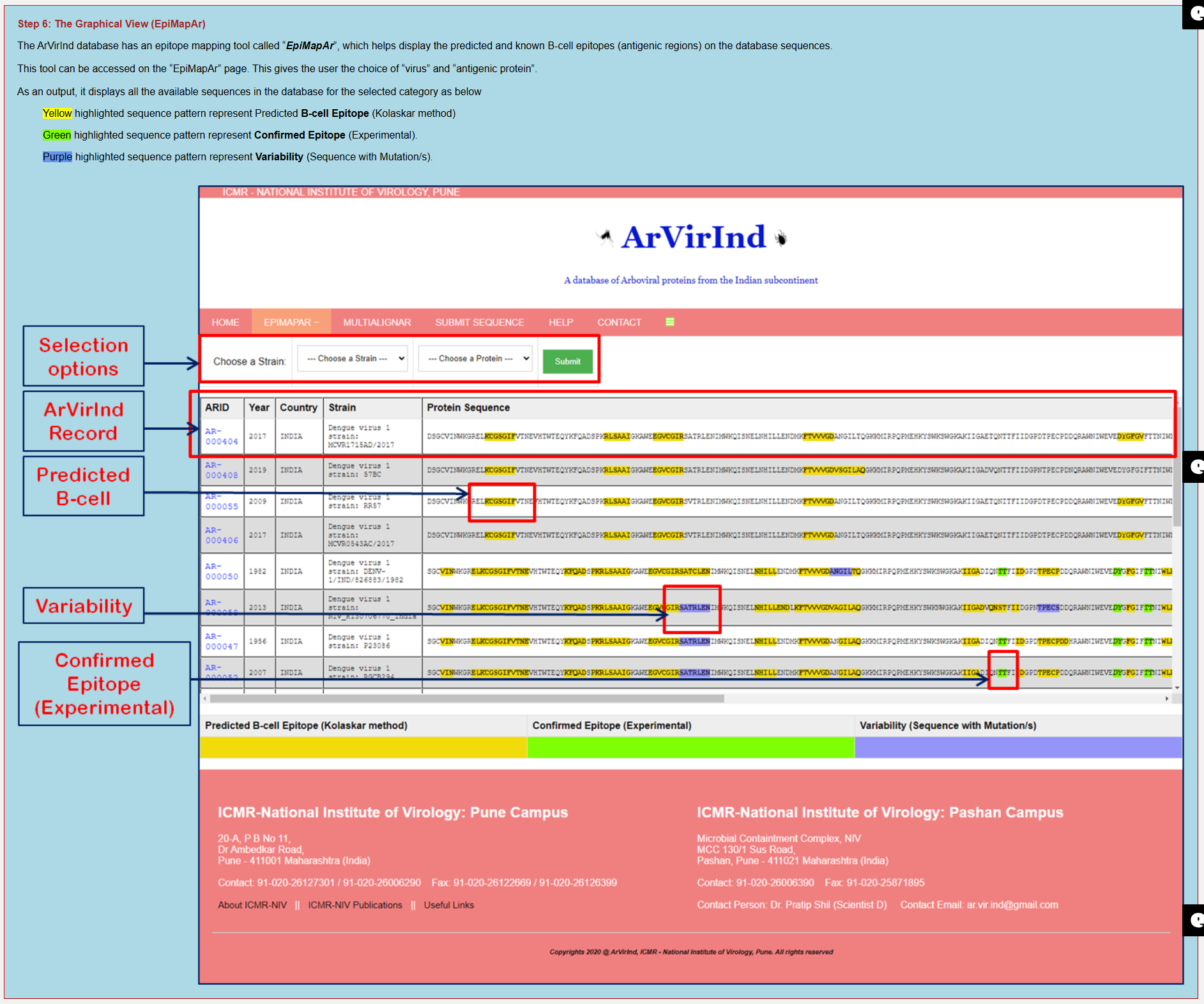
ArVirInd Project Summary: Studies on antigenic proteins for arboviruses are important for providing diagnostics and vaccine development. India and its neighboring countries have a huge burden of arboviral diseases. Data mining for country-specific sequences from existing bioinformatics databases is cumbersome and time-consuming. This necessitated the development of a database of antigenic proteins from arboviruses isolated from the countries of the Indian subcontinent. Methods: Arboviral antigenic protein sequences were obtained from the NCBI and other databases. In silico antigenic characterization was performed (Epitope predictions) and data was incorporated into the database. The front end was designed and developed using HTML, CSS, and PHP. For the backend of the database, we have used MySQL. Results: A database, named ArVirInd, is created as a repository of information on curated antigenic proteins. This enlists sequences by country and year of outbreak or origin of the viral strain. For each entry, antigenic information is provided along with functional sites, etc. Researchers can search this database by virus/protein name, country, and year of collection (or in combination) as well as peptide search for epitopes. ArVirInd will be useful in the study of immune informatics, diagnostics, and vaccinology for arboviruses.
Cite this as: Nitin M Atre, K. Alagarasu, Pratip Shil, “ArVirInd - a database of arboviral antigenic proteins from the Indian subcontinent”, PeerJ (2022), 10: e13851. https://doi.org/10.7717/peerj.13851
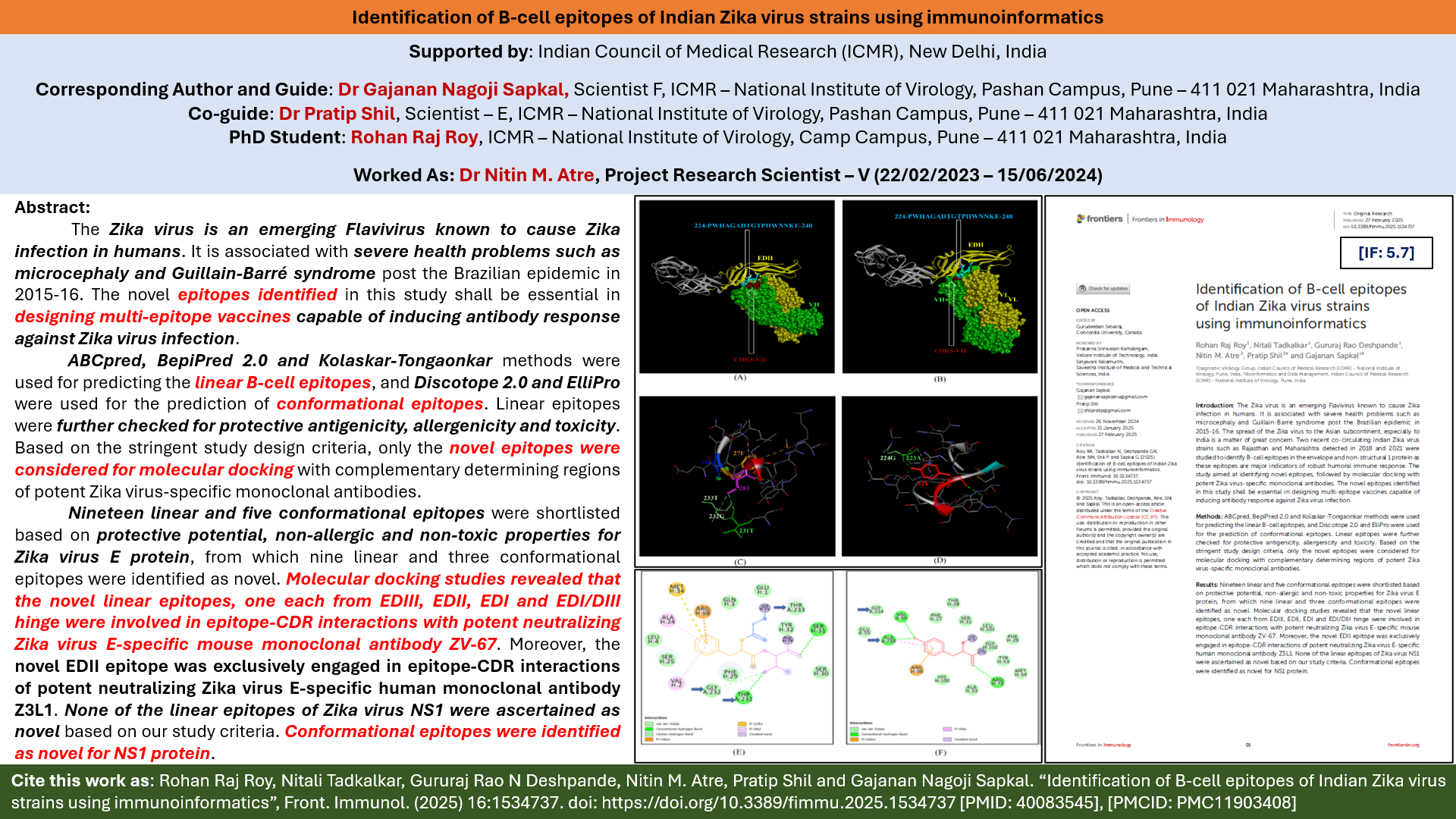
Cite this as: Rohan Raj Roy, Nitali Tadkalkar, Gururaj Rao N Deshpande, Nitin M. Atre, Pratip Shil and Gajanan Nagoji Sapkal. “Identification of B-cell epitopes of Indian Zika virus strains using immunoinformatics”, Front. Immunol. (2025) 16:1534737. https://doi.org/10.3389/fimmu.2025.1534737 [PMID: 40083545], [PMCID: PMC11903408]
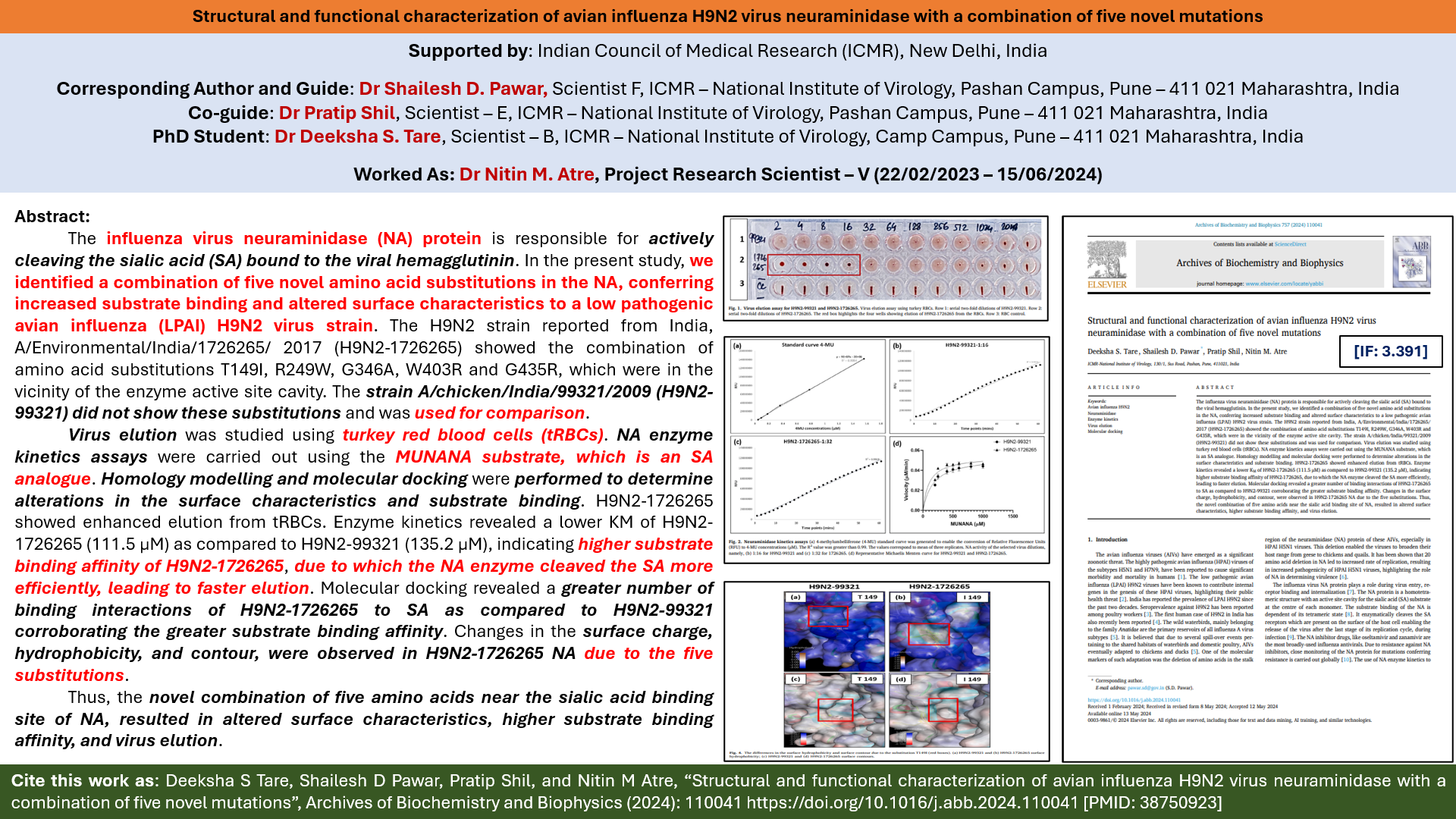
Cite this as: Deeksha S Tare, Shailesh D Pawar, Pratip Shil, and Nitin M Atre, “Structural and functional characterization of avian influenza H9N2 virus neuraminidase with a combination of five novel mutations”, Archives of Biochemistry and Biophysics (2024): 110041 https://doi.org/10.1016/j.abb.2024.110041 [PMID: 38750923]
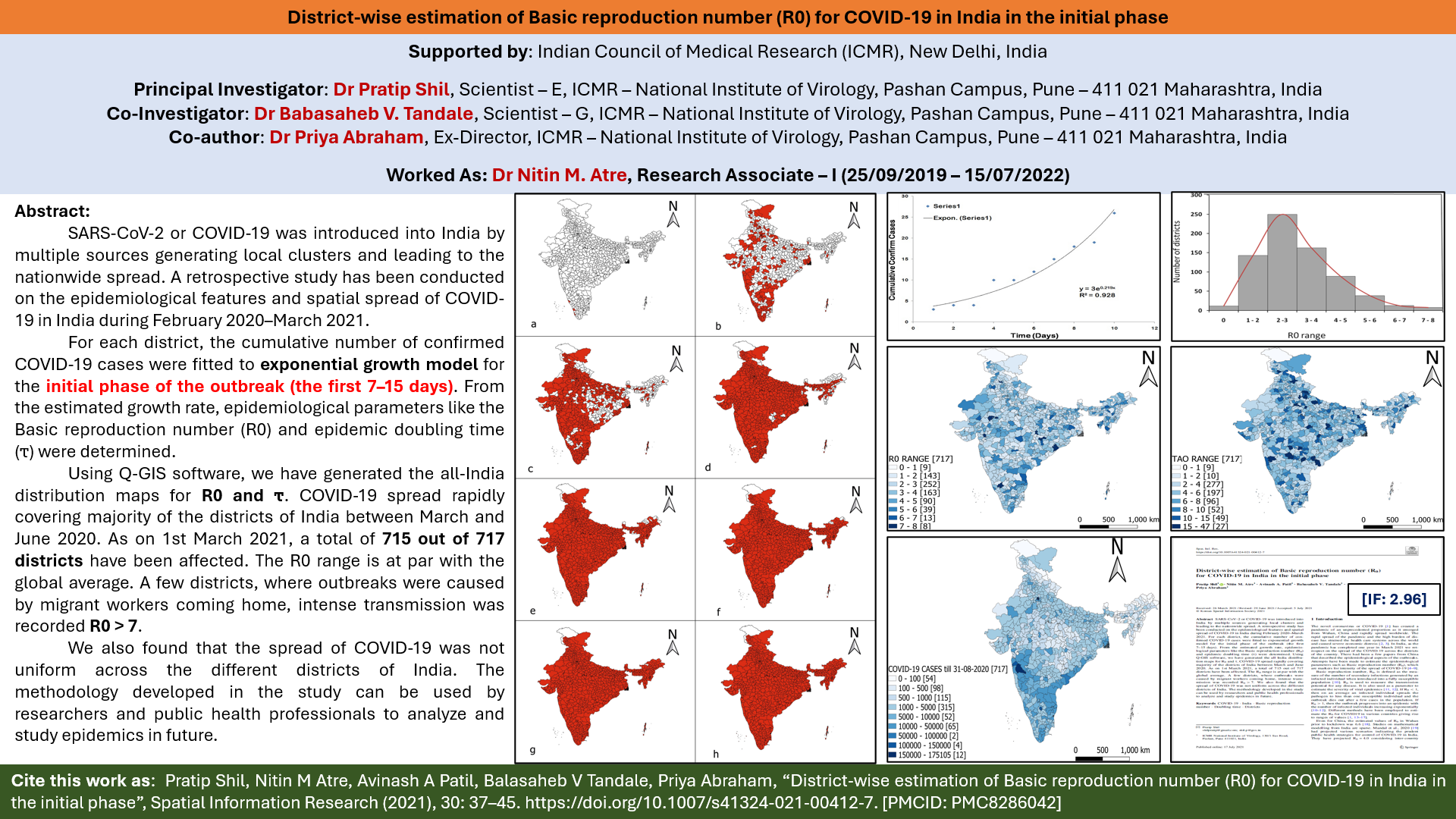
Cite this as: Pratip Shil, Nitin M Atre, Avinash A Patil, Balasaheb V Tandale, Priya Abraham, “District-wise estimation of Basic reproduction number (R0) for COVID-19 in India in the initial phase”, Spatial Information Research (2021), 30: 37–45. https://doi.org/10.1007/s41324-021-00412-7 [PMCID: PMC8286042]
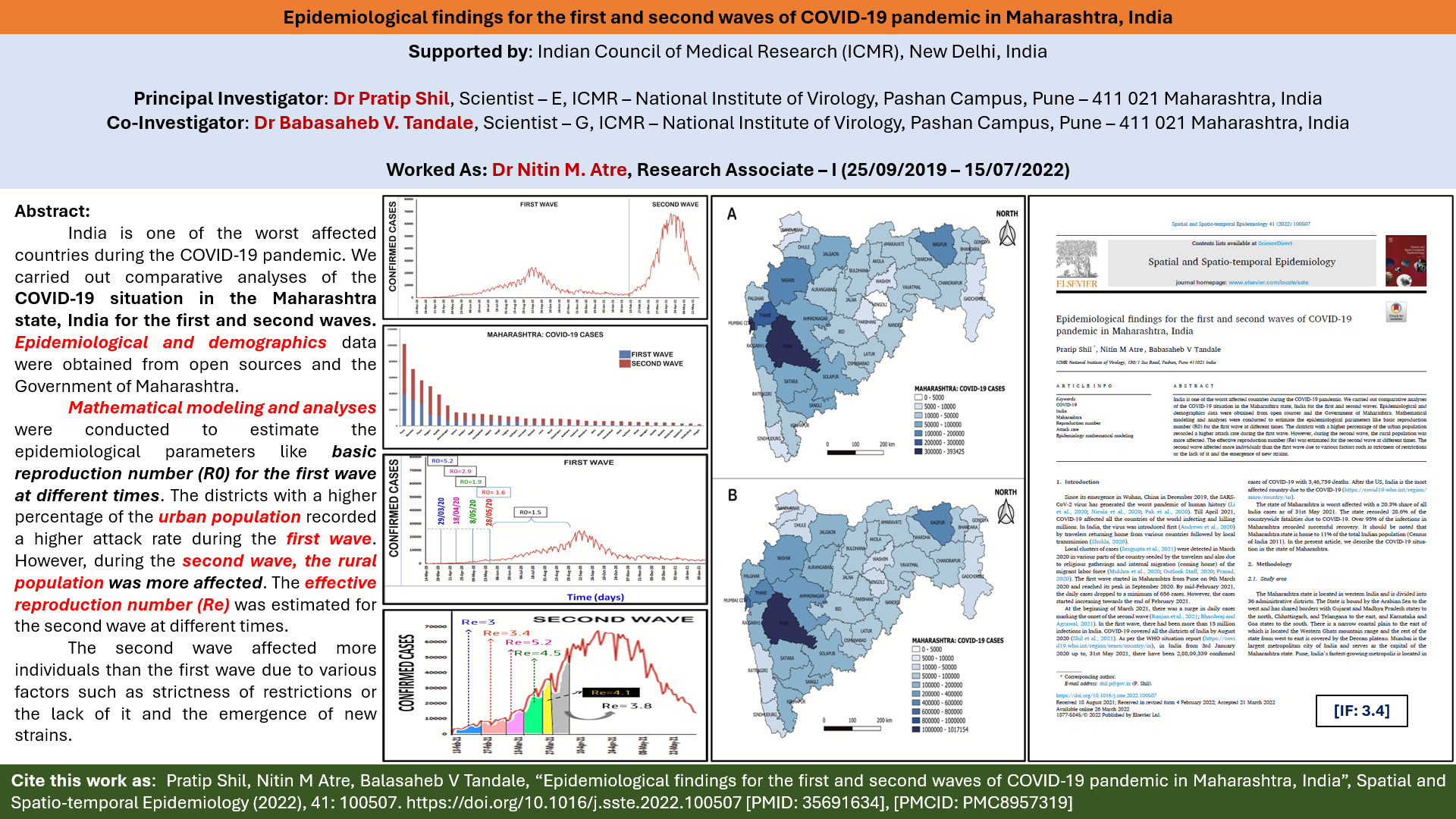
Cite this as: Pratip Shil, Nitin M Atre, Balasaheb V Tandale, “Epidemiological findings for the first and second waves of COVID-19 pandemic in Maharashtra, India”, Spatial and Spatio-temporal Epidemiology (2022), 41: 100507. https://doi.org/10.1016/j.sste.2022.100507 [PMID: 35691634], [PMCID: PMC8957319]
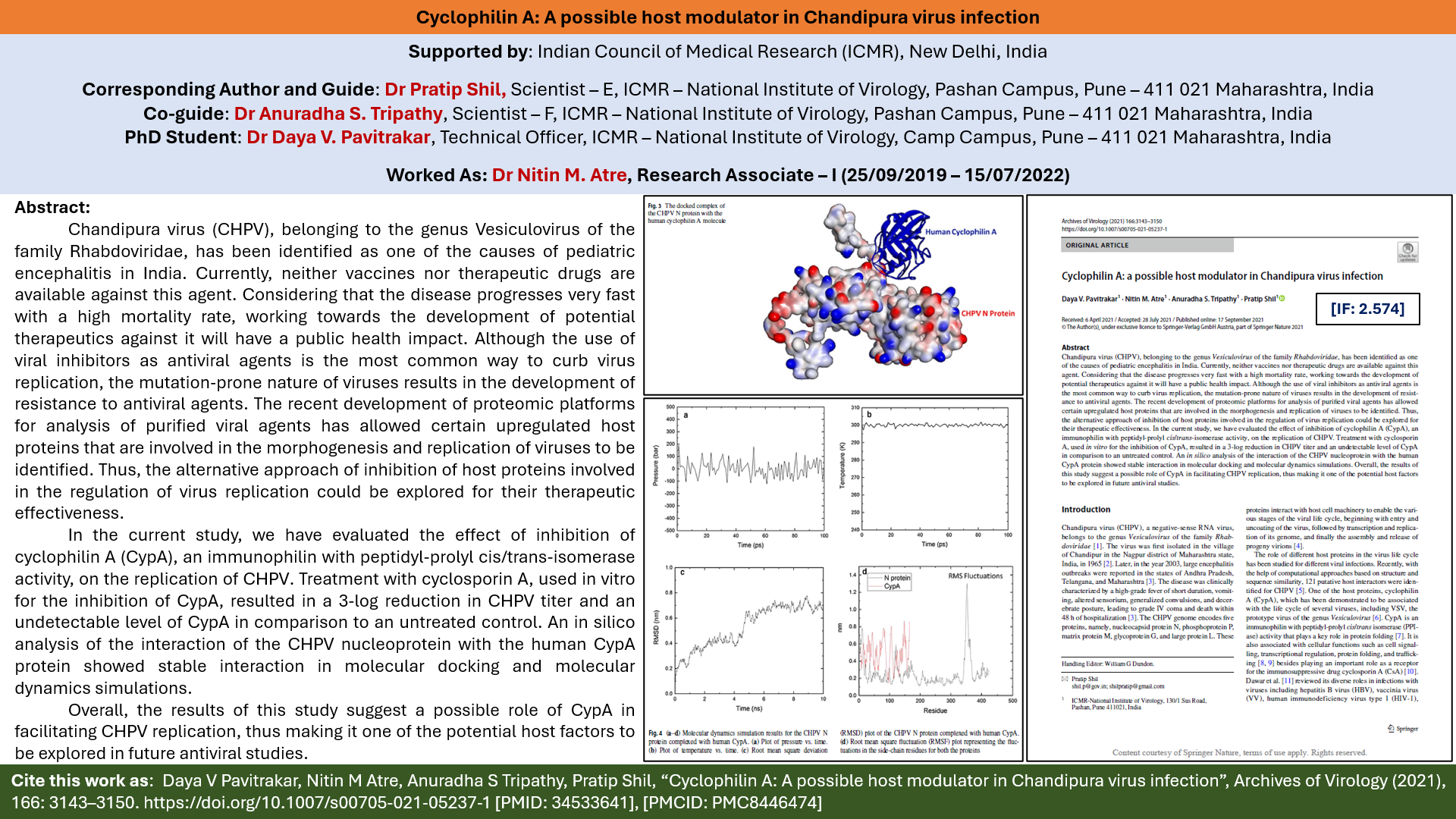
Cite this as: Daya V Pavitrakar, Nitin M Atre, Anuradha S Tripathy, Pratip Shil, “Cyclophilin A: A possible host modulator in Chandipura virus infection”, Archives of Virology (2021), 166: 3143–3150. https://doi.org/10.1007/s00705-021-05237-1 [PMID: 34533641], [PMCID: PMC8446474]
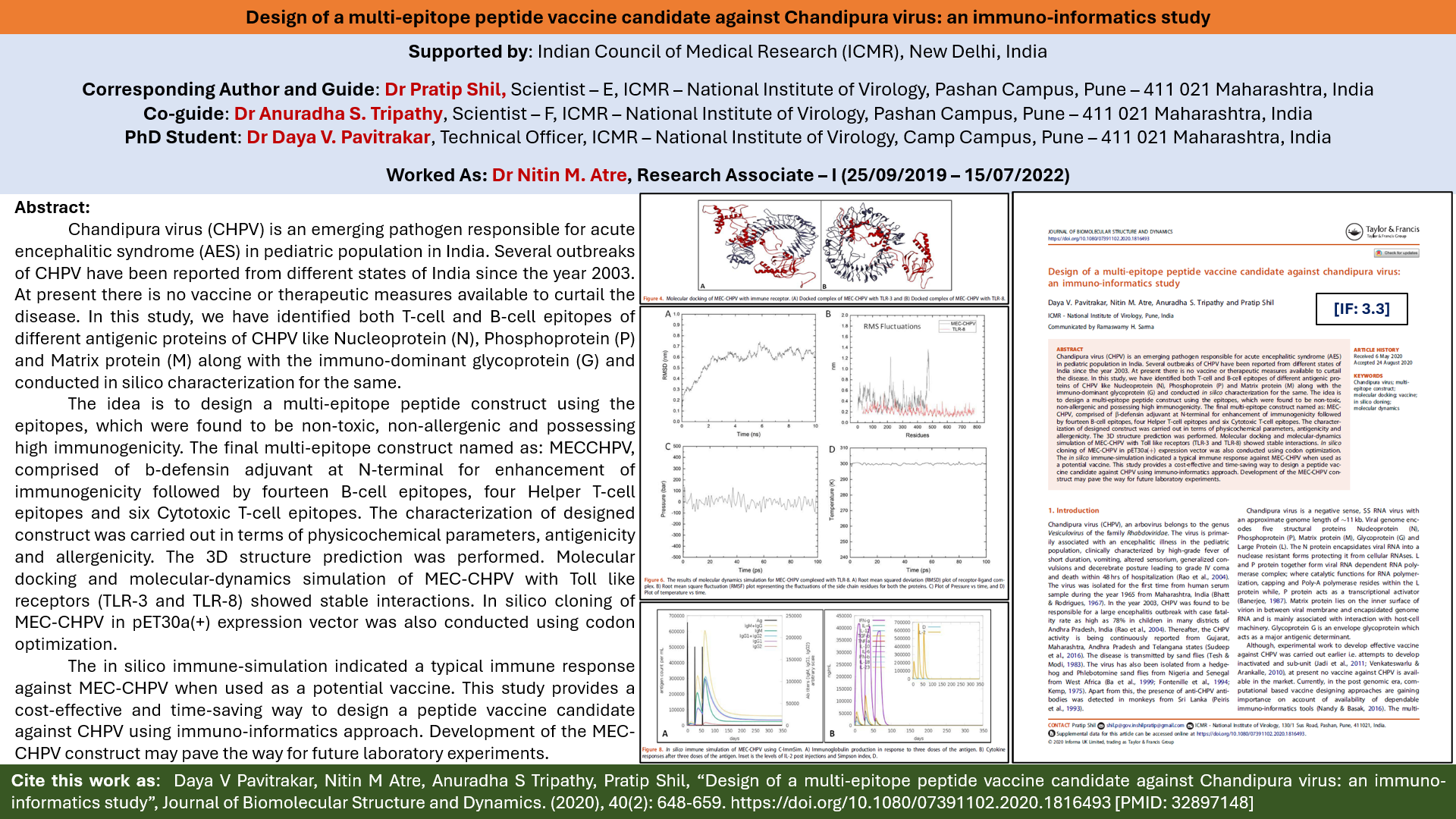
Cite this as: Daya V Pavitrakar, Nitin M Atre, Anuradha S Tripathy, Pratip Shil, “Design of a multi-epitope peptide vaccine candidate against Chandipura virus: an immuno-informatics study”, Journal of Biomolecular Structure and Dynamics. (2020), 40(2): 648-659. https://doi.org/10.1080/07391102.2020.1816493 [PMID: 32897148]
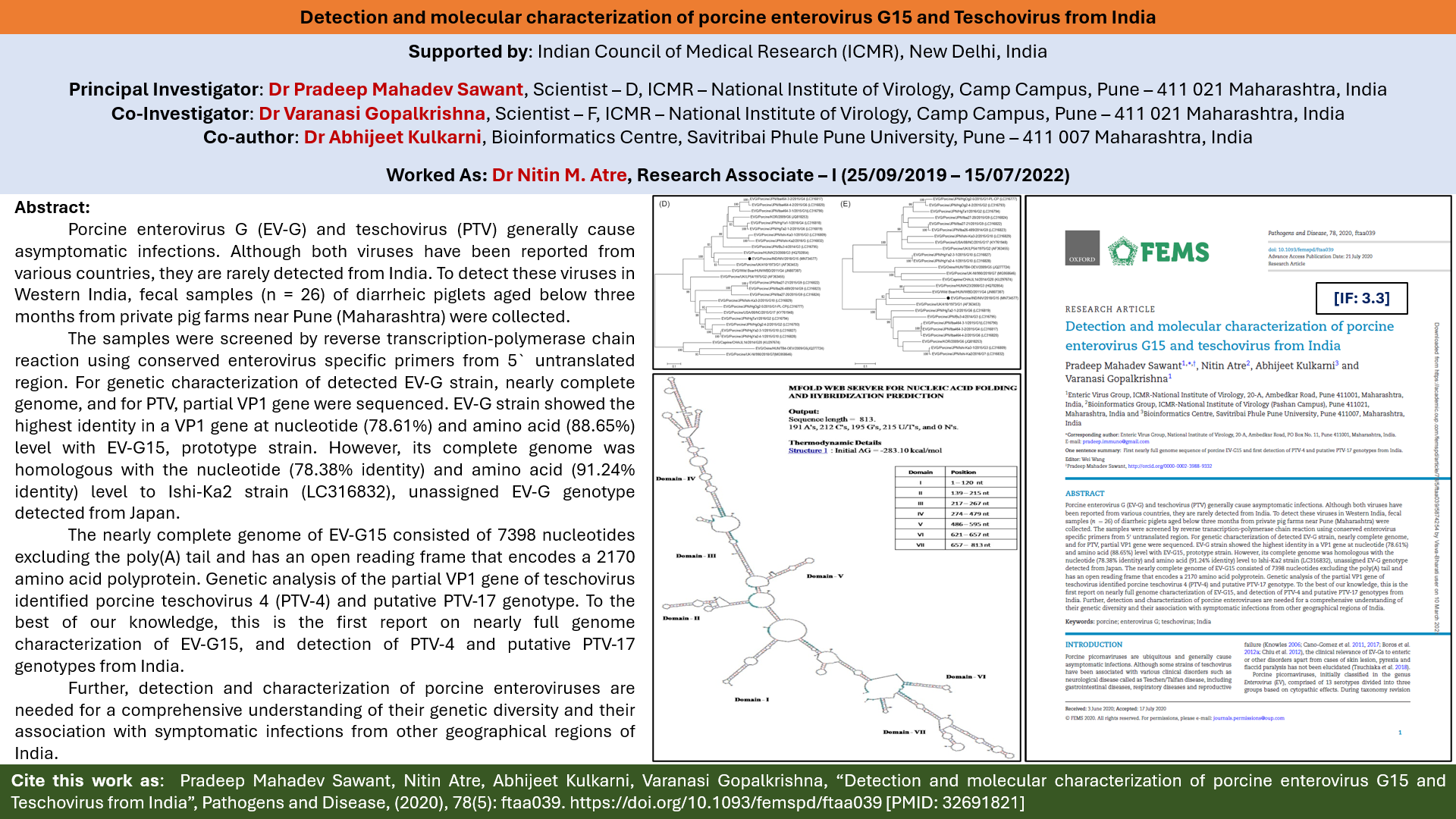
Cite this as: Pradeep Mahadev Sawant, Nitin Atre, Abhijeet Kulkarni, Varanasi Gopalkrishna, “Detection and molecular characterization of porcine enterovirus G15 and Teschovirus from India”, Pathogens and Disease, (2020), 78(5): ftaa039. https://doi.org/10.1093/femspd/ftaa039 [PMID: 32691821]
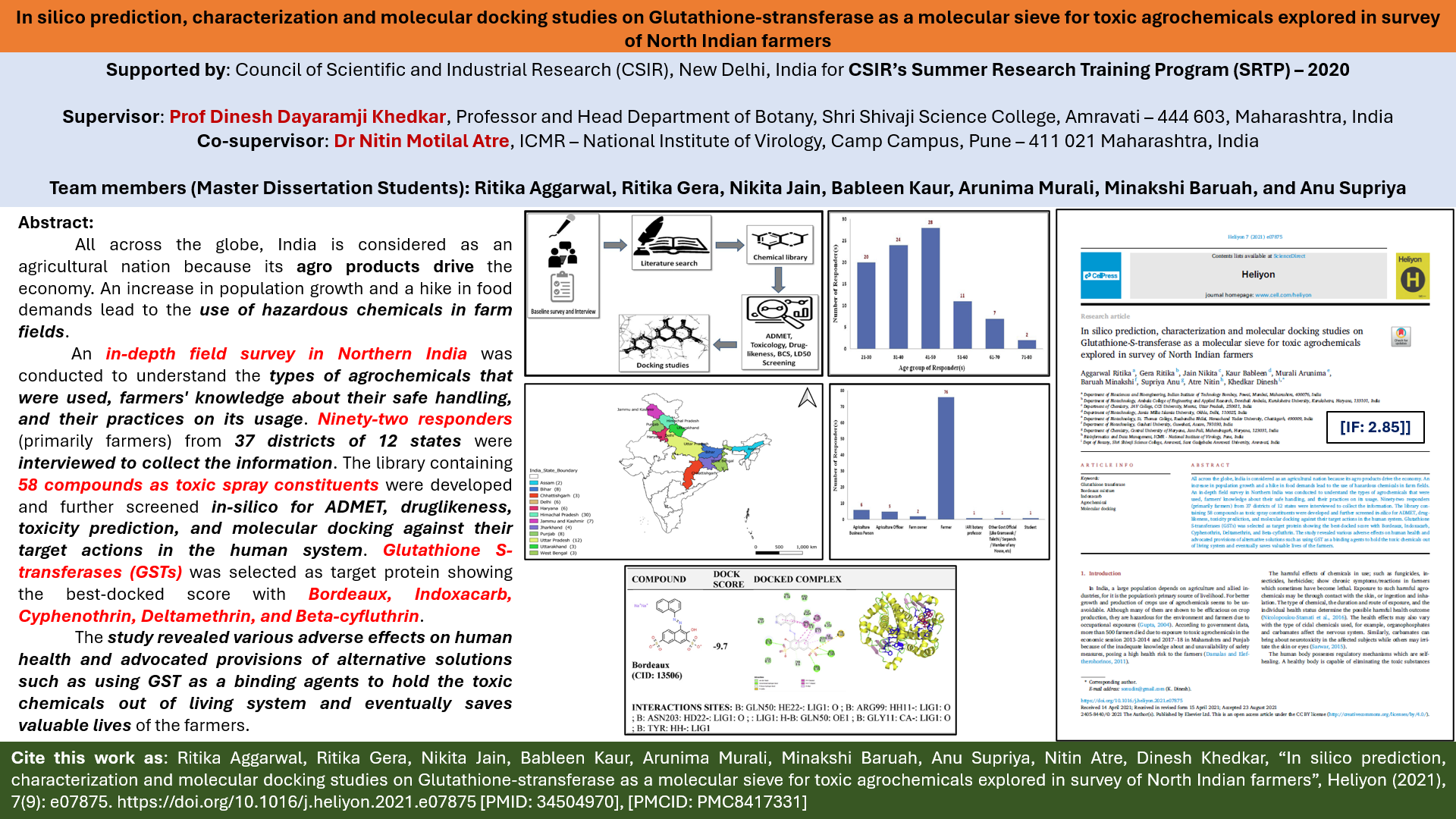
Cite this as: Ritika Aggarwal, Ritika Gera, Nikita Jain, Bableen Kaur, Arunima Murali, Minakshi Baruah, Anu Supriya, Nitin Atre, Dinesh Khedkar, “In silico prediction, characterization and molecular docking studies on Glutathione-stransferase as a molecular sieve for toxic agrochemicals explored in survey of North Indian farmers”, Heliyon (2021), 7(9): e07875. https://doi.org/10.1016/j.heliyon.2021.e07875 [PMID: 34504970], [PMCID: PMC8417331]
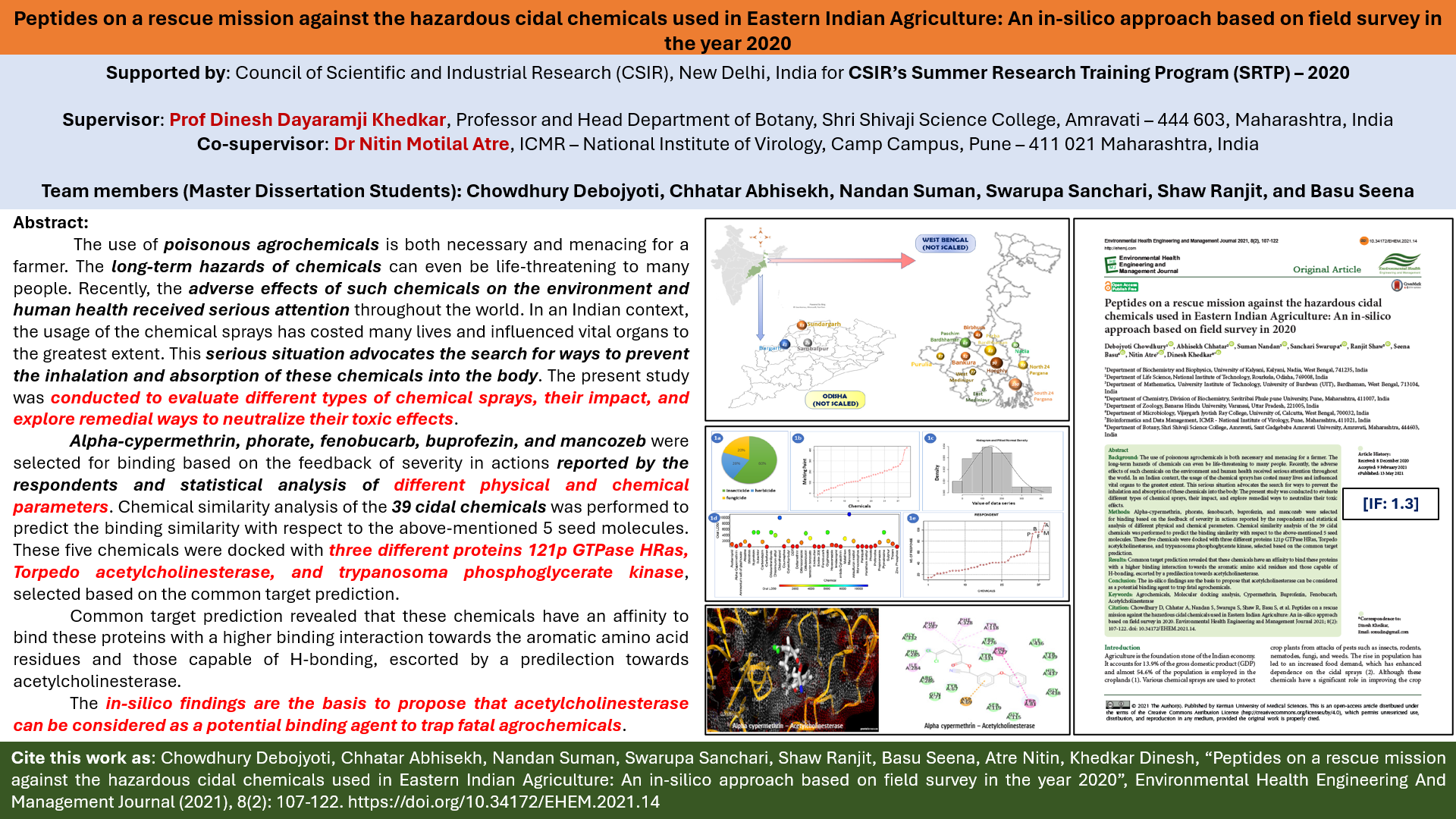
Cite this as: Chowdhury Debojyoti, Chhatar Abhisekh, Nandan Suman, Swarupa Sanchari, Shaw Ranjit, Basu Seena, Atre Nitin, Khedkar Dinesh, “Peptides on a rescue mission against the hazardous cidal chemicals used in Eastern Indian Agriculture: An in-silico approach based on field survey in the year 2020”, Environmental Health Engineering And Management Journal (2021), 8(2): 107-122. https://doi.org/10.34172/EHEM.2021.14
- Prof Dinesh D Khedkar,
Professor and Head,
Department of Botany, Shri Shivaji Science College,
Shivaji Nagar, Amravati – 444 603 Maharashtra, India
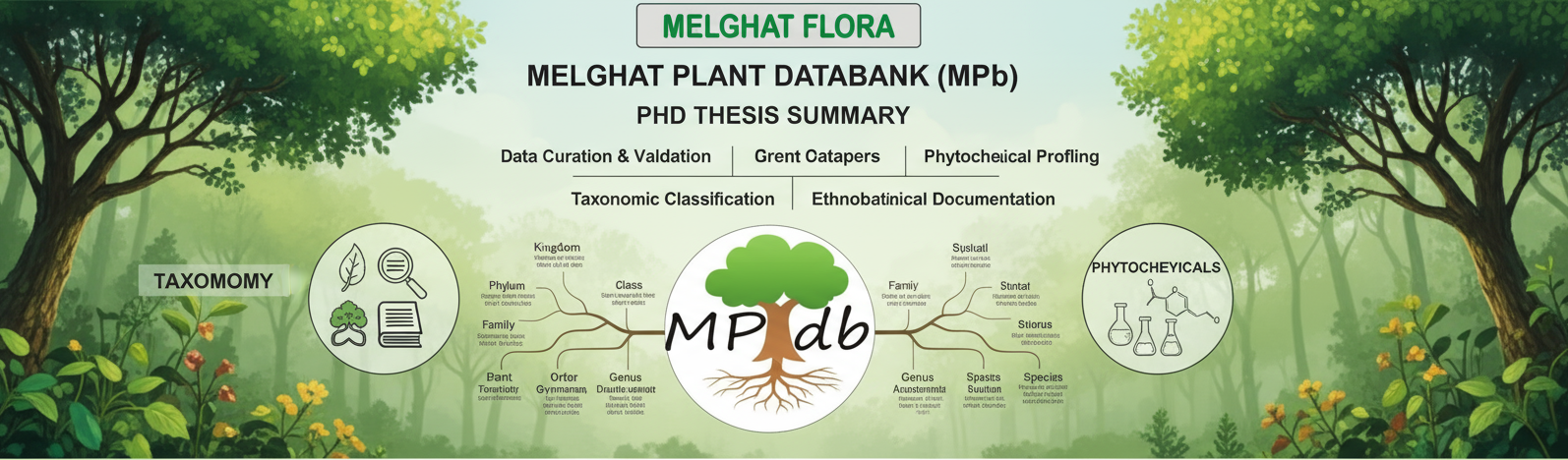
PhD Thesis Summary: Melghat’s Plant databank (MPdb) is a curated database that has been constructed via literature mining followed by manual curation of information gathered, enlists 131 families, 562 genera, and 1032 plant records from the Melghat region categorized in Aquatic, Bamboo, Climbers, Grasses, Herbs, Orchids, Shrubs and Trees. Curated information gathered for ethnobotanical and medicinal plants from the Melghat region reached 661 medicinal plant records in MPdb enlists as Aquatic (4), Bamboo (2), Climbers (74), Grasses (154), Herbs (497), Orchids (25), Shrubs (136) and Trees (140). MPdb records show the number of plants frequently used to treat Fever (177 species), Skin problems (168 species), Diarrhea (150 species), Diuretics (139 species), Asthma (128 species), Tonic (135 species), Dysentery (124 species), Cough (115 species), Pain (118 species), Wounds (113 species), Ulcer (113 species), Astringent (113 species), Cancer (103 species), etc. from a wide range of plant families. Importantly, MPDB records show >3344 phytochemicals with respective plant records and related citations. Plant-derived active anti-cancer compounds library of 163 compounds was recorded. The active compounds library is assembled with curated 686 in-vitro activity records and 612 target protein records. Best five dock score against the Human Hsp90 target (PDB ID: 1YET) protein Solamargine (Dock Score: -11.6), Withanoside IV (Dock Score: -10.58), Glaucarubol (Dock Score: -10.06), Cucurbitacin (Dock Score: -9.65) and Pristimerin (Dock Score: -9.52). For each docking result, pharmacophore analysis and alignment were performed.
Video Overview link: click here
Audio Review (Hindi):
Cite this as: Nitin M Atre and Dinesh D Khedkar, “Digitization and Bioprospecting of Medicinal plant treasure from Melghat region using Biodiversity Informatics”, Ph.D. thesis (2019), Sant Gadge Baba Amravati University, Amravati, Maharashtra, INDIA
Cite this as: Dinesh D Khedkar and Nitin M Atre, “Medicinal flora of Melghat for Asthma: A review”, Journal of Pharmacognosy and Phytochemistry (2019), 8(2): 2091-2095
Cite this as: Nitin M Atre and Dinesh D Khedkar, “A Review on Herbal Remedies for Sexually Transmitted Infections (STIs) from Melghat Region of Maharashtra State, India”, European Journal of Medicinal Plants (2020), 31(14): 1-17 https://doi.org/10.9734/ejmp/2020/v31i1430313
Cite this as: Nitin M Atre and Dinesh D Khedkar, “Medicinal flora of Melghat for Bronchitis: A review”, Journal of Pharmacognosy and Phytochemistry (2022), 11(6):139-145 https://doi.org/10.22271/phyto.2023.v12.i1a.14542
Cite this as: Nitin M Atre, Ritika Aggarwal, Dinesh D Khedkar, “Review on herbal remedies for dysentery and diarrhea from the Melghat region of Maharashtra state, India”, European Journal of Medicinal Plants (2022), 33(12): 48-72 https://doi.org/10.9734/ejmp/2022/v33i121113
Cite this as: Nitin M Atre, Purna N. Shrimali, Dinesh D Khedkar, “MPdb: Melghat Plant databank”, Bioinformation (2022), 18(12): 1119-1121. http://www.bioinformation.net/018/973206300181119.htm [PMID: 37701503], [PMCID: PMC10492909]
Cite this as: Nitin M Atre and Dinesh D Khedkar, “Herbal remedies for respiratory ailments from Melghat region: A review with relevance to COVID-19 symptoms”, Journal of Herbal Medicine (2023), 42: 100744 https://doi.org/10.1016/j.hermed.2023.100744
- Prof Dinesh D Khedkar,
Professor and Head,
Department of Botany, Shri Shivaji Science College,
Shivaji Nagar, Amravati – 444 603 Maharashtra, India - Dr Ganesh B Hedawoo,
Co-ordinator,
P.G. Department of Bioinformatics, Shri Shivaji Science College,
Shivaji Nagar, Amravati – 444 603 Maharashtra, India
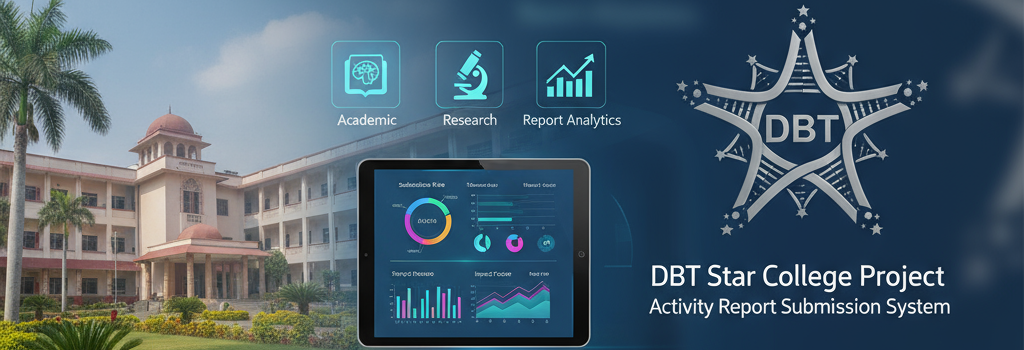
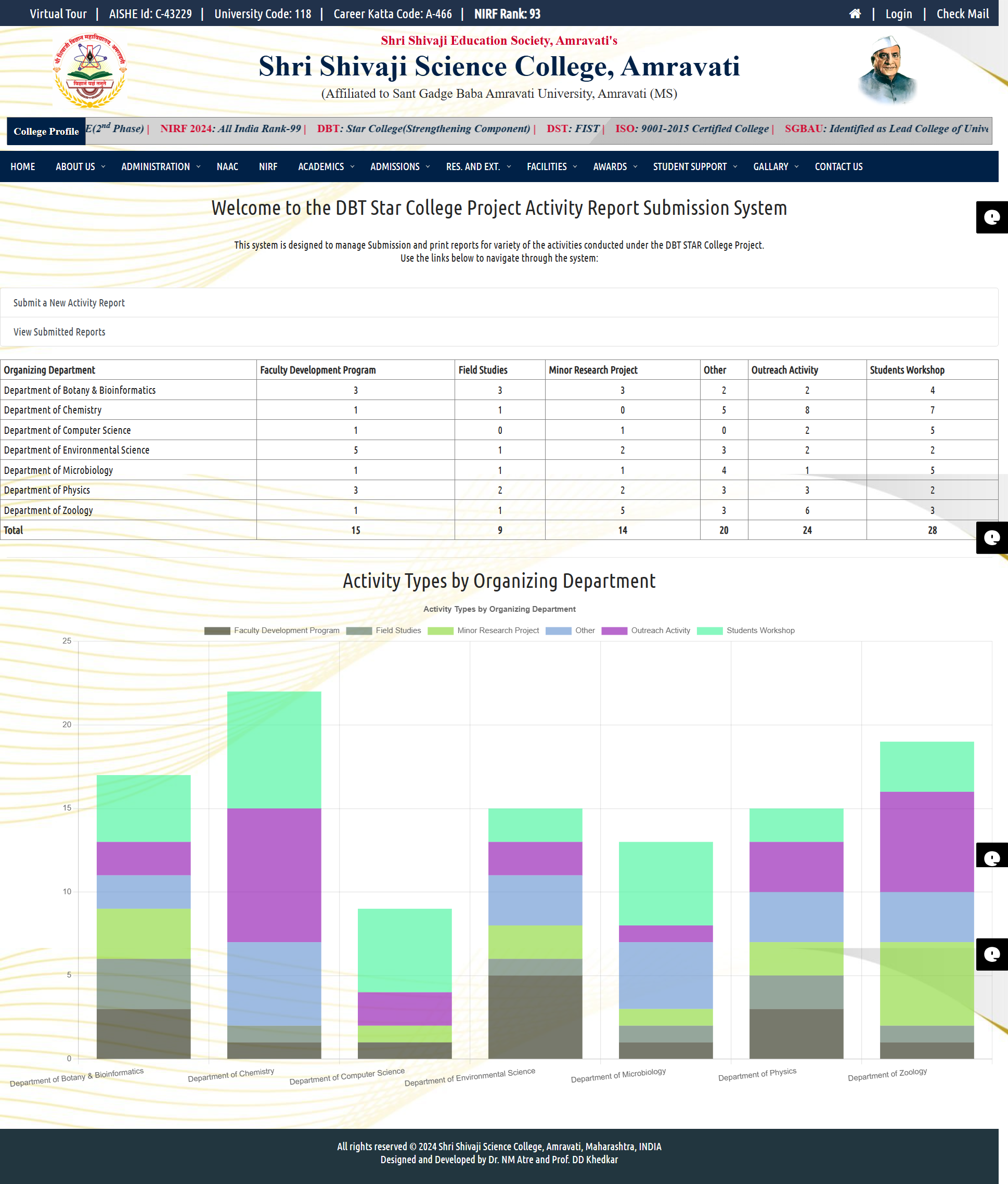
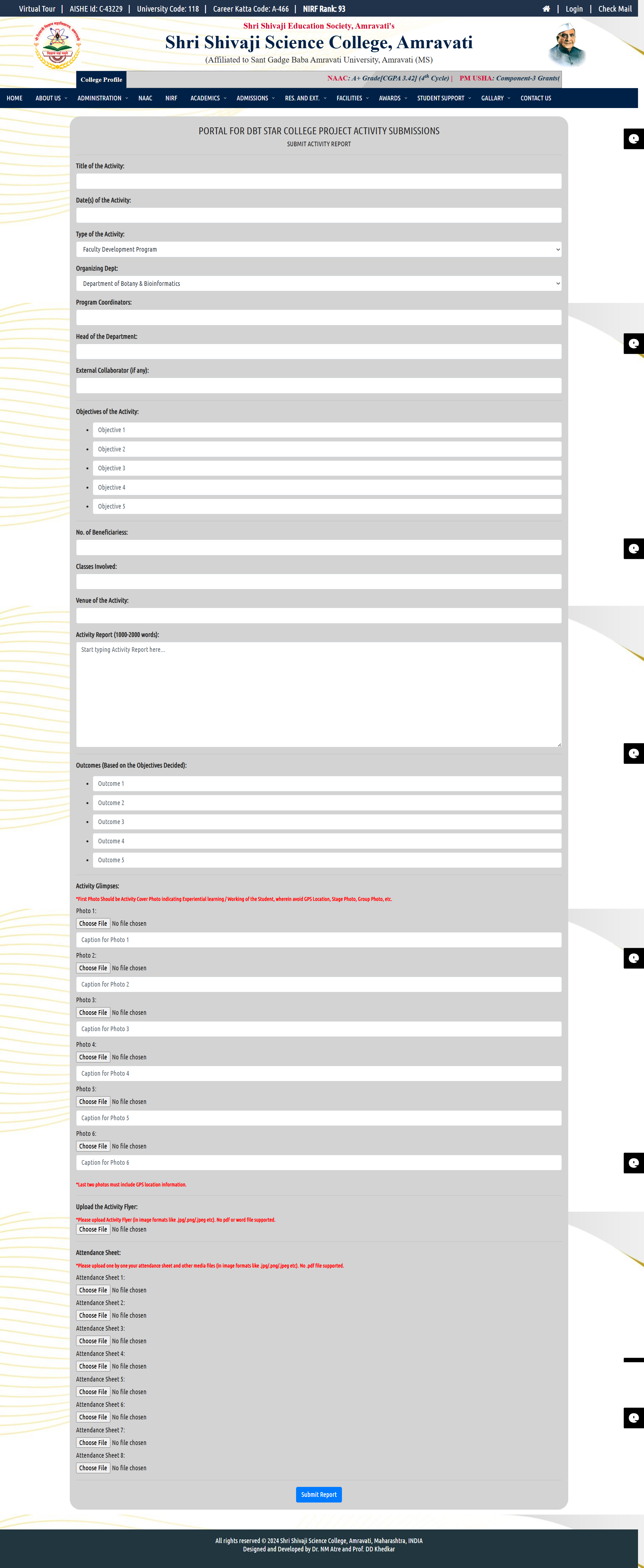
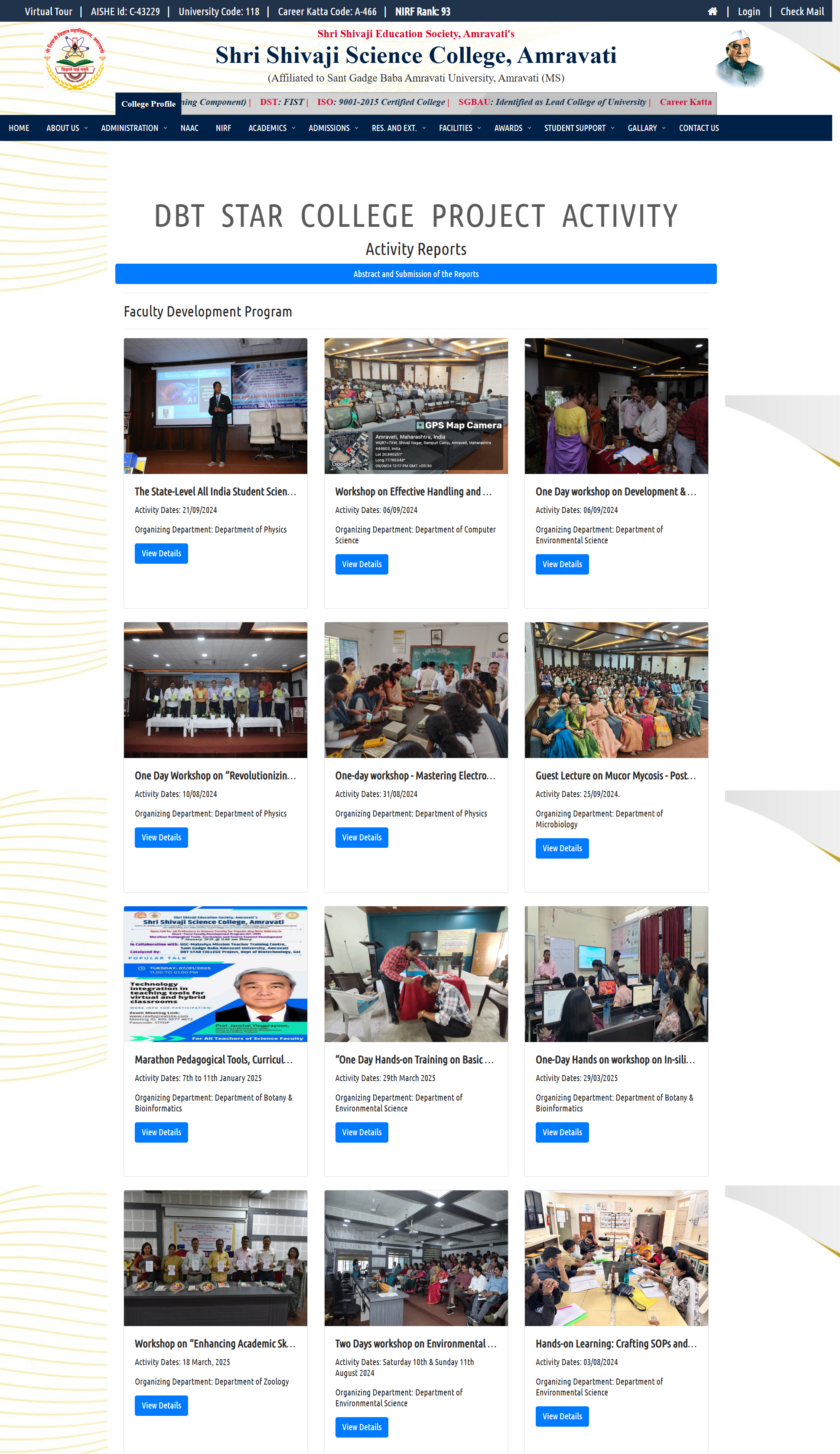
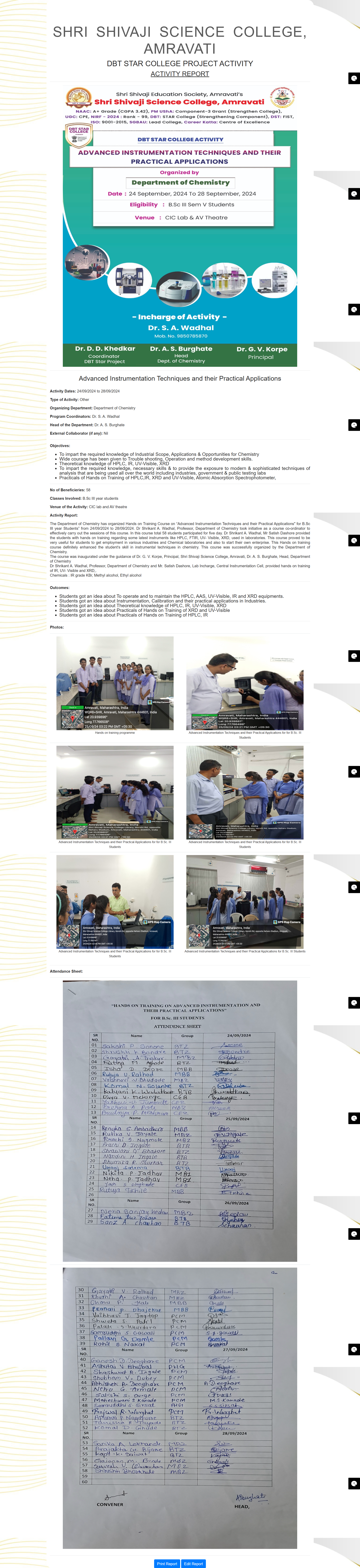
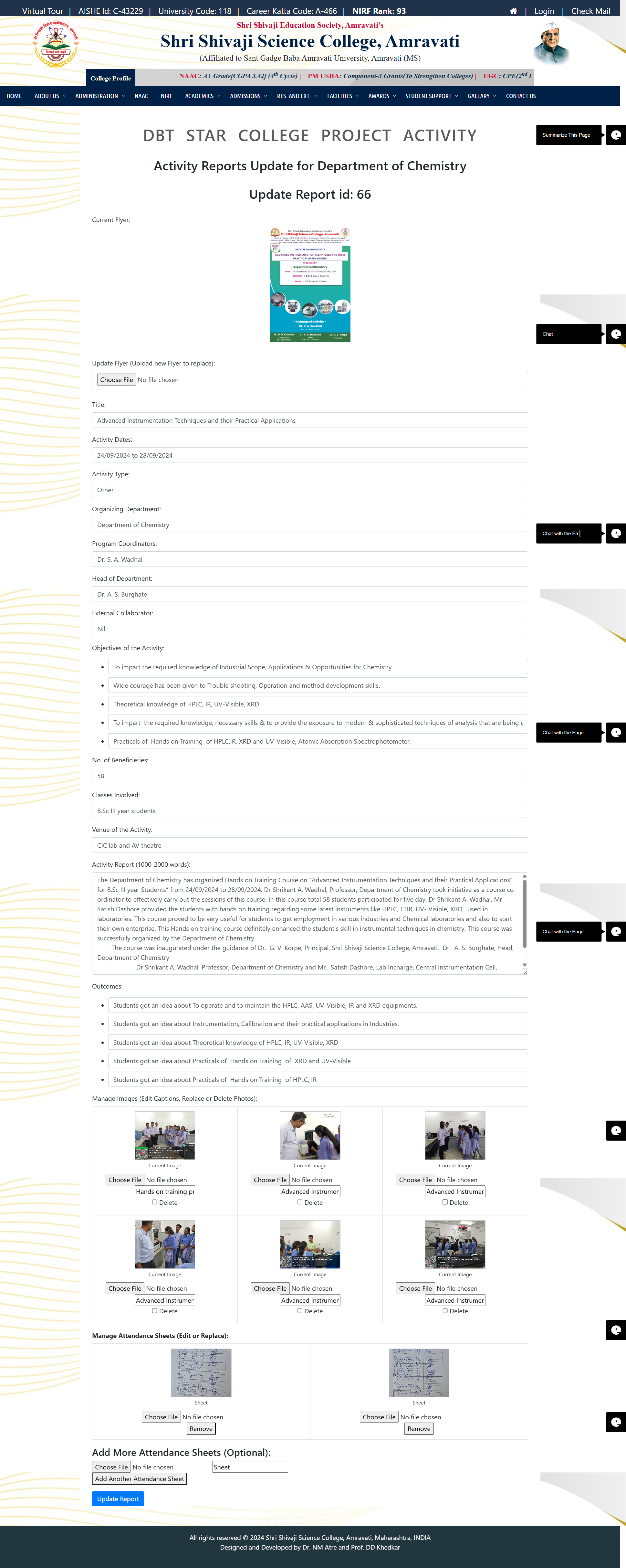
DBT Star College Project Activity Report Submission System is a digital platform developed for Shri Shivaji Science College, Amravati, to streamline the submission, organization, and monitoring of project activities under the DBT Star College Scheme. It enables departments to record academic, research, and extension activities efficiently while ensuring transparency, standardized reporting, and seamless coordination with DBT’s institutional review mechanisms.

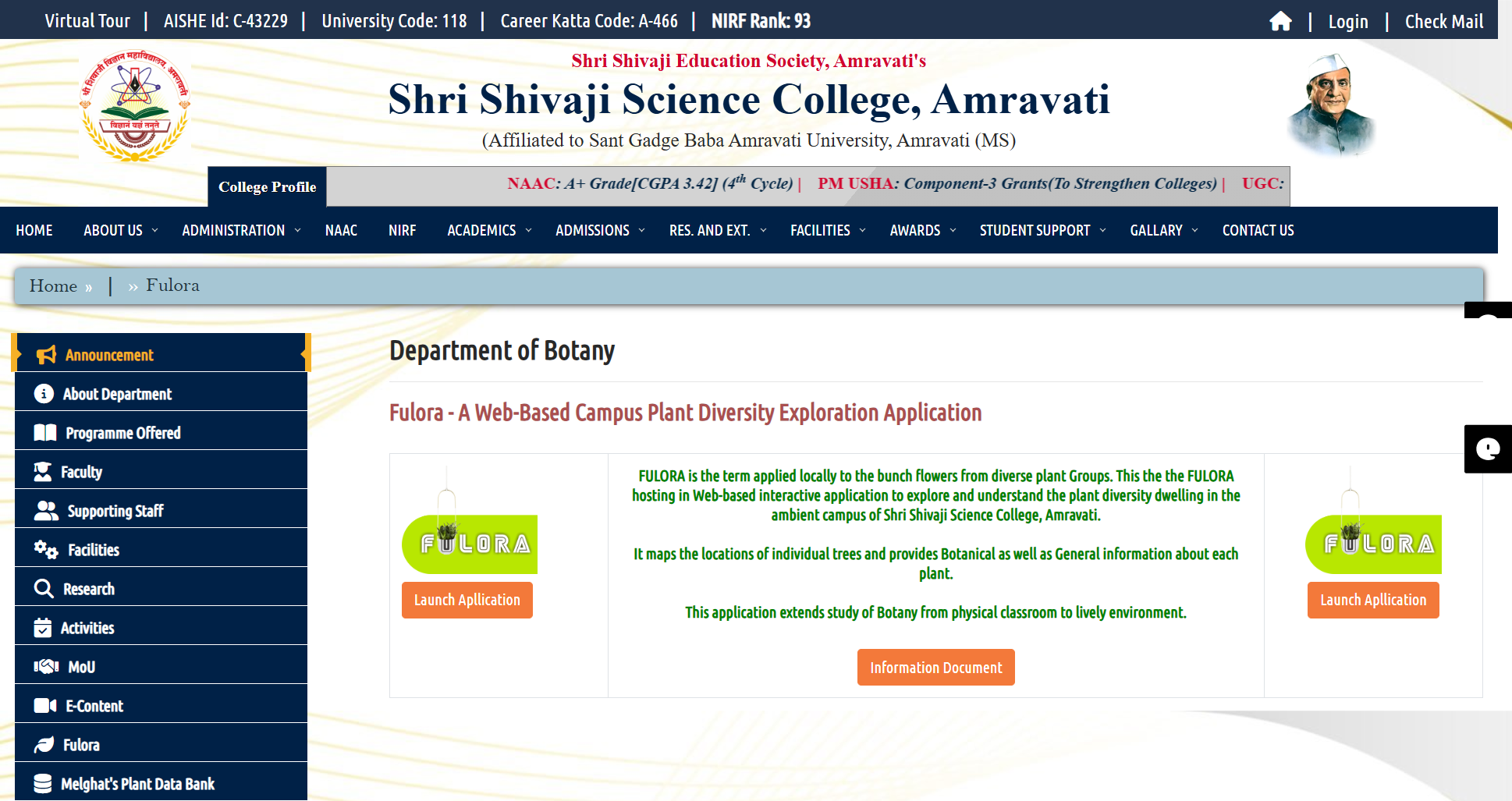
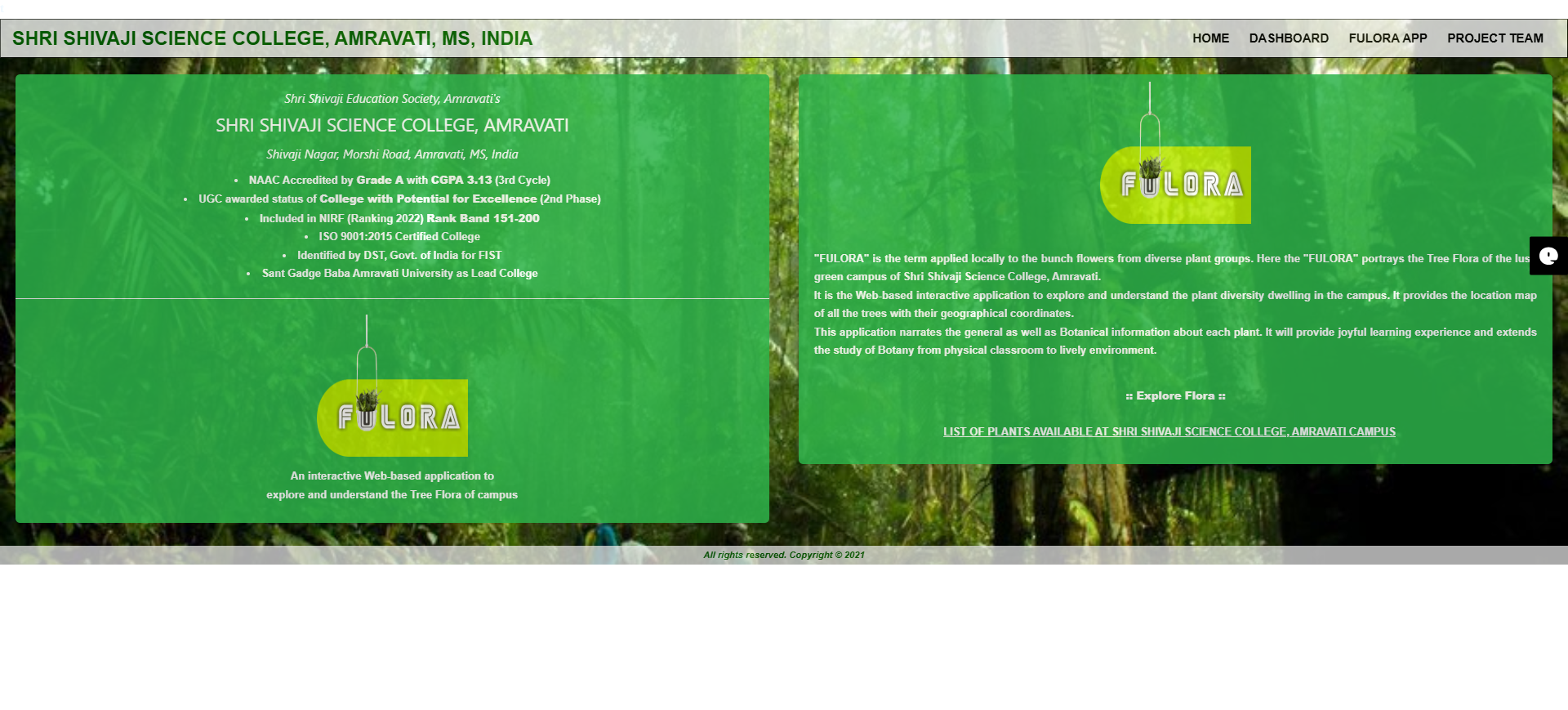
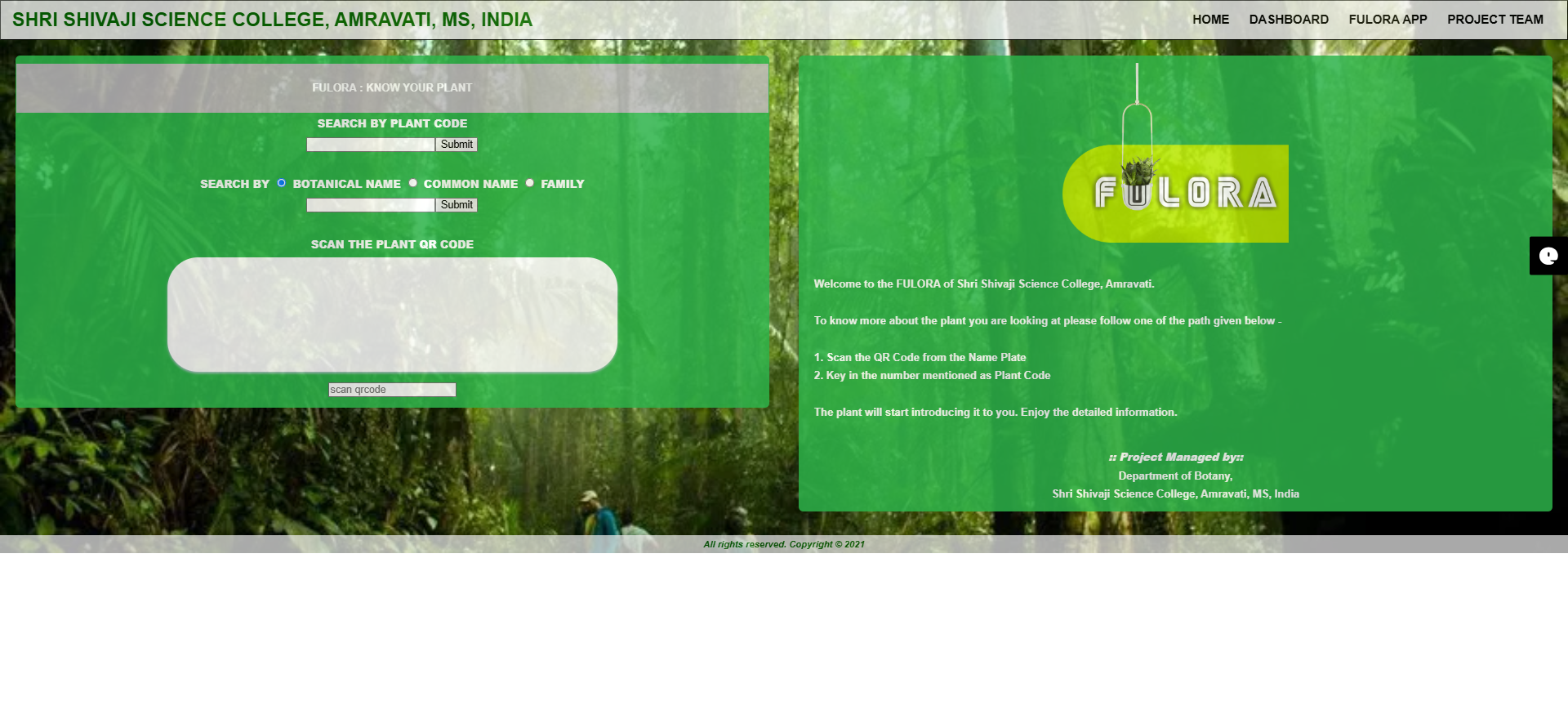
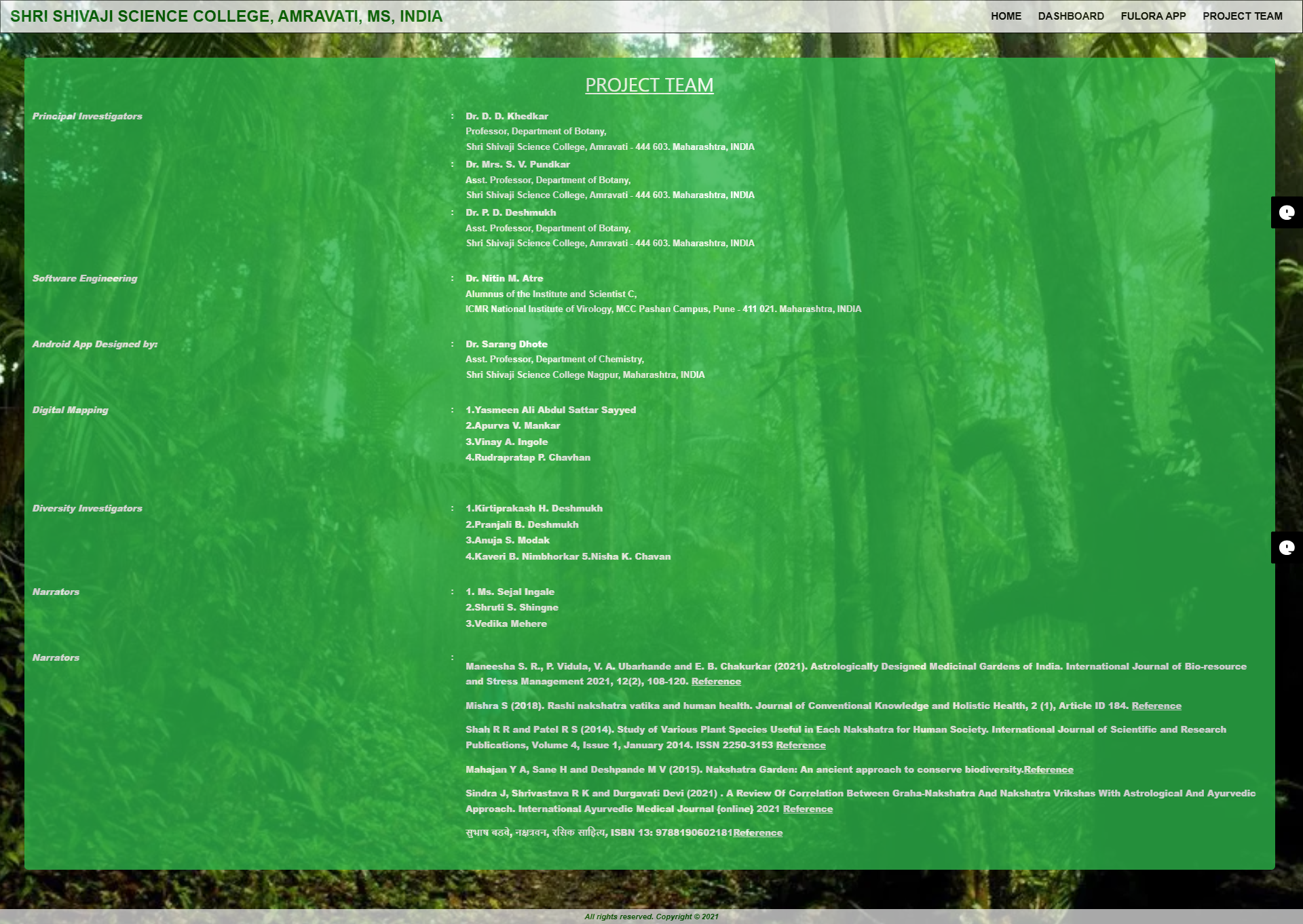
Fulora - A Web-Based Campus Plant Diversity Exploration Application is a web-based application developed for Shri Shivaji Science College, Amravati, aimed at documenting, exploring, and conserving campus plant diversity.
The platform provides an interactive interface for identifying, cataloging, and visualizing plant species with key morphological details, photographs, and ecological information, fostering biodiversity awareness, experiential learning, and digital conservation practices within the campus ecosystem.
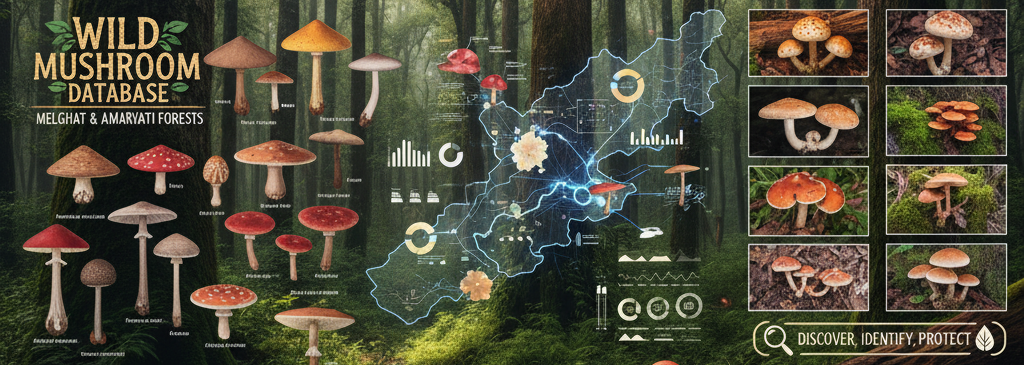
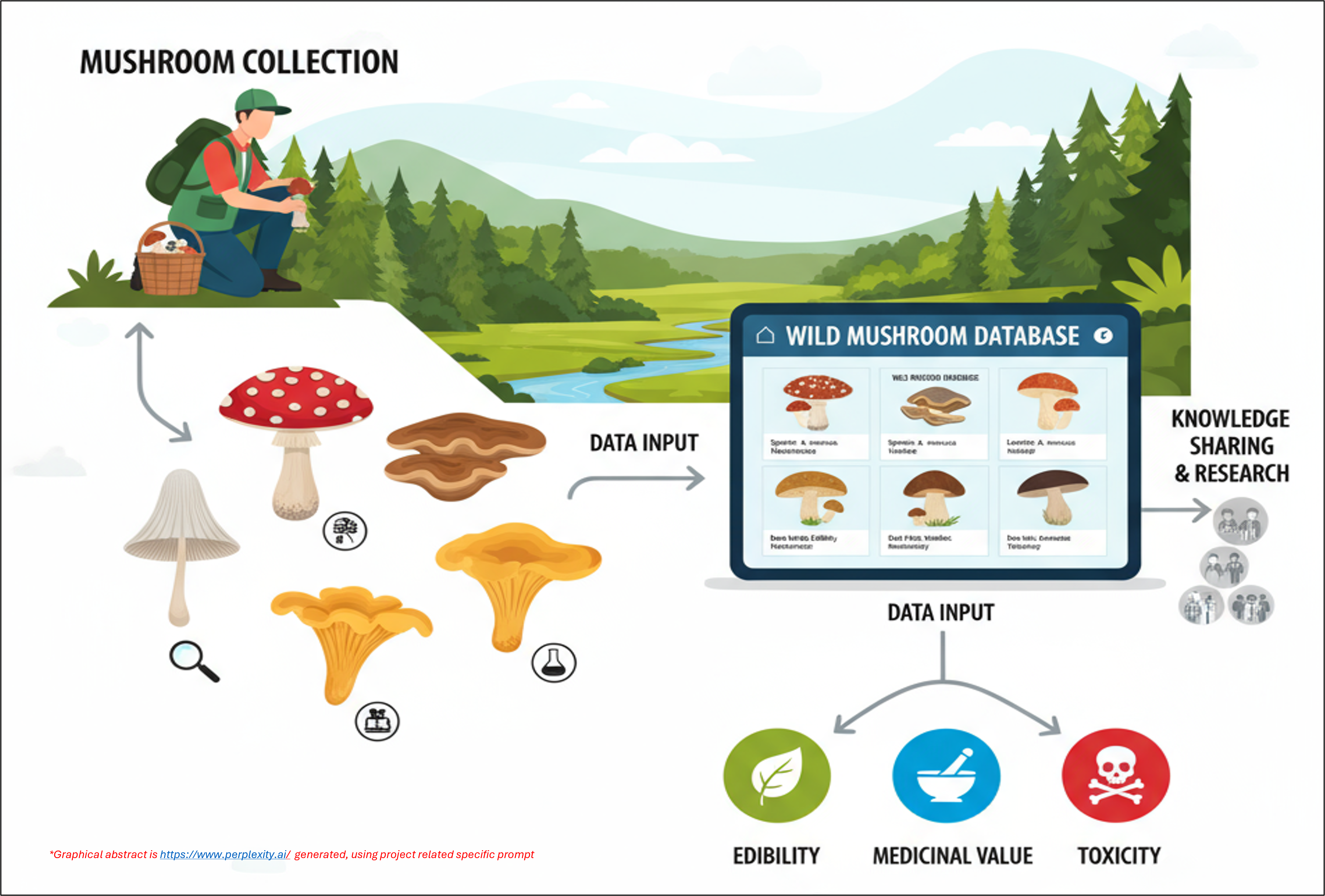
WMDB: Wild Mushroom Database Summary: Wild Mushroom Database is an interactive digital resource designed for comprehensive documentation and exploration of Melghat and Amravati district wild mushroom diversity.
The platform facilitates species identification, cataloging, and visualization with detailed morphological, ecological, and photographic records, supporting research, education, and conservation efforts in Melghat fungal biodiversity.
Cite this as: GB Hedawoo, HH Pilley, NM Atre and SR Nagmote; “Wild Mushroom Database: A repository for wild mushrooms from Melghat and Amravati region”, Journal of Science Information (2012), 3: 107 – 109
Note: This Wild Mushroom Database was developed in 2011-2012 under the Supervision of Dr Ganesh B. Hedawoo, Department of Botany, Shri Shivaji Science College, Amravati. Due to domain maintenance and other costs, for this database further updates are not available now.
- Mr Santosh Pal,
BCS In-silico Biology Lab,
Gomti Nagar, Lucknow – 226 010, Uttar Pradesh, India

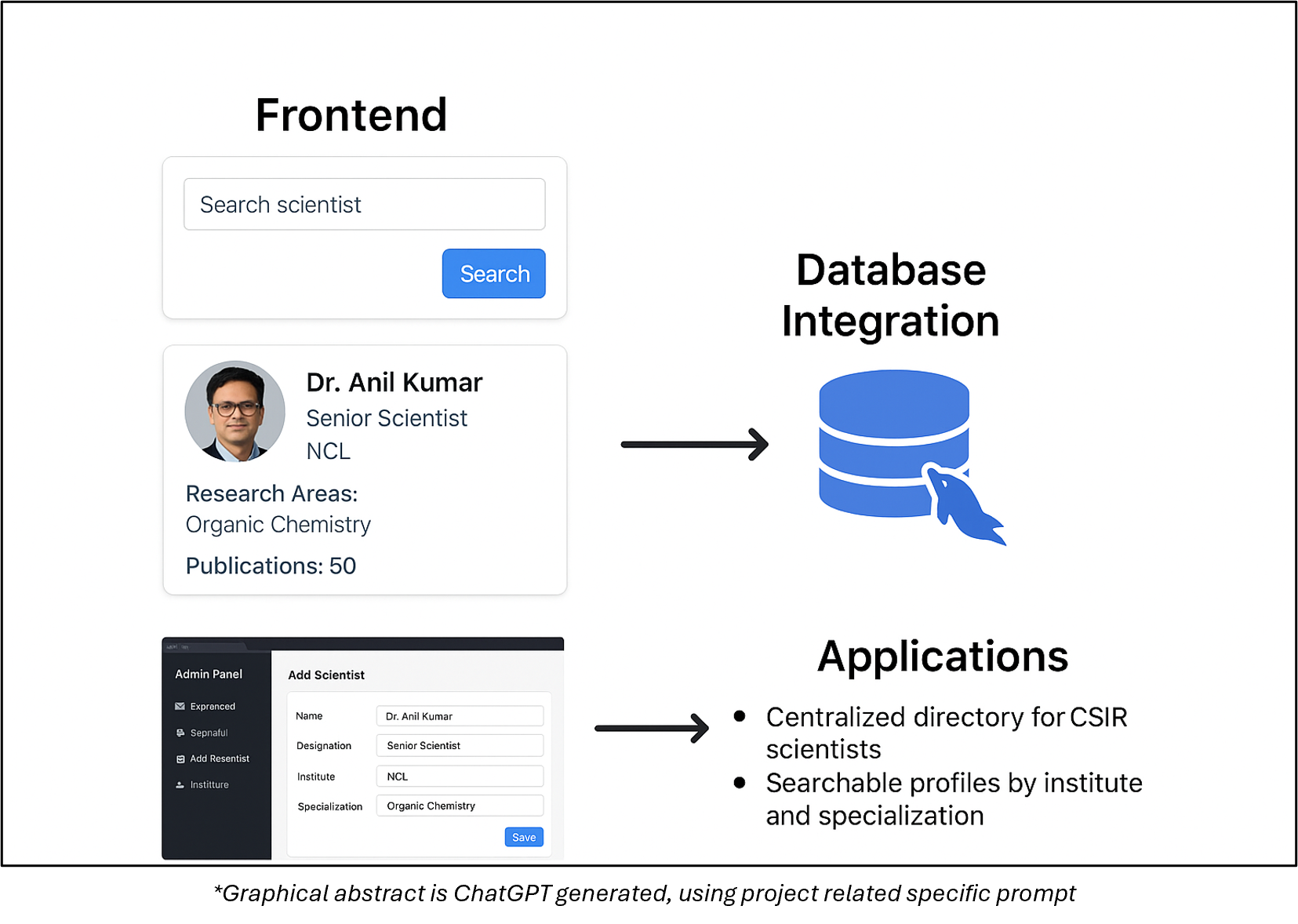
Indian Scientist Database Summary: The "Indian Scientist Database" project is a web-based system designed to catalog all permanent scientists across every CSIR (Council of Scientific & Industrial Research) institute in India.
It is developed using HTML, CSS, JavaScript, MySQL, and PHP to ensure a robust, secure, and user-friendly platform for research, visibility, and collaboration among India’s top scientific talent.
The portal aims to improve national scientific networking, facilitate expert identification, and support research governance.
Note: This database was developed in 2008-2009 at BCS In-silico Biology Lab, Lucknow under Late Mr Santosh Pal. Further updates are not available now.

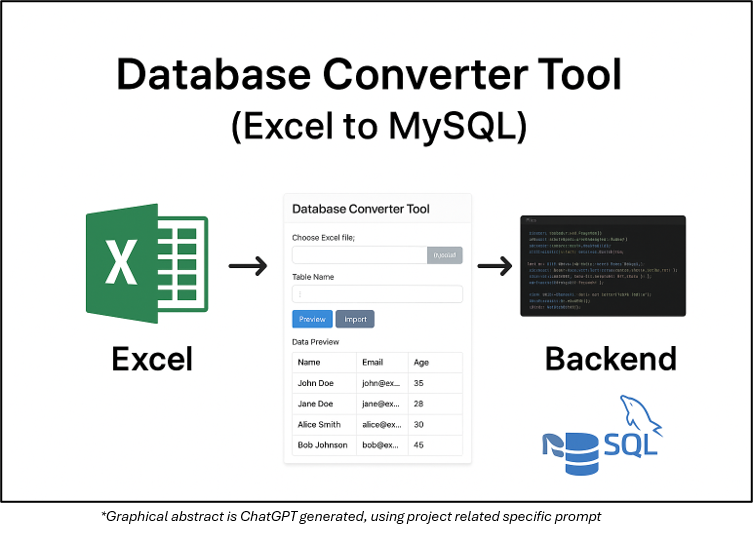
Microsoft Excel to MySQL Database Converter Tool Summary: The Database Converter Tool (Excel to MySQL) is a web-based application designed to simplify the process of converting Excel spreadsheets into MySQL database tables. It enables users to upload .xls or .xlsx files and automatically transform the data into structured database records without manual SQL entry. The tool provides an intuitive user interface for data preview, column mapping, and table creation, making it especially useful for data analysts, developers, and researchers handling large datasets.
Note: This tool was developed in 2008-2009 at BCS In-silico Biology Lab, Lucknow under Late Mr Santosh Pal. Further updates are not available now.
- Mr Nirmal Prasad K,
Plasmazen Labs,
Hyderabad – 500 001, Andhra Pradesh, India

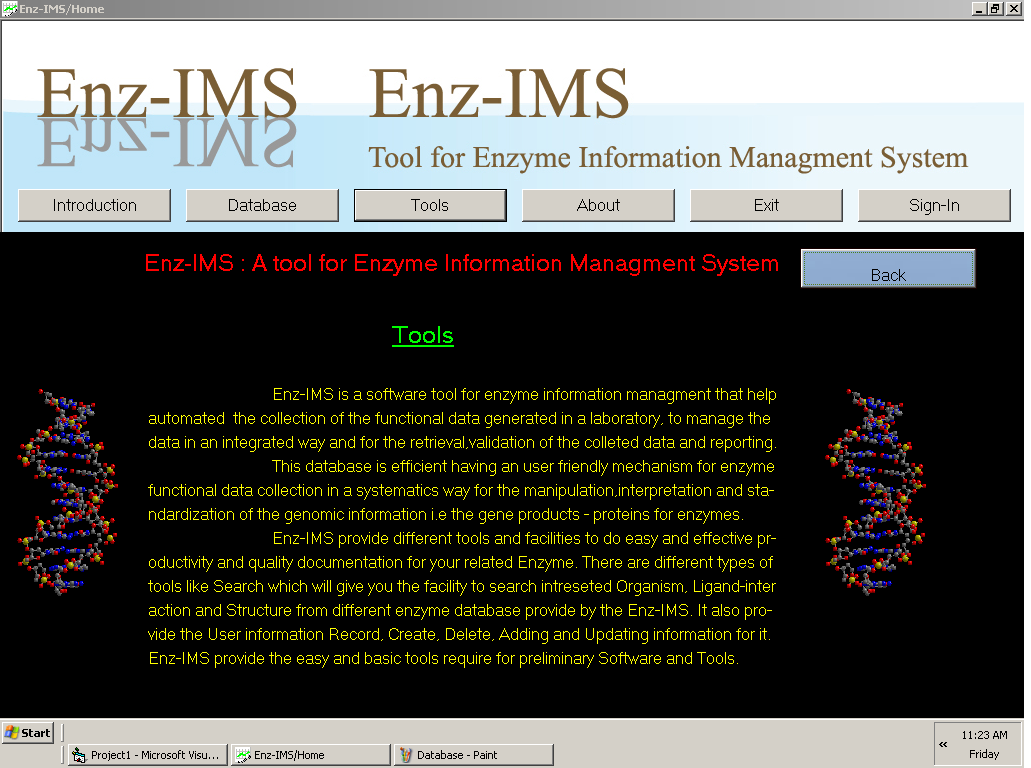
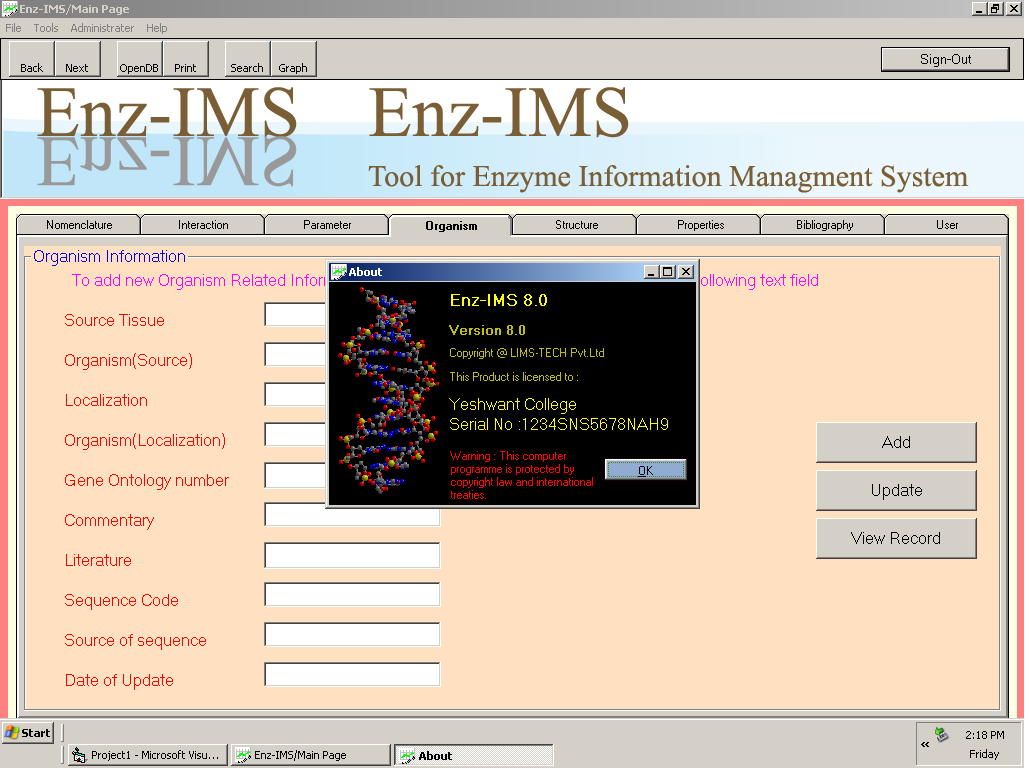
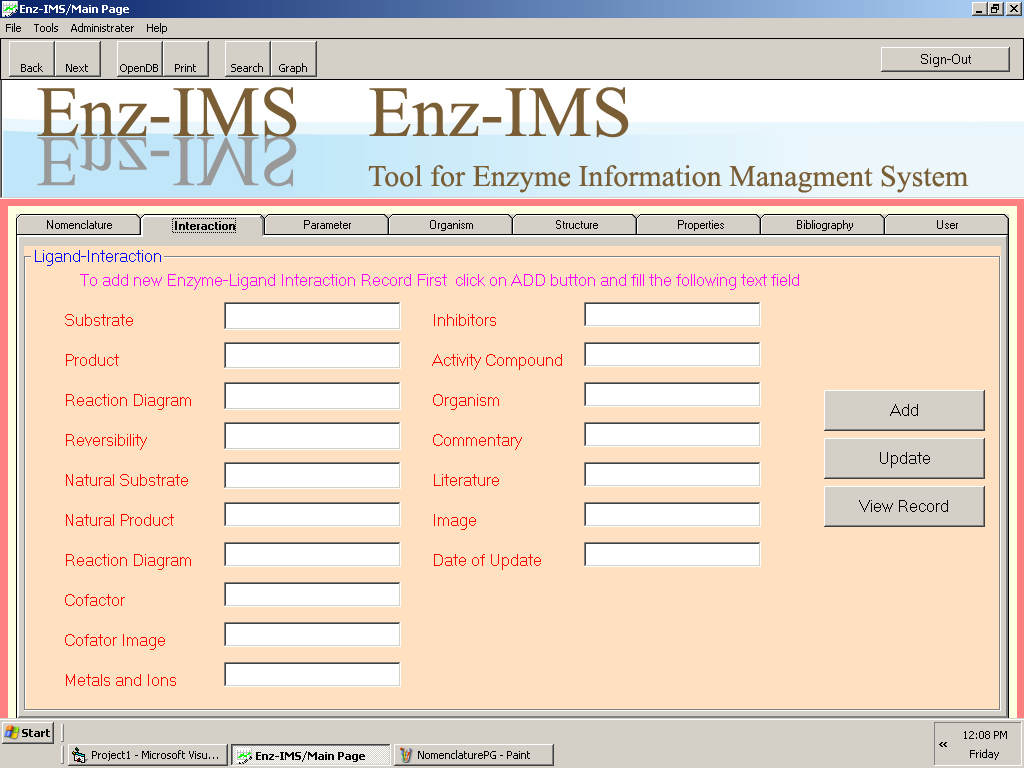
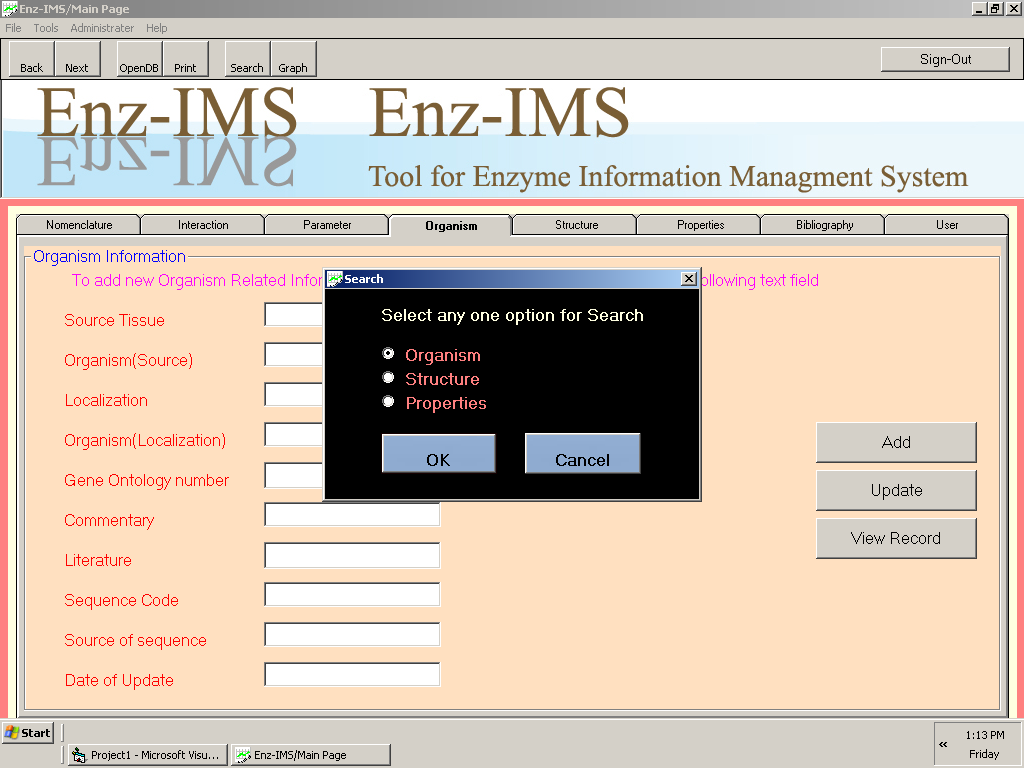
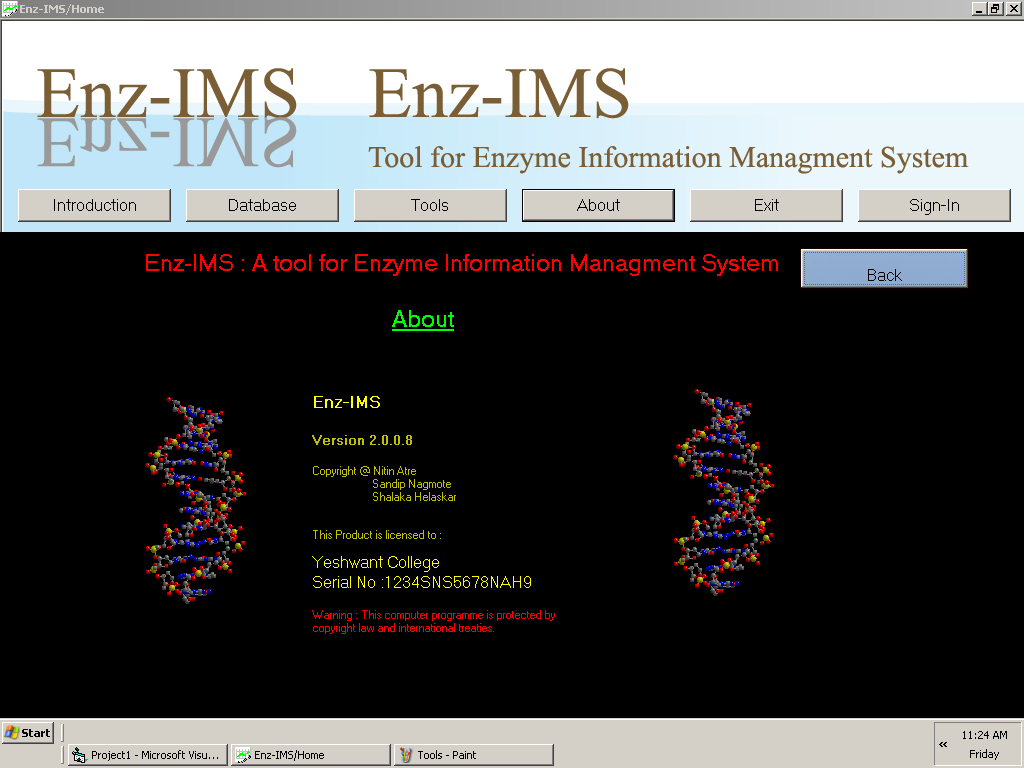
M.Sc. (Bioinformatics) Dissertation Summary: Enz-IMS (Enzyme Information Management System), is a software platform designed as a modular, user-friendly platform, integrating data collection, storage, validation, retrieval, and reporting functionalities.
Poster Presented in the Conference as: Nitin Atre and Sandip Nagmote, “Enz-IMS: Enzyme Information Management System”; National Seminars on “BIOTECH 2010: Trends in rDNA Technology”, 14-15 November 2010; Osmanabad, Maharashtra, India.
Under Communication:
-
Amira Sharief, Rahul Bodh, Lalit Kumar Sharma, Vineet Kumar, Amar Paul Singh, Nitin Motilal Atre, Bheem Dutt Joshi, Mukesh Thakur, Dhriti Banerjee. “Snakebite risk in India under Climate change: A national, population-weighted modelling study integrating venomous snake hazard and Healthcare accessibility”, The Lancet Planetary Health (2026).[IF: 20.5] (ISSN: 2542-5196)
-
Sumedha Kumar, Vinaya Kumar Singh, Nitin M. Atre, Joydip Nag, Bheem Dutt Joshi, Pallavi Bhatt, Sujeet Kumar Singh, J. A. Johnson, R. K. Negi, Lalit Kumar Sharma, S. P. Goyal. “Phylogeography and Post–Last Glacial Maximum Demographic Expansion of the Rosy Barb Pethia conchonius (Hamilton, 1822) Across South Asia”, Molecular Biology Reports (2026).[IF: 2.8] (ISSN: 1573-4978)
-
Nitin M. Atre, Ashokkumar J, Santosh Jadhav, Varsha Potdar, Sarah Cherian, Pratip Shil. “Genomic Surveillance and Evolutionary Insights into SARS-CoV-2 Strains from India: A Multi-Faceted Analysis (2020-2024)”, Public Health (2026).[IF: 3.2] (ISSN: 1476-5616)
Published:
e-book: Data-Driven Vaccine Design for Microbial-Associated Diseases, Frontiers in Immunology (2026); [Download]
-
Rohan Raj Roy, Nitali Tadkalkar, Gururaj Rao N Deshpande, Nitin M. Atre, Pratip Shil, Gajanan Nagoji Sapkal. “Identification of B-cell epitopes of Indian Zika virus strains using immunoinformatics”, Frontiers in Immunology (2025) 16:1534737.DOI: https://doi.org/10.3389/fimmu.2025.1534737 [PMID: 40083545] [PMCID: PMC11903408] [IF: 5.7] (ISSN: 1664-3224)
-
Deeksha S Tare, Shailesh D Pawar, Pratip Shil, and Nitin M Atre. “Structural and functional characterization of avian influenza H9N2 virus neuraminidase”, Archives of Biochemistry and Biophysics (2024) 110041.DOI: https://doi.org/10.1016/j.abb.2024.110041 [PMID: 38750923] [IF: 3.391] (ISSN: 1096-0384)
-
Nitin M Atre, Dinesh D Khedkar. “Herbal remedies for respiratory ailments from Melghat region: A review with relevance to COVID-19 symptoms”, Journal of Herbal Medicine (2023) 42: 100744.DOI: https://doi.org/10.1016/j.hermed.2023.100744 [IF: 2.3] (ISSN: 2210-8033)
-
Nitin M Atre, Purna N. Shrimali, Dinesh D Khedkar. “MPdb: Melghat Plant databank”, Bioinformation (2022) 18(12): 1119-1121.DOI: http://www.bioinformation.net/018/973206300181119.htm [PMID: 37701503] [PMCID: PMC10492909] [IF: 1.9] (ISSN: 0973-2063)
-
Nitin M Atre, Ritika Aggarwal, Dinesh D Khedkar. “Review on herbal remedies for dysentery and diarrhea from the Melghat region of Maharashtra state, India”, European Journal of Medicinal Plants (2022) 33(12): 48-72.DOI: https://doi.org/10.9734/ejmp/2022/v33i121113 (ISSN: 2231-0894)
-
Nitin M Atre and Dinesh D Khedkar. “Medicinal flora of Melghat for Bronchitis: A review”, Journal of Pharmacognosy and Phytochemistry (2022) 11(6):139-145.DOI: https://doi.org/10.22271/phyto.2023.v12.i1a.14542 (ISSN: 2278-4136)
-
Nitin M Atre, K. Alagarasu, Pratip Shil. “ArVirInd - a database of arboviral antigenic proteins from the Indian subcontinent”, PeerJ (2022) 10: e13851.DOI: https://doi.org/10.7717/peerj.13851 [PMID: 36299508] [PMCID: PMC9590419] [IF: 3.061] (ISSN: 2167-8359)
-
Pratip Shil, Nitin M Atre, Balasaheb V Tandale. “Epidemiological findings for the first and second waves of COVID-19 pandemic in Maharashtra, India”, Spatial and Spatio-temporal Epidemiology (2022) 41: 100507.DOI: https://doi.org/10.1016/j.sste.2022.100507 [PMID: 35691634] [PMCID: PMC8957319] [IF: 3.4] (ISSN: 1877-5845)
-
Daya V Pavitrakar, Nitin M Atre, Anuradha S Tripathy, Pratip Shil. “Cyclophilin A: A possible host modulator in Chandipura virus infection”, Archives of Virology (2021) 166: 3143–3150.DOI: https://doi.org/10.1007/s00705-021-05237-1 [PMID: 34533641] [PMCID: PMC8446474] [IF: 2.574] (ISSN: 0304-8608)
-
Ritika Aggarwal, Ritika Gera, Nikita Jain, Bableen Kaur, Arunima Murali, Minakshi Baruah, Anu Supriya, Nitin Atre, Dinesh Khedkar. “In silico prediction, characterization and molecular docking studies on Glutathione-stransferase as a molecular sieve for toxic agrochemicals explored in survey of North Indian farmers”, Heliyon (2021) 7(9): e07875.DOI: https://doi.org/10.1016/j.heliyon.2021.e07875 [PMID: 34504970] [PMCID: PMC8417331] [IF: 2.85] (ISSN: 2405-8440)
-
Pratip Shil, Nitin M Atre, Avinash A Patil, Balasaheb V Tandale, Priya Abraham. “District-wise estimation of Basic reproduction number (R0) for COVID-19 in India in the initial phase”, Spatial Information Research (2021) 30: 37–45.DOI: https://doi.org/10.1007/s41324-021-00412-7 [PMCID: PMC8286042] [IF: 2.96] (ISSN: 2366-3294)
-
Chowdhury Debojyoti, Chhatar Abhisekh, Nandan Suman, Swarupa Sanchari, Shaw Ranjit, Basu Seena, Atre Nitin, Khedkar Dinesh. “Peptides on a rescue mission against the hazardous cidal chemicals used in Eastern Indian Agriculture: An in-silico approach based on field survey in the year 2020”, Environmental Health Engineering And Management Journal (2021) 8(2): 107-122.DOI: https://doi.org/10.34172/EHEM.2021.14 [IF: 1.3] (ISSN: 2423-3765)
-
Nitin M Atre and Dinesh D Khedkar. “A Review on Herbal Remedies for Sexually Transmitted Infections (STIs) from Melghat Region of Maharashtra State, India”, European Journal of Medicinal Plants (2020) 31(14): 1-17.DOI: https://doi.org/10.9734/ejmp/2020/v31i1430313 (ISSN: 2231-0894)
-
Daya V Pavitrakar, Nitin M Atre, Anuradha S Tripathy, Pratip Shil. “Design of a multi-epitope peptide vaccine candidate against Chandipura virus: an immuno-informatics study”, Journal of Biomolecular Structure and Dynamics (2020) 40(2): 648-659.DOI: https://doi.org/10.1080/07391102.2020.1816493 [PMID: 32897148] [IF: 3.220] (ISSN: 0739-1102)
-
Pradeep Mahadev Sawant, Nitin Atre, Abhijeet Kulkarni, Varanasi Gopalkrishna. “Detection and molecular characterization of porcine enterovirus G15 and Teschovirus from India”, Pathogens and Disease (2020) 78(5): ftaa039.DOI: https://doi.org/10.1093/femspd/ftaa039 [PMID: 32691821] [IF: 3.3] (ISSN: 2049-632X)
-
Dinesh D Khedkar and Nitin M Atre. “Medicinal flora of Melghat for Asthma: A review”, Journal of Pharmacognosy and Phytochemistry (2019) 8(2): 2091-2095.(ISSN: 2278-4136)
-
GB Hedawoo, HH Pilley, NM Atre and SR Nagmote. “Wild Mushroom Database: A repository for wild mushrooms from Melghat and Amravati region”, Journal of Science Information (2012) 3: 107–109.(ISSN: 2229-5836)
-
Sandip R. Nagmote, Anuj Kharnal, Shoeb R. Patel, Nitin M Atre, Gauri S. Deshpande. “Mathematical modeling and simulation of the p53 and SMAR1 using their biochemical interactions”, J Comp. Intell. Bioinfo. (2011) 4(1) Special Issue: 139–149.(ISSN: 0973-385X)
-
Nitin M Atre, Harshada H Pilley, Sandip R Nagmote, Amena Khan, Vishal Changole and Guari S Deshpande. “Comparative Protein Structure Analysis of HXB2=viral protease from HIV-1 genome”, J Comp. Intell. Bioinfo. (2011) 4(1) Special Issue: 101–109.(ISSN: 0973-385X)
-
Harshada H Pilley and Nitin M Atre. “Homology Modelling based Protein Structure Prediction of Iron regulated Peptidyl-Prolyl cis-trans Isomerase A from Mycobacterium tuberculosis strains H37Rv”, J Comp. Intell. Bioinfo. (2011) 4(1) Special Issue: 79–86.(ISSN: 0973-385X)
-
Gauri S. Deshpande, Hatim F. Daginawala, Rajpal Singh Kashyap, Nitin M Atre, Sandip R. Nagmote, Ganesh B. Hedawoo. “Expression study of Mycobacterial Hsp70 protein in serum samples of pulmonary tuberculosis patients””, J Comp. Intell. Bioinfo. (2011) 4(1) Special Issue: 71–77.(ISSN: 0973-385X)
-
Online Certificate Course on "One Health" (12 week course) - SWAYAM platform
NPTEL and ICMR - National Institute of Health Research, Bhubaneswar (Exam Date: October 16, 2026)Certificate Course -
Google Agent Development Kit (ADK) Masterclass
Udemy (11 Feb 2026)Certificate Course -
The AI Generalist Accelerator Program
Outskill (27 Oct – 9 Nov 2025)Online Mastering Course conducted by Outskill -
Generative AI Mastermind
Outskill by Vaibhav Sisinty and Team (20–21 Sep 2025)Online Course conducted by Outskill -
Basic to Advanced Microsoft Power BI
Skill Nation by Jatan Shah and Team (2024–2025)Advance Masterclass (Online) conducted by Skill Nation -
Basic to Advanced Tableau
Skill Nation by Jatan Shah and Team (2024–2025)Advance Masterclass (Online) conducted by Skill Nation -
Basic to Advanced Microsoft PowerPoint
Skill Nation by Jatan Shah and Team (2024–2025)Advance Masterclass (Online) conducted by Skill Nation -
Basic to Advanced Microsoft Excel
Skill Nation by Jatan Shah and Team (2024–2025)Advance Masterclass (Online) conducted by Skill Nation -
Statistical Methods in Biomedical Research
ICMR – NIOH, Ahmedabad (1–3 Nov 2023)6th National Workshop conducted by ICMR-NIOH, Ahmedabad -
BRC Bioinformatics Workshop / Annotation Jamboree 2023
Bioinformatics Research Center, CSIR–IICB, Kolkata (16–20 Jan 2023)DBT Funded Workshop conducted by CSIR-IICB, Kolkata -
R for Omics Data Analysis
Savitribai Phule Pune University, Pune (21–23 Jul 2022)Workshop conducted by Microbiology Department, SPPU, Pune -
Molecular Taxonomy – DNA Barcodes
Online (2–6 May 2022)Five Days E-Workshop conducted by Biosrishti -
Plant Genomics and Bioinformatics – 2022
Online (19 Mar – 17 Apr 2022)One-month International Workshop conducted by DecodeLife -
Creating Dynamic Dashboards
Online (8–13 Feb 2022)5-Day Workshop conducted by Skill Nation -
Making Sense of Your Gene Expression Data with Cytoscape
Udemy (1 Jan 2022)Certificate Course -
Time Series Analysis in Python 2021
Udemy (11 Oct 2021)Certificate Course -
Bioinformatics Tools for COVID Research
Udemy (14 Sep 2021)Certificate Course -
Translational Sciences in Drug Discovery and Development
Department of Bioinformatics, Pondicherry University (25–27 Aug 2021)International Conference cum Workshop conducted by Pondicherry University -
COVID-19 Data Analysis and Forecasting
Finland Labs (12–13 Jun 2021)2 Days Instructor-Led Live Online Workshop conducted by Finland Labs -
International Bioinformatics Workshop for Cancer Biomarker Discovery
DeCodeLife (3–24 May 2021)Online Certificate Course conducted by DeCodeLife -
Deep Learning Using Medicinal Data
Finland Labs (3–7 May 2021)One Week Instructor-Led Live Training conducted by Finland Labs -
Introduction to GIS for Public Health
Udemy (20 Apr 2021)Online Certificate Course -
Build Image Recognition App
Udemy (14 Mar 2021)Online Certificate Course -
Immune Epitope Database (IEDB) and Analysis Resource
La Jolla Institute for Immunology, San Diego, USA (5–6 Nov 2020)Virtual User Workshop conducted by La Jolla Institute for Immunology, San Diego, USA -
Microsoft PowerBI Essentials: Build & Share a Dashboard for COVID-19
Udemy (14 Jul 2020)Online Certificate Course -
Learn Molecular Dynamics from Scratch
Udemy (2019)Online Certificate Course -
Phyto-compounds Isolation and Analysis by HPLC
School of Life Sciences, B.S. Abdur Rahman University, Chennai (1–19 Jun 2015)National Hands-on Workshop conducted by B.S. Abdur Rahman University, Chennai -
Analytical Instrumentation: FTIR, UV-vis, HPLC and GCMS
Ramnarain Ruia College, Mumbai (16–18 Jan 2014)Workshop Conducted by Dr. P. S. Ramanathan Advanced Instrumentation Centre -
Fundamentals of HPLC with LC Solution Workstation
SHIMADZU, CSC, Matunga, Mumbai (19–20 Dec 2013)Industrial Training cum Workshop conducted by SHIMADZU, CSC, Matunga, Mumbai -
Computational Approaches for Lead Optimization in Drug Discovery
Bioinformatics Center, Sri Venkateshwara College, New Delhi (22–23 Dec 2011)National Seminar cum Workshop conducted by Sri Venkateshwara College, New Delhi -
Drug Discovery Design and Planning Methods
ACS Bioinformatics, Biotech Park, Lucknow (9 Jun – 8 Jul 2008)Summer Training – Wet Lab (Plant Tissue Culture, Microbiology, Fermentation) Program conducted by ACS Bioinformatics, Biotech Park, Lucknow -
Advance Bioinformatics, Database Designing and PERL Programming
BCS-Insilico Biology, Lucknow (9 Jun – 8 Jul 2008)Summer Training Program conducted by BCS-Insilico Biology, Lucknow -
Enz-IMS: Tool for Enzyme Information Management System
Plasmazen Labs, Hyderabad (10 Dec 2007 – 10 Jan 2008)Industrial Training cum Project Work conducted by Plasmazen Labs, Hyderabad
-
Ph.D. (Botany)Sant Gadge Baba Amravati University (SGBAU), Amravati, Maharashtra (15/01/2015 to 11/09/2019)
PhD Thesis: Digitization and Bioprospecting medicinal plant knowledge from Melghat (MS) region using Biodiversity informatics -
M.Sc. (Bioinformatics)Swami Ramanand Teerth Marathwada University, Nanded, Maharashtra (2006-2008)
Master`s Dissertation: ENZ – IMS: Tool for Enzyme Information Management System -
B.Sc. (Biology – Chemistry, Botany, Zoology)Sant Gadge Baba Amravati University (SGBAU), Amravati, Maharashtra (2006)
-
H.S.C. (Science – Chemistry, Biology, Physics, Mathematics)Sant Gadge Maharaj Jr Science College, Murtizapur, Dist. Akola, Maharashtra (2002)
-
S.S.C. (General)Saint Anne`s High School, Murtizapur, Dist. Akola, Maharashtra (2000)
-
Primary SchoolSaint Anne`s Primary School, Murtizapur, Dist. Akola, Maharashtra (1993-1997)
-
Seniors KG and Primary SchoolFaiz E Aam School, Mathura, Uttar Pradesh (1990-1993)
-
Junior KGSant Gadge Maharaj English School, Murtizapur, Dist. Akola, Maharashtra (1988-1990)
-
BalwadiMurtizapur Nagar Parishad - Balwadi, Murtizapur, Dist. Akola, Maharashtra (1987-1988)
-
संस्कार SanskarParents, Family, Friends, Seniors, Teachers, Books, Students, Colleagues, Guides, Supervisors, Mentors and Universe (1984-continuous)
The Great Challenge of our age is to unite the Biological and the Digital — to understand the Living Planet through the Language of Data.
"You cannot Believe in God until You Believe in Yourself" - Swami Vivekananda
"Don't COMPARE Yourself with Other No One can Play Your Role BETTER than You" - Dr. A.P.J. Abdul Kalam (Who inspires me)
"You don't attract what you want, you attract what you are!" - Dr. Wayne Dyer
"With great power comes great responsibility" - Uncle Ben to Peter Parker (Spider-Man)
"Logic will get you from A to Z; Imagination will get you Everywhere" - Albert Einstein
"I don`t care that they stole my Idea. I care that they don`t have any of their own" - Nikola Tesla
"The only way to do Great Work is to Love What You Do. If you haven't Found it Yet, Keep Looking. Don't Settle." - Steve Jobs
तुम पैदा हुवे हो इस धरती पे कुछ करने के लिए, तो कुछ ऐसा करो के तुम्हारा नाम बने और ऐसा नाम बनाओ, के लोग तुम्हे याद रखे – Motilal Nageshyam Atre (My Father)
कर्मण्येवाधिकारस्ते मा फलेषु कदाचन। मा कर्मफलहेतुर्भूर्मा ते सङ्गोऽस्त्वकर्मणि॥ भगवद्गीता (अध्याय 2, श्लोक 47)